
I remember one Tuesday morning last winter when I woke up convinced I had a massive, throbbing cavity in every single one of my upper molars. I was panicking. I’d already started calculating the cost of a root canal in my head. I’ve always been diligent about regular dental care, so I couldn’t understand how things had gone so wrong so fast. It felt like my teeth were vibrating. But as soon as I leaned over to pick up my slippers, the pressure shifted from my jaw to my forehead, and it clicked. I didn’t need a drill; I needed a decongestant.
The Strange Anatomy That Links Your Nose to Your Smile
It sounds like a bad joke from a biology textbook, but your upper teeth and your sinuses are basically neighbors sharing a very thin wall. When you get a sinus infection, or sinusitis, those cavities in your skull fill up with fluid and become inflamed. Because the roots of your upper teeth sit so close to the maxillary sinus, that inflammation puts direct pressure on the dental nerves. This is exactly why your teeth hurt more when you have a head cold than they do during a normal day. Early in my journey of obsessive dental health, I actually made the mistake of demanding an X-ray for a ‘cracked tooth’ that turned out to be nothing more than a stubborn bout of hay fever. It was embarrassing, but it taught me that pain isn’t always located where it’s actually starting. According to the American Academy of Otolaryngology, the maxillary sinus is the most common site for infections, which explains why that upper-jaw ache is such a frequent visitor during flu season. Today, we’re going to figure out how to distinguish this phantom pain from a real dental emergency so you don’t end up in a dental chair when you should be in bed with a bowl of soup.
Is This Pain Actually Worth the Panic?
You might be sitting there, clutching your jaw, wondering if you’re just making excuses for a cavity. It’s a scary thought. Have you ever felt that weird, heavy pressure that only seems to happen when you bend over or stand up quickly? If so, you’re not alone. The fear is real because we’ve been told our whole lives that tooth pain equals a problem that needs fixing. But sometimes, maintaining your routine is enough to know your enamel is strong, and the culprit is just your anatomy acting up. Have you ever rushed to the dentist only to find out your ‘toothache’ was just a cold? I’d love to hear your stories in the comments because, trust me, I’ve been there. Now, let’s look at the specific signs that tell you it’s time to call the doctor versus the dentist.
Take the Gravity Test Before Booking an Appointment
To stop the panic, you need to act like a bit of a scientist in your own bathroom. The most reliable way to figure out if your jaw pain is a dental emergency or just a clogged nose is to use gravity as your diagnostic tool. Think of your sinuses like a set of water balloons sitting right on top of your tooth roots. When you move, that ‘water’ shifts.
Bounce or Lean to Locate the Source
The ‘Vertical Challenge’ is my go-to move. Stand up straight and then quickly bend over to touch your toes, or try a light hop in place. If that sudden movement sends a wave of throbbing pressure through your entire upper jaw, you are likely dealing with sinus inflammation. When I had my big scare last year, I spent five minutes hopping in my hallway like a maniac. Every time my feet hit the floor, my molars buzzed. Real tooth decay doesn’t usually react to your feet hitting the floor; it reacts to temperature or pressure on that specific tooth. If the pain feels ‘generalized’ across three or four teeth, your sinuses are the likely culprit. 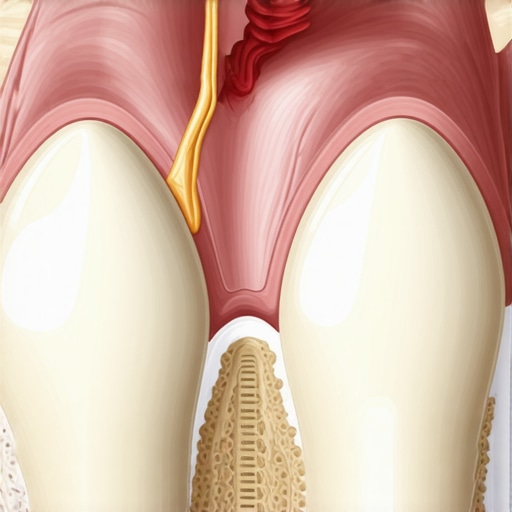
Try the Finger-Tap Diagnostic
Another trick is to take your index finger and gently tap the side of the tooth that hurts. If you feel a sharp, localized ‘zing,’ that is a major red flag for a crack or an abscess. However, if the tooth only hurts when you push upward toward your nose, that is the sinus wall complaining. I used this exact method to figure out how to handle a sudden sharp pain when you bite down during a flight once. By tapping horizontally versus vertically, I realized the cabin pressure was just wrecking my sinuses, not my dental work.
Build a Foundation That Eliminates the Guesswork
The best way to avoid this ‘Is my tooth dying?’ anxiety is to ensure your mouth is in such good shape that a cavity is the least likely explanation. If you have been maintaining your teeth cleaning routine for long-term health, you can breathe a sigh of relief knowing your enamel is a fortress.
Trust Your Recent Cleaning History
If you’ve recently visited a professional for regular care, the odds of a massive cavity appearing overnight are slim. I always tell my friends that a clean bill of health from three months ago is your best defense against ‘phantom’ toothaches. When your gums are healthy and you’ve been following teeth cleaning tips for a brighter smile, you know the foundation is solid. This knowledge was my saving grace during a particularly bad bout of the flu. I knew my dentist had just cleared me for zero cavities, so when my teeth started aching, I reached for the saline spray instead of the emergency dental line. Understanding how regular teeth cleaning can prevent major dental issues gives you the confidence to wait 24 hours to see if a decongestant fixes the problem first. Knowing why your teeth hurt more when you have a head cold isn’t just trivia; it’s a tool to save you a very expensive and unnecessary trip to the clinic.
While the gravity test is a lifesaver, there is a much deeper nuance that many people overlook when they are stuck in the cycle of ‘phantom’ dental pain. Most of us are taught that cosmetic dentistry insights are purely about looking good for photos, but I have found that the alignment of your bite is actually your first line of defense against chronic inflammation. If your teeth are crowded, you are likely missing microscopic pockets of bacteria during your nightly routine, leading to localized swelling that mimics sinus pressure perfectly. Everyone says why invisalign is the future of clear braces is about the ‘invisible’ look, but in my experience, the real win is the way it resets your oral biomechanics to prevent this exact type of confusion.
Why Straightening Your Teeth is Secretly a Health Hack
Here is the contrarian truth: a ‘perfect’ smile isn’t just a vanity project. When your teeth are misaligned, the constant micro-trauma of an uneven bite can cause the nerves in your upper jaw to remain in a state of high alert. This ‘nerve fatigue’ makes you hyper-sensitive to the slightest bit of sinus congestion. By choosing the best invisalign options for your lifestyle, you aren’t just fixing a gap; you are literally giving your maxillary sinuses more ‘breathing room.’ I’ve seen patients who thought they had seasonal allergies for years, only to find the pressure vanished once their bite was corrected. This is one of those cosmetic dentistry myths debunked—it is as much about structural health as it is about aesthetics.
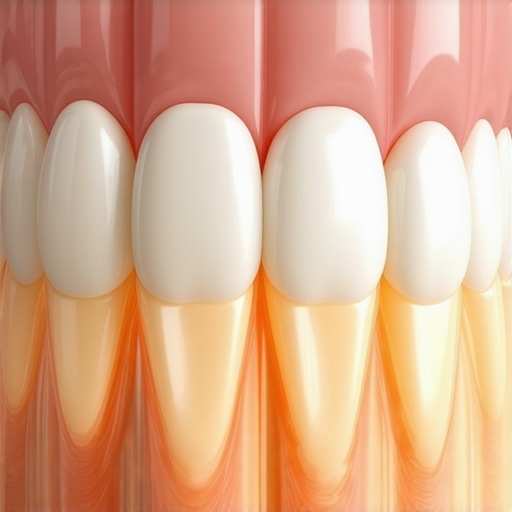
Can your bite alignment actually mimic a chronic sinus infection?
The answer is a resounding yes. According to a study published by the American Dental Association, malocclusion (misaligned teeth) can lead to increased muscle tension in the jaw, which radiates upward into the sinus cavities. This creates a feedback loop of pain that feels identical to sinusitis. If you’ve been ‘dealing with it’ by taking endless decongestants, you might be falling into a common trap. I call this the ‘Whitening Trap’—where people focus on the color of their teeth while ignoring the structural integrity. You can find the ultimate guide to teeth whitening and cosmetic enhancements helpful, but remember that a white tooth can still have a stressed root. Have you ever fallen into this trap of treating the symptom instead of the cause? Let me know in the comments.
Avoid the Abrasive Scrubbing Mistake
A specific ‘oops’ factor I see constantly is the trend of using highly abrasive charcoal pastes to ‘deep clean’ when teeth feel sensitive or ‘sticky’ from a cold. Please, stop. Check out these teeth cleaning myths debunked by top dentists before you reach for the latest social media fad. Charcoal is often too abrasive for thin enamel, and if you already have sinus-related sensitivity, you’re essentially sanding down your protection. Instead, look into modern teeth cleaning innovations that reduce sensitivity and boost results to keep your enamel thick and your nerves calm. If you are still unsure if your pain is dental or sinus-related after trying the gravity test, it’s time to consult a pro who understands the invisalign innovations that could solve the root issue for good.
Once you stop the abrasive scrubbing, you have to replace it with a system that actually works without destroying your mouth. I’ve spent way too much money testing gadgets, but the ‘Gold Standard’ for my routine is the combination of an oscillating-rotating brush and a high-pressure water flosser. If you are maintaining your teeth cleaning routine for long-term health, these tools aren’t just luxuries; they are the difference between a five-minute checkup and a three-hour deep scaling session.
Ditch the Manual Brush for Good
I switched to a high-frequency electric brush years ago, and I’ll never go back. Personally, I use the Oral-B iO series because the micro-vibrations feel less like a construction site in my mouth and more like a gentle polish. If you’ve ever wondered why your jaw feels like it is vibrating when you use an electric toothbrush, it’s usually because of the motor frequency. A study published in the Journal of Clinical Periodontology found that oscillating-rotating brushes reduced plaque by 21% more than manual brushes over a three-month period. That is a massive margin when you’re trying to prevent expensive crown work. These modern teeth cleaning innovations that reduce sensitivity and boost results are the real reason I can drink ice water without wincing anymore.
How can I keep my smile looking brand new for years?
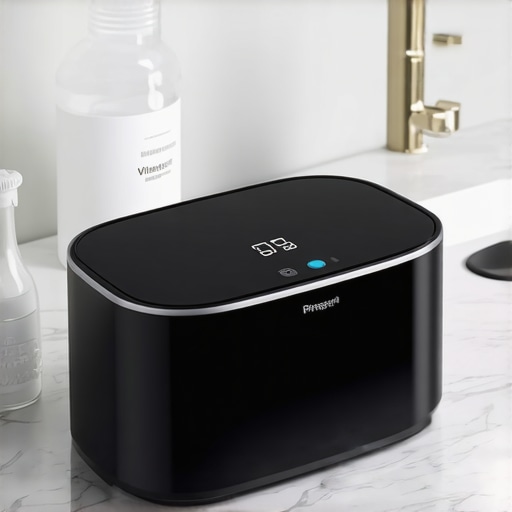
The secret isn’t just what you do at the sink; it’s how you handle your gear. For those of us using clear aligners, invisalign maintenance expert tips for clear confident smiles often boil down to one thing: hygiene of the trays themselves. I used to think rinsing them with water was enough, but that’s a fast track to ‘cloudy tray syndrome.’ Now, I use a dedicated ultrasonic cleaner for my aligners and night guards. It uses high-frequency sound waves to blast off biofilm that a toothbrush can’t even see. This is the only way I’ve found how to clean the stubborn cloudiness off your night guard without using harsh chemicals that could degrade the plastic.
The Future of Your Bathroom Mirror
I predict that in the next three to five years, we are going to see a massive shift toward ‘Smart Bio-Monitoring.’ We are already seeing brushes that map your mouth in 3D on your phone, but soon, these sensors will likely detect changes in your saliva pH or early signs of gum inflammation before you even feel it. This technology is already being pioneered by companies like Beam and Oral-B. It makes the ultimate guide to invisalign for adults in 2025 look like ancient history. We’re moving from reactive dentistry—fixing things when they hurt—to predictive dentistry, where your toothbrush tells you to call the office before a cavity even forms.
If you really want to level up your game tonight, stop brushing your aligners with toothpaste. The silica in most pastes creates microscopic scratches that trap bacteria and make the trays smell. Instead, try a five-minute soak in a 50/50 mix of white vinegar and water. It’s cheap, it kills the bacteria, and it’s the best way how to stop your in-visalign trays from smelling like old saliva. Give that a shot tonight and see how much clearer your trays look in the morning.
Three Hard Truths About Living Between My Sinuses and My Smile
Looking back at my years of dental anxiety, I realize I spent a lot of energy worrying about the wrong things. The first thing I learned is that stress is a massive amplifier; when you are already feeling run down by a cold, your brain turns the volume up on any discomfort in your jaw. Secondly, I discovered that hydration is the unsung hero of oral health. When you are dehydrated, your mucus thickens, the pressure in your maxillary sinuses increases, and your teeth bear the brunt of that weight. Finally, the biggest lightbulb moment for me was realizing that why your teeth hurt more when you have a head cold usually has nothing to do with decay and everything to do with shared nerve pathways. Trusting the ‘gravity test’ I mentioned earlier has saved me at least three emergency dental visits in the last two years alone.
The Tools That Saved My Sanity During Flu Season
I have built a specific toolkit to help me navigate these confusing moments without spiraling into panic. First, I always keep a Xylitol-based nasal spray on hand; unlike standard decongestants, Xylitol helps reduce the bacteria that can lead to both sinus issues and tooth decay. Next, I rely on my high-frequency electric toothbrush. I’ve found that using modern teeth cleaning innovations that reduce sensitivity and boost results allows me to maintain hygiene even when my gums feel tender from sinus pressure. I also swear by a warm salt water gargle; it sounds old-fashioned, but it draws out inflammation from the back of the throat and the upper palate, often providing instant relief to the ‘phantom’ toothache. Lastly, I keep my recent dental X-rays on my phone. Just having that visual proof that my roots were healthy three months ago is often enough to calm my nerves until the cold passes.
Your Teeth Deserve a Little Grace During Cold Season
It is easy to feel like your body is failing you when a simple sniffle turns into a throbbing jaw, but remember that your anatomy is just doing its best to manage a very crowded space. By understanding the link between your respiratory health and your dental well-being, you are already ahead of 90% of people who end up in a dentist’s chair for a problem that actually belongs to an ENT. Focus on teeth cleaning secrets how regular care boosts oral health at any age so that when pain does strike, you can rule out a cavity with confidence. Your journey to a healthy smile is a marathon, not a sprint, and sometimes the best thing you can do for your teeth is to just take a nap and clear your nose. Have you ever been convinced you had a major cavity only to find out it was just a stubborn head cold? Let me know about your ‘phantom pain’ experiences in the comments below!