
I still remember the exact moment it happened. It was a crisp October afternoon, and I’d just picked the perfect, oversized Honeycrisp apple from a local orchard. I opened my mouth for that first, satisfying crunch, and—thwack—my jaw simply seized up. It didn’t just click; it locked tight. There I was, standing in a field with an apple stuck against my teeth, unable to open or close my mouth further. It was one of those visceral, heart-pounding moments where you realize your body isn’t playing by the rules anymore. It was embarrassing and, frankly, quite painful.
That Terrifying Moment Your Jaw Decides to Quit
If you’re reading this, you’ve likely felt that same jolt of panic. Maybe it’s not every meal, but specifically when you go for that big sandwich or a healthy piece of fruit. You might think you’re alone, but according to the National Institute of Dental and Craniofacial Research, over 10 million Americans suffer from TMJ disorders. It’s more common than we realize, yet we often suffer in silence until an apple forces our hand. I’ve spent years navigating the world of cosmetic dentistry trends and regular maintenance, and I’ve learned that a locking jaw is usually a loud SOS from your temporomandibular joint.
My biggest mistake early on? I thought I could “fix” it by just forcing my mouth open wider whenever it felt stiff. Let me tell you right now: do not do that. I ended up with weeks of inflammation that even the best teeth cleaning innovations couldn’t soothe. Today, I’m going to walk you through exactly why your jaw treats an apple like an enemy and how we can get you back to eating without fear. Have you ever experienced that sudden, sharp “stop” in your jaw movement while trying to enjoy a snack?
Is this really something a dentist can fix?
It’s natural to be skeptical. We often think of the dentist as the person who handles cavities or helps with Invisalign transformations, not someone who deals with the “hinge” problems in the skull. But the truth is, your bite—how your teeth fit together—is the primary driver of jaw health. When I finally stopped trying to be my own doctor and started finding a dentist who gets your smile, everything changed. The reason your jaw clicks every time you take a large bite is often mechanical, involving a small disc that has slipped out of place.
We need to look at the mechanics. When you take a large bite, you aren’t just moving your jaw up and down; you’re asking a complex system of discs and ligaments to slide forward. If things are slightly misaligned—perhaps something as simple as bottom teeth crowding shifting your bite over time—that slide becomes a stumble. By the end of this guide, you’ll know the difference between a simple muscle cramp and a joint issue that needs professional eyes.
Think of Your Jaw Like a Finicky Kitchen Cabinet
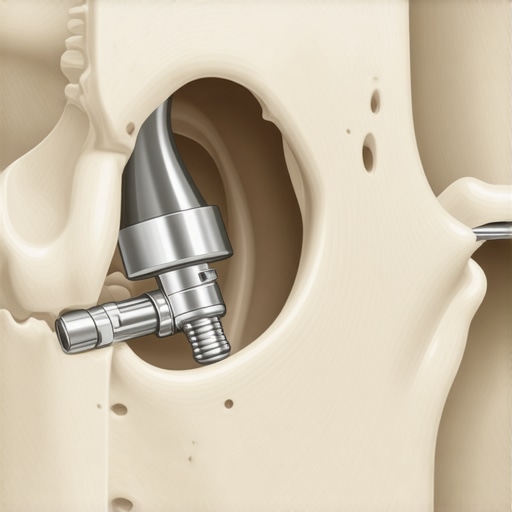
Imagine a kitchen drawer that catches every time you pull it out too fast. You can’t just yank it; you have to wiggle it, align it, and maybe sand down the edges. Your jaw operates on the same mechanical logic. The temporomandibular joint (TMJ) is a sliding hinge, and between the bones is a small, shock-absorbing disc. When that disc slips out of place, you get the ‘catch’ or the ‘lock’ I experienced with my Honeycrisp apple. It’s not just a muscle cramp; it’s a physical obstruction. I learned the hard way that when you how to handle a sudden sharp pain when you bite down, the worst thing you can do is apply brute force.
Stop the Manual Override Before You Do Damage
My first instinct during the ‘Apple Incident’ was to push my jaw sideways until I heard a loud pop. I thought I was fixing it, but I was actually bruising the delicate ligaments. If your jaw locks, the first step is absolute relaxation. Let your mouth hang slightly open, place a warm compress on the joint, and wait. Forcing the joint can lead to long-term inflammation that makes why your jaw feels tired after a long dental cleaning feel like a walk in the park. Once, I spent three days on a liquid-only diet because I tried to ‘self-adjust’ a click. It was a messy, painful lesson in patience.
Align Your Bite to Reduce the Hinge Load
If your teeth don’t meet correctly, your jaw has to work overtime to compensate. It’s like driving a car with a bad alignment; eventually, the tires (or in this case, your joints) wear out. This is where modern orthodontics come in. Many people find that correcting their bite with clear aligners solves the root cause of the clicking. When considering invisalign vs traditional braces which is smarter for your lifestyle, think about the long-term relief for your jaw, not just the aesthetics. A balanced bite means the disc is less likely to get pinched or displaced during a heavy meal.
The Role of Maintenance in Joint Health
You might wonder what a routine cleaning has to do with a locking jaw. Inflammation is systemic. If your gums are constantly fighting bacteria, the surrounding tissues—including those near your jaw joint—can become more sensitive and prone to swelling. Using modern teeth cleaning innovations that reduce sensitivity and boost results ensures that your mouth stays a low-inflammation zone. Furthermore, if your dentist discovers you’re grinding your teeth at night (a major TMJ trigger), they might suggest a night guard. Just remember that if you get one, you need to know how to clean your night guard without turning it yellow to keep your oral biome healthy and fresh.
Most people believe that cosmetic dentistry is purely a vanity project—something you do once you’ve ‘fixed’ the real problems. But that’s a dangerous misconception that can lead to long-term pain. In my experience, and as I’ve seen in various cosmetic dentistry myths debunked, the aesthetic and the functional are two sides of the same coin. If you ignore the mechanics of your bite while chasing a Hollywood smile, you’re essentially putting a fresh coat of paint on a crumbling foundation.
Stop treating cosmetic work like a luxury handbag
We often treat a new set of veneers or aligners like a designer accessory, but their primary job is to restore balance. A common contrarian view I hold is that ‘perfectly’ straight teeth can sometimes be worse for your jaw than slightly crooked ones if the occlusion—the way they meet—is forced. According to a study published by the American Academy of Cosmetic Dentistry (AACD), successful smile design must prioritize the ‘neutral zone,’ where the tongue, lips, and teeth all exist in harmony. If a dentist focuses only on the mirror and not the joint, you might end up with a beautiful smile that causes chronic migraines. Have you ever fallen into this trap? Let me know in the comments.
Why do my teeth feel more sensitive after a high-end professional cleaning?
This is a question I get often, and it points to a nuanced misunderstanding of hygiene. Many patients assume that if a cleaning hurts or leaves them sensitive, the hygienist was too rough. However, the reality is often the opposite. When you look into teeth cleaning myths debunked by top dentists, you realize that sensitivity often occurs because the ‘protective’ layer of tartar (calculus) has been removed, exposing the tooth to the environment for the first time in months. The trap here is skipping cleanings because of this temporary discomfort, which only allows the bacteria to burrow deeper toward the nerve.
Don’t fall for the ‘Any Dentist Will Do’ aligner trap
Another major ‘oops’ factor involves clear aligners. There’s a massive trend toward mail-order kits or choosing a provider based solely on price. But choosing a dentist for your Invisalign transformation is about more than just getting the plastic trays. It’s about the bio-mechanics of how your roots move through your jawbone. I’ve seen ‘fast’ treatments cause root resorption—where the body literally dissolves the tooth root because it’s being moved too aggressively. This is why reading Invisalign success stories is important, but you must look for stories that mention long-term stability, not just a six-month fix.
Ultimately, whether you are looking for teeth whitening and cosmetic enhancements or a total bite reconstruction, you have to respect the hinge. My ‘Apple Incident’ wasn’t just bad luck; it was the result of years of ignoring how my teeth were wearing down my joint. When you treat your mouth as a complete system, the beauty follows naturally—and more importantly, it stays functional. What’s one thing you wish you knew before you started your last dental treatment?
Once you’ve moved past the initial shock of a locking jaw, the conversation has to shift from emergency fixes to long-term sustainability. I’ve realized that keeping your smile functional isn’t about a single hero moment at the dentist; it’s about the boring, everyday gear that keeps the mechanics running smoothly. If you don’t have a strategy for maintaining your teeth cleaning routine for long-term health, you’re essentially just waiting for the next ‘Apple Incident’ to happen. For me, that meant investing in a high-quality water flosser and finally committing to a custom-molded night guard that actually fits my bite geometry.
The gear that actually keeps your smile in place
I used to think any drugstore mouthguard would work, but my dentist showed me a digital map of my bite using an iTero scanner. It was eye-opening. Seeing the high-pressure zones where I was grinding my teeth into oblivion changed my perspective on ‘protection.’ A longitudinal study in the Journal of Oral Rehabilitation highlights that consistent use of stabilization splints significantly reduces the frequency of jaw locking episodes by offloading the joint. This is why I now swear by professional-grade appliances over anything over-the-counter. When you’re dealing with teeth cleaning for sensitive teeth, you realize that preventing wear is much easier than repairing it later.
How do I maintain my alignment and joint health over time?
Maintenance is a three-pronged approach: hygiene, monitoring, and mechanical protection. First, you must stay on top of your Invisalign maintenance expert tips if you’ve gone the clear aligner route. Even if you finished your treatment years ago, your teeth have a memory and want to drift back. Second, don’t skip the deep cleanings. I’ve found that modern teeth cleaning innovations that reduce sensitivity and boost results make it much easier to stay consistent without the dread. Finally, treat your night guard like a piece of medical equipment—keep it clean and bring it to every checkup so your dentist can check for wear patterns that might signal a shift in your jaw health.
AI is about to change how we track our teeth
Looking ahead, I predict we are moving toward a world of ‘Proactive Dentistry.’ We’re already seeing the rise of remote monitoring apps that work with your smartphone to track tooth movement in real-time. This is why Invisalign is the future of clear braces; the data-driven approach allows for adjustments before a ‘click’ becomes a ‘lock.’ In the next five years, your toothbrush might even be able to alert you to early signs of gum inflammation or abnormal grinding patterns before you even feel the first twinge of pain. If you want to stay ahead of the curve, my advanced tip is this: ask your dentist for a baseline 3D scan of your mouth today. Having that digital ‘time capsule’ of your teeth and jaw position is the ultimate tool for tracking changes over the next decade. Go ahead and request a digital bite analysis at your next cleaning—it’s the best insurance policy your jaw can have.
Why My Quick Fix Cost Me Three Days of Soup
Looking back at my journey with TMJ and bite alignment, I’ve realized that the most “obvious” solutions are often the most damaging. Here are a few lightbulb moments I wish I had known years ago:
- The “Pop” is a Lie: Forcing your jaw to pop back into place provides a second of relief followed by hours of microscopic tissue damage. I learned that gentle, heat-based relaxation is far more effective than manual force.
- Alignment isn’t just for Selfies: While I started looking at cosmetic dentistry insights for a better look, I realized the real win was how much less my face ached at the end of the day.
- Professional Cleaning is Preventative Medicine: I used to think of my hygiene visits as a “polishing” session, but how regular teeth cleaning can prevent major dental issues became clear when my hygienist noticed the early wear patterns on my molars before I ever felt them.
The Toolset That Keeps My Jaw From Locking
If you’re serious about protecting your joints and your investment in your smile, these are the resources I trust completely:
- The Custom Night Guard: Don’t settle for “boil and bite” versions. A professional stabilization splint is the single best investment I made for joint longevity.
- The Digital Bite Map: Ask about iTero scans. Seeing your bite in 3D takes the guesswork out of why your jaw is clicking.
- A Specialized Provider: When choosing the right dentist for your best smile journey, prioritize those who talk about occlusion and jaw health as much as they talk about veneers.
Your Path to a Fearless Bite
It’s easy to feel like a locking jaw is just something you have to live with—a quirk of your anatomy. But you deserve to eat that apple, laugh without a click, and wake up without a headache. Whether you are exploring clear aligners or just need to get back on track with maintenance, the technology exists to help you. If you have questions about your specific situation, don’t hesitate to contact us to start your journey toward a functional, pain-free smile. Have you ever felt that sudden panic when your jaw catches while eating? Let me know in the comments.