
I still remember the cold sweat prickling my neck as I shuffled toward the metal detector at JFK. My mouth felt a little heavier than usual, thanks to a brand-new titanium post. I was certain that as soon as I stepped through that gray archway, sirens would blare, and I would be pulled aside for a very awkward explanation. It is a common fear—that our dental work will turn us into walking magnets for airport security. I even made the massive rookie mistake of trying to show a blurry photo of my dental X-ray to a very confused TSA agent before I had even reached the conveyor belt. He just blinked at me and told me to keep moving. Today, I am going to clear up the confusion so you can travel with total confidence and zero beep-related anxiety.
The TSA Panic Was Very Real for Me
Walking through that gray archway felt like a high-stakes gamble. But here is the truth: dental implants are almost always made of titanium or zirconia, which are non-ferromagnetic materials. This means they are not magnetic and generally will not trigger the sensitivity of modern airport scanners. According to the International Congress of Oral Implantologists, titanium is chosen specifically for its biocompatibility and its non-magnetic properties, making it highly unlikely to interfere with standard security protocols. I learned this the hard way by holding up a line of fifty people while I frantically explained my choice of dentist and the surgery I had just finished.
Will I Get Stuck in a Security Pat-Down?
The fear is real, but the outcome is almost always silent. If you have spent months wondering how to tell if your dental implant is finally fully healed, the last thing you want is a physical struggle at the terminal gate. In my experience, even the most sensitive machines ignore the small amount of metal in a single tooth. Have you ever felt that tiny bit of anxiety while waiting your turn in the security line? I would love to hear your stories! We are also going to look at other cosmetic dentistry myths debunked to ensure you are not worrying about things that simply do not matter. Actually, the only thing that might feel weird is the tapping sound when you click your teeth, but that is a local sensation, not something the TSA can pick up on. Let’s dive into exactly why these implants are designed to stay under the radar.
Skip the Security Explanation and Walk Through
Modern airport scanners use Millimeter Wave technology, which creates a 3D image of your body’s surface rather than hunting for every speck of metal hidden inside you. Think of it like a high-tech camera that only sees the envelope of your body. Because your implant is buried deep in your jawbone, it is essentially invisible to these machines. Even the older metal detectors are calibrated to ignore small items like wedding rings or dental work. If you are still worried, just remember that your titanium post is about as magnetic as a plastic spoon. 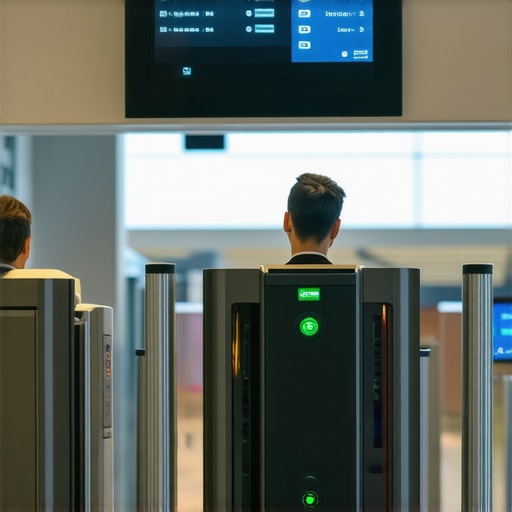
Titanium Stays Quiet Under Pressure
Most implants are made from medical-grade titanium or zirconia. These are not the types of metals that set off bells. I remember a trip to Tokyo where I was convinced my new crown would be the end of my vacation; I even practiced explaining my dental history to the customs officers. When I walked through the archway, nothing happened. Not a single beep. The truth is, security agents see hundreds of people with joint replacements and implants every day, and they are trained to look for much larger, denser objects. If you have been researching how to tell if your dental implant is finally fully healed, rest assured that once it is integrated, it is just part of your anatomy as far as the TSA is concerned.
Keep Your Smile Comfortable at 30,000 Feet
Air travel does strange things to the human body, and your mouth is no exception. Cabin pressure can occasionally cause a minor sensation in the sinus cavities, which sit right above your upper implants. You might notice the reason your new dental implant feels colder than your natural teeth when you inhale that crisp, thin airplane air. This is normal because metal and ceramic conduct temperature differently than living bone. Last summer, I was halfway across the Atlantic when I realized my implant felt slightly different. I panicked, thinking what to do if your dental implant feels cold when you breathe in was a sign of a looming disaster. It was simply the recycled air, but having a plan would have saved me hours of worry. Before you even head to the gate, ensure you have had a check-up. Understanding how regular teeth cleaning can prevent major dental issues is the best insurance policy for your smile before you leave the country.
The Emergency Kit Every Traveler Needs
Do not leave your oral health to chance when you are in a different time zone. I once lost my favorite interdental brush in a hotel sink in Rome and spent half a day trying to find a replacement. Now, I always pack a dedicated kit. You need to know the best way to store your toothbrush while traveling abroad to avoid bacteria buildup in your luggage. If you experience a flare-up, knowing how to manage a throbbing toothache on a long-haul flight can be the difference between a dream vacation and a nightmare. Keep over-the-counter pain relief and a small container of salt for warm water rinses in your carry-on. If you suddenly feel a sharp sensation while eating airline food, stay calm and learn how to handle a sudden sharp pain when you bite down until you can reach a professional.I still remember the cold sweat prickling my neck as I shuffled toward the metal detector at JFK. My mouth felt a little heavier than usual, thanks to a brand-new titanium post. I was certain that as soon as I stepped through that gray archway, sirens would blare, and I would be pulled aside for a very awkward explanation. It is a common fear—that our dental work will turn us into walking magnets for airport security. I even made the massive rookie mistake of trying to show a blurry photo of my dental X-ray to a very confused TSA agent before I had even reached the conveyor belt. He just blinked at me and told me to keep moving. Today, I am going to clear up the confusion so you can travel with total confidence and zero beep-related anxiety.
The TSA Panic Was Very Real for Me
Walking through that gray archway felt like a high-stakes gamble. But here is the truth: dental implants are almost always made of titanium or zirconia, which are non-ferromagnetic materials. This means they are not magnetic and generally will not trigger the sensitivity of modern airport scanners. According to the International Congress of Oral Implantologists, titanium is chosen specifically for its biocompatibility and its non-magnetic properties, making it highly unlikely to interfere with standard security protocols. I learned this the hard way by holding up a line of fifty people while I frantically explained my choice of dentist and the surgery I had just finished.
Will I Get Stuck in a Security Pat-Down?
The fear is real, but the outcome is almost always silent. If you have spent months wondering how to tell if your dental implant is finally fully healed, the last thing you want is a physical struggle at the terminal gate. In my experience, even the most sensitive machines ignore the small amount of metal in a single tooth. Have you ever felt that tiny bit of anxiety while waiting your turn in the security line? I would love to hear your stories! We are also going to look at other cosmetic dentistry myths debunked to ensure you are not worrying about things that simply do not matter. Actually, the only thing that might feel weird is the tapping sound when you click your teeth, but that is a local sensation, not something the TSA can pick up on. Let’s dive into exactly why these implants are designed to stay under the radar.
Skip the Security Explanation and Walk Through
Modern airport scanners use Millimeter Wave technology, which creates a 3D image of your body’s surface rather than hunting for every speck of metal hidden inside you. Think of it like a high-tech camera that only sees the envelope of your body. Because your implant is buried deep in your jawbone, it is essentially invisible to these machines. Even the older metal detectors are calibrated to ignore small items like wedding rings or dental work. If you are still worried, just remember that your titanium post is about as magnetic as a plastic spoon.
Titanium Stays Quiet Under Pressure
Most implants are made from medical-grade titanium or zirconia. These are not the types of metals that set off bells. I remember a trip to Tokyo where I was convinced my new crown would be the end of my vacation; I even practiced explaining my dental history to the customs officers. When I walked through the archway, nothing happened. Not a single beep. The truth is, security agents see hundreds of people with joint replacements and implants every day, and they are trained to look for much larger, denser objects. If you have been researching how to tell if your dental implant is finally fully healed, rest assured that once it is integrated, it is just part of your anatomy as far as the TSA is concerned.
Keep Your Smile Comfortable at 30,000 Feet
Air travel does strange things to the human body, and your mouth is no exception. Cabin pressure can occasionally cause a minor sensation in the sinus cavities, which sit right above your upper implants. You might notice the reason your new dental implant feels colder than your natural teeth when you inhale that crisp, thin airplane air. This is normal because metal and ceramic conduct temperature differently than living bone. Last summer, I was halfway across the Atlantic when I realized my implant felt slightly different. I panicked, thinking what to do if your dental implant feels cold when you breathe in was a sign of a looming disaster. It was simply the recycled air, but having a plan would have saved me hours of worry. Before you even head to the gate, ensure you have had a check-up. Understanding how regular teeth cleaning can prevent major dental issues is the best insurance policy for your smile before you leave the country.
The Emergency Kit Every Traveler Needs
Do not leave your oral health to chance when you are in a different time zone. I once lost my favorite interdental brush in a hotel sink in Rome and spent half a day trying to find a replacement. Now, I always pack a dedicated kit. You need to know the best way to store your toothbrush while traveling abroad to avoid bacteria buildup in your luggage. If you experience a flare-up, knowing how to manage a throbbing toothache on a long-haul flight can be the difference between a dream vacation and a nightmare. Keep over-the-counter pain relief and a small container of salt for warm water rinses in your carry-on. If you suddenly feel a sharp sensation while eating airline food, stay calm and learn how to handle a sudden sharp pain when you bite down until you can reach a professional. But the journey doesn’t end when you land. Let’s dig deeper into the nuances of maintaining that travel-ready smile. Stop treating your cosmetic work like a final destination. Most people think once the check is signed and the veneers are on, they can coast. In my experience, that’s exactly when the real maintenance begins. I have seen patients spend thousands on a “Hollywood smile” only to ignore the underlying biology. One of the biggest cosmetic dentistry myths debunked recently is the idea that artificial surfaces do not need the same level of care as natural bone. They actually need more, because the margins where the material meets your gum are prime real estate for bacteria.
Avoid the Enamel Transparency Trap
A common mistake I see—what I call the “Oops” factor—is the obsession with aggressive whitening. If you push the bleaching process too far, you hit a point of diminishing returns. You might start noticing the reason your front teeth look transparent at the very bottom is actually due to enamel thinning. It gives the teeth a grayish or blue tint rather than a bright white one. According to a study published in the Journal of Evidence-Based Dental Practice, aggressive whitening without professional oversight can lead to a significant decrease in microhardness of the enamel. Have you ever fallen into this “more is better” trap? Let me know in the comments.
Why Do Your Aligners Suddenly Feel Tighter After the Weekend?
It isn’t just your imagination. If you’ve been a bit lax with your wear-time while out to brunch, you might notice why your invisalign aligners feel tight every monday morning. Teeth have a “memory” due to the periodontal ligaments, and they will try to drift back to their old positions the moment pressure is removed. This micro-movement is why consistency is non-negotiable. It’s also why choosing the best invisalign options for your lifestyle is so important—you need a system that fits how you actually live, not how you wish you lived. 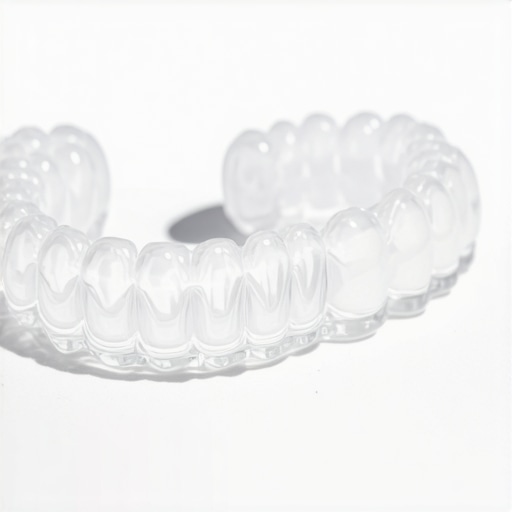
Cleanings Are Not a Luxury Add-on
Don’t ignore the importance of professional maintenance. I’ve heard people argue that dental cleanings are just a glorified tooth brushing. That is a dangerous misunderstanding. Modern hygiene is about managing the biofilm that a standard toothbrush cannot reach. There are modern teeth cleaning innovations that reduce sensitivity and boost results, such as guided biofilm therapy, which are far more sophisticated than the old scrape and polish method. When you focus on maintaining your teeth cleaning routine for long-term health, you aren’t just cleaning teeth; you are protecting the foundation of your dental investment. If you’ve been reading teeth cleaning myths debunked by top dentists, you know that inflammation is the silent killer of dental work. A tiny bit of gum recession can expose the edge of a veneer or the metal of an implant, ruining the look you paid for. It is much easier to stay on top of it now than to fix a failure later. Are you ready to level up your routine?Stop guessing and start using these specialized tools if you want your investment to last. For my implants, I do not just use any string floss. I have switched entirely to a high-pressure water flosser with a specialized orthodontic tip. You might wonder why your dental hygienist uses a water flosser instead of manual tools, and the answer is simple: it is the only way to clear the ‘sulcus’—that tiny pocket of space around your implant—without irritating the tissue. If you find standard tools tricky, the secret to keeping your dental implant clean when you have limited dexterity is using a device with a rotating head. I also use an electric brush that alerts me when I am pressing too hard. Many people find why your jaw feels like it is vibrating when you use an electric toothbrush is actually the motor helping to break up biofilm that manual scrubbing simply misses.
How can I make my cosmetic results last for a lifetime?
The real secret isn’t a fancy toothpaste; it is protecting against the silent force of your own bite. A study in the Journal of Prosthetic Dentistry highlights that even the strongest lithium disilicate (E-max) crowns can succumb to fatigue failure if the patient has untreated nocturnal bruxism. That is why I never sleep without a custom-molded night guard. If you have one, you must learn how to clean your night guard without turning it yellow to prevent it from becoming a reservoir for bacteria. #IMAGE_PLACE_HOLDER_D#
The Future of Your Smile is Digital and Personal
Looking ahead, I predict we are moving away from ‘one size fits all’ dentistry toward real-time monitoring. We are already seeing invisalign innovations why 2025 is the year for a perfect smile, where AI-powered apps scan your teeth daily to ensure your roots are moving safely. This level of precision is why why invisalign is the future of clear braces; it eliminates the human error of forgotten appointments or lost trays. To stay ahead, finding a dentist who gets your smile tips from top cosmetic pros is essential—you want a provider who invests in 3D scanning rather than old-school goopy molds. If you want to see a massive difference by next week, I challenge you to try a ‘pH reset’ rinse after every coffee. This stops the acid from eating your enamel and prevents the coffee lovers secret to preventing deep enamel stains from ruining your bright results. Go ahead and swap your manual brush for a pressure-sensing electric model tonight—your gums will thank you within 48 hours.
Hard Truths About Your New Smile
The biggest lesson I have learned is that a beautiful smile is a living investment, not a static purchase. Many people fall for cosmetic dentistry myths debunked and assume that once the work is done, they are finished with the dentist. In reality, the margin where your tooth meets the crown or implant is where the most critical care happens. If you skip maintaining your teeth cleaning routine for long-term health, you risk losing the very foundation you just paid to improve. I also realized that anxiety about things like airport security is usually just a distraction from the real work of daily hygiene.
The Gear I Actually Use to Stay Travel-Ready
If you want to keep your smile pristine while globetrotting, you need the right tools. I never leave home without my portable water flosser because why your dental hygienist uses a water flosser instead of manual tools is exactly why you should too—it reaches the spots travel toothbrushes miss. I also trust a custom-fitted night guard to protect my porcelain from the stress of long-haul flights; just make sure you know how to clean your night guard without turning it yellow while living out of a suitcase. #IMAGE_PLACEHOLDER_E# Finally, I always check how to choose a dentist for your invisalign transformation to ensure my provider uses the latest 3D imaging technology, which makes adjustments much smoother.
Your Journey to Lasting Confidence
Taking the leap into cosmetic dentistry can feel overwhelming, but the reward of a healthy, functional smile is worth every appointment. Whether you are navigating a TSA line with a new implant or just trying to keep your alignment on track during a busy week, remember that you are in control of the outcome. Start small, stay consistent, and do not be afraid to advocate for your own oral health. Have you ever had a moment where you were worried about your dental work in a public place? Let me know below!