
I was hunched over my bathroom sink, phone flashlight pressed against my cheek, staring at a tiny, dark abyss on my bottom left molar. My heart was racing. Was this the beginning of a multi-thousand-dollar dental saga? Or was it just the remnants of that balsamic glaze from dinner? I’ve been there, frozen in that ‘dental limbo’ where you aren’t sure if you should call your dentist immediately or just brush a little harder. Honestly, I once ignored a spot for six months thinking it was just a stubborn stain from my morning brew, only to find out it was a cavity making itself quite comfortable in my enamel. That was a costly mistake I don’t want you to repeat. Today, I’m going to show you exactly how to tell the difference so you can stop panicking or, if needed, get to the professional before things get expensive. Have you ever spent twenty minutes poking at your own teeth with a toothpick trying to ‘feel’ a hole? Tell me I’m not the only one.
Why Your Bathroom Mirror Might Be Lying to You
Stains and cavities are the ultimate masters of disguise. A stain is usually just a surface-level discoloration, often caused by our favorite vices like coffee, tea, or red wine. On the other hand, a cavity is actual decay—a permanent hole in your tooth’s hard surface. According to the American Dental Association, even professionals sometimes need more than just a visual check to confirm decay, often relying on tactile feel and X-rays because of how similar they can appear. If your spot looks like a splash of color rather than a structural change, you might be looking for cosmetic dentistry for discolored teeth rather than a drill. However, if that spot is accompanied by a sticky or ‘tacky’ feeling when you touch it, or if your teeth cleaning routine hasn’t shifted it in weeks, we need to dig deeper.
Is that tiny speck really worth a full dental visit?
I get it. Nobody wants to pay for an office visit just to be told they need to brush better. But here is the thing: how regular teeth cleaning can prevent major dental issues is not just a catchphrase; it is a budget-saver. My biggest early-on blunder was assuming that because it didn’t hurt, it wasn’t a problem. Cavities are silent ninjas. By the time they start throbbing, you are usually looking at a root canal instead of a simple filling. If you notice the spot is pits or has a rough texture, your enamel is likely compromised. We are going to look at the physical ‘clues’ next, like sensitivity and texture, to help you decide if you need to book that chair or just switch to a whitening toothpaste.
How to Perform a Home Texture Check
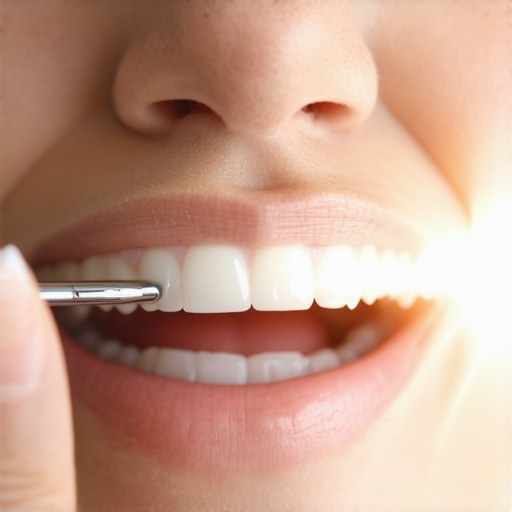
A stain is like a paint spill on a hardwood floor—it is flat and stubborn, but the floor itself remains solid. A cavity is like a termite hole; the structural integrity is gone. To test this, take a clean dental pick or even the tip of a clean fingernail and gently run it over the dark spot. If it feels smooth and hard, you are likely looking at a surface stain. However, if the tip of your tool ‘catches’ or feels like it is sinking into something tacky or soft, you have moved past surface issues. I once spent a week trying to ‘scrape’ a dark groove off my upper molar, assuming it was a lingering espresso mark. When I finally applied a bit of pressure, I felt a tiny ‘squish’ instead of a solid surface. That was my cue that the enamel had already softened into a full-blown cavity. If you find your teeth feel sticky only a few hours after brushing, it might be general plaque, but a localized sticky pit is a classic sign of decay.
Watch for These Physical Warning Signs
Sensitivity is the most honest indicator you have. Stains do not hurt; a coffee mark will not make you wince when you bite into a popsicle. However, if you need to handle a tooth that feels sensitive only when you drink hot coffee, the heat is likely traveling through a hole in your enamel to reach the nerve. Think of your enamel as a protective winter coat. A stain is just a smudge on the sleeve, but a cavity is a rip in the seam that lets the cold air in. Another red flag is a sharp ‘zing’ when eating sweets. Sugar reacts with the bacteria inside a cavity, creating an acidic reaction that hits the nerve instantly. If you notice your teeth feel thin near the gum line when you brush, you might be experiencing enamel erosion, which acts as an open invitation for cavities to form in those weakened areas.
Why Depth Matters More Than Color
Do not be fooled by the shade of the mark. Some of the most aggressive cavities start as chalky white or light grey spots, while harmless stains from years of tea-drinking can look dark and ominous. The key is identifying depth. Use a bright light—your phone’s flashlight is perfect—and look at the spot from a side angle. Does the light disappear into a pit, or does it reflect off a flat surface? While modern teeth cleaning innovations that reduce sensitivity and boost results can often polish away surface-level discoloration, they cannot restore a hole in the tooth. I have seen people spend a fortune on whitening kits trying to erase ‘dark spots’ that were actually deep pits. They often ended up with gums peeling after using a new brand of whitening strips because they were over-bleaching a tooth that actually required a professional filling. If the spot has a ‘halo’ or a shadow around it, that is the sound of your enamel demineralizing. Learning the coffee lovers secret to preventing deep enamel stains can help keep your smile bright, but once a structural pit has formed, the drill is usually the only way back to health.
The Chalky White Spot That Is Not What It Seems
Here is something most people get wrong: they think a cavity always looks like a black hole. In my experience, the most dangerous stage of decay is actually white. When your enamel starts to lose its mineral content, it develops ‘white spot lesions’ that look chalky and opaque. This is the ‘pre-cavity’ phase. If you mistake this for a natural variation in your tooth color and ignore it, you are missing the only window where you can actually stop the decay without a drill. Many patients think cosmetic dentistry myths debunked suggest that these spots are just cosmetic, but they are actually a structural SOS signal. If you try to ‘whiten’ these spots away, you might actually be driving acid deeper into the weakened enamel.
Stop Believing That Every Dark Mark Needs a Drill
There is a common belief that any dark groove in a molar is a cavity that needs immediate filling. However, conservative dentistry has shifted. Many of those dark lines are ‘arrested’ decay—spots that started to rot years ago but were stopped by good hygiene or fluoride. A study published in the Journal of the American Dental Association (JADA) emphasizes that ‘active’ lesions require treatment, while ‘inactive’ or arrested lesions can often just be monitored. The ‘Oops’ factor here is allowing an over-eager practitioner to drill into a tooth that has already healed itself. If the spot is hard, shiny, and hasn’t changed in years, it might just be a battle scar from your teenage years rather than an active threat. This is why modern teeth cleaning innovations that reduce sensitivity and boost results are so important—they allow us to clean and inspect these grooves without the invasive ‘poking’ of the past.
Is it possible for a cavity to actually heal itself?
Technically, yes—but only in the outermost layer. This process is called remineralization. When you use fluoride and keep the area clean, minerals like calcium and phosphate can redeposit into the enamel. But here is the trap: once the decay breaks through the enamel and hits the dentin (the softer layer underneath), the ‘healing’ window closes forever. I have seen too many people try ‘natural’ remineralization protocols on deep cavities, only to end up with a massive abscess. Another dangerous mistake is the DIY craze; the truth about charcoal toothpaste and your tooth enamel is that it is often too abrasive. It might scrub away a stain, but it also thins your enamel, making you more prone to the very cavities you’re trying to avoid. If you’re dealing with a persistent spot, teeth cleaning for sensitive teeth can help clear the debris so a pro can see what is really happening. Have you ever fallen into the trap of trying to ‘scrub’ away a spot only for it to get more sensitive? Let me know in the comments. Learning to distinguish between a permanent scar and an active infection is what separates a healthy mouth from a lifetime of dental bills.
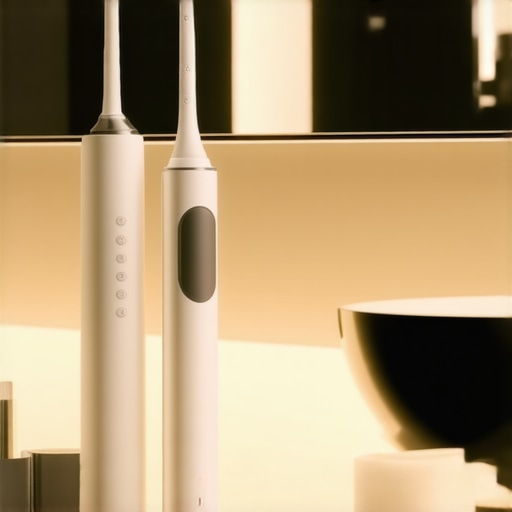
Once you realize that a spot isn’t just a stain, the panic usually shifts to, ‘How do I never let this happen again?’ I used to think a basic toothbrush and some string floss were enough, but after my third filling in two years, I had to face the reality that my technique was failing. I’ve spent the last few years obsessively testing the gear the pros use, and the difference in my checkups has been night and day. If you are serious about avoiding the chair, you have to stop treating your oral hygiene like a chore and start treating it like a high-precision maintenance routine. I personally swear by the ‘pressure sensor’ feature on modern electric brushes. If you’ve ever wondered why your jaw feels like it is vibrating when you use an electric toothbrush, it is often the motor working at a frequency designed to break up biofilm without shredding your gums. Switching to a high-end sonic model wasn’t just a luxury; it was the only way I stopped scrubbing my enamel away.
The Only Two Tools That Actually Changed My Dental Bill
If you aren’t using a water flosser yet, you are leaving half the job unfinished. I used to be a manual floss purist until I saw a high-definition scan of the plaque left behind in my tight molars. There is a reason why your dental hygenist uses a water flosser instead of manual tools during deep cleanings—the hydro-pressure can reach depths that string simply cannot. According to a landmark Cochrane Library review, powered toothbrushes provide a 21% greater reduction in plaque compared to manual brushing after just three months of use. I’ve paired my sonic brush with a dedicated tongue scraper, and the change in my morning breath was instant. It’s about creating an environment where bacteria can’t set up shop. For those of us navigating orthodontic work, mastering Invisalign maintenance expert tips for clear confident smiles is non-negotiable. I learned the hard way that a slightly dirty aligner is just a plastic bag full of acid sitting against your teeth all day.
How can I keep my smile stable for decades?
Maintenance is not a sprint; it is a lifestyle of small, smart choices. For me, that meant learning the secret to drinking iced coffee with Invisalign without staining your teeth (hint: it involves a straw and an immediate water rinse). It also means being consistent with professional help. You cannot ‘DIY’ your way out of tartar buildup. By maintaining your teeth cleaning routine for long term health, you allow a professional to spot those ‘white lesions’ I mentioned earlier before they turn into holes. I predict that in the next five years, we will see AI-integrated toothbrushes that sync with your dentist’s office to flag demineralization in real-time. We are moving toward a world where ‘surprise’ cavities are a thing of the past. For now, my best advice is to stop ‘scrubbing’ and start ‘guiding’ your brush. Try this tonight: hold your toothbrush with just your fingertips like a violin bow rather than a hammer. This reduces the force and protects your gum line instantly.
The Reality Check My Dentist Gave Me After Years of Anxiety
For a long time, I viewed dental care as a pass/fail exam. If I had a spot, I failed. But the biggest ‘lightbulb moment’ was learning that oral health is a dynamic ecosystem. Here are the hard-won lessons that changed how I look in the mirror every morning:
- pH balance is the real boss: It is not just about the sugar you eat, but how long your mouth stays in an acidic state. Sipping on coffee all day is actually more damaging for a potential cavity than eating a chocolate bar and rinsing with water immediately after.
- Texture is more honest than color: A dark groove that remains hard as a rock is often just a ‘battle scar’ or a stain; however, a tiny white spot that feels chalky or soft is a structural SOS.
- Genetics is not destiny: Some of us naturally have ‘softer’ enamel, but that simply means our teeth cleaning tips for a brighter smile this spring must be followed with military precision.
#IMAGE_PLACEHOLDER_E#
What I Trust to Keep the Drill at Bay
I have tested almost every dental gimmick on the market, from abrasive charcoal powders to ‘natural’ pastes that offered zero protection. Now, I stick strictly to what the data and the pros support. If you want to move from ‘wait and see’ to proactive protection, these are my non-negotiables:
- The Hydro-Flosser: This is essential for those tight gaps where manual string often snaps. It is the most effective way to ensure a surface stain between teeth does not evolve into a hidden cavity.
- Sonic Brushes with Pressure Sensors: Most of us are ‘scrubbers’ by nature, which is often the reason your teeth feel thin near the gum line. A sensor forces you to be gentle on your enamel.
- A Prevention-Focused Professional: You need a partner who watches spots over time rather than rushing to drill. Invest time in choosing the right dentist so you feel confident in your treatment plan.
Your Next Move for a Fearless Smile
Learning the difference between a cavity vs. stain is the first step in taking absolute control of your oral health. Whether you need a simple professional polish or a conservative filling, catching these changes early is the ultimate ‘hack’ for both your budget and your comfort. If you are ready to refresh your look, the ultimate guide to teeth whitening and cosmetic enhancements can help you tackle those stubborn stains once your dentist confirms your enamel is structurally sound. Don’t let a tiny dark speck steal your confidence. Have you ever been convinced you had a major cavity only to find out it was just a stubborn coffee stain? Let me know your story in the comments below!