
I remember the exact Tuesday morning I discovered it. I was mindlessly running my tongue across my teeth while waiting for the kettle to boil, and suddenly, there it was. A soft, squishy, almost pillow-like sensation right above my left canine. It didn’t hurt—not yet, anyway—but it felt wrong. Like a piece of wet bread had replaced my firm, healthy gum tissue. Naturally, I did what any sane person does: I poked at it until it started to throb, and then I spent three hours down a Google rabbit hole that convinced me I needed emergency surgery. We often focus so much on the teeth themselves—obsessing over how regular teeth cleaning can prevent major dental issues or whether we should finally look into cosmetic dentistry trends that transform smiles today—that we forget the foundation. The gums are the unsung heroes of your mouth. When one specific area turns spongy, it is like a check engine light for your jaw. I made the classic mistake of thinking I could just scrub the sponginess away. I grabbed a toothbrush and went to town. Spoiler alert: that was a terrible idea, and it only led to more irritation and a very awkward conversation with my dentist.
Your Gums Shouldn’t Feel Like Marshmallows
It is unnerving when your mouth stops feeling like your mouth. That localized squishiness usually indicates that blood and fluid are rushing to the area to fight off an intruder. Whether it is a tiny bit of trapped popcorn or the beginning of a localized infection, your body is sounding the alarm. I once ignored a similar sensation for two weeks, thinking it would just resolve itself, only to find out I had developed a small abscess that required much more work than a simple cleaning. You might have noticed the reason your gums feel spongy after a weekend of heavy snacking is often due to the sheer amount of sugar sitting against the tissue, but when it is just one spot, the cause is usually more specific. Today, we are going to get to the bottom of why this happens and how to restore that firm, healthy pink texture.
Is a single soft spot really worth a dental visit?
You might be thinking it is just a minor irritation that will fade by tomorrow. And sometimes, it is. But when that sponginess persists, it is often the beginning of what pros call a periodontal pocket. According to the Centers for Disease Control and Prevention (CDC), nearly 47.2% of adults aged 30 years and older have some form of periodontal disease, and it frequently starts in just one neglected corner of the mouth. Ignoring it is the fastest way to turn a simple fix into a complex problem. Have you ever noticed a spot in your mouth that feels off but doesn’t actually ache? I would love to hear if you have dealt with this—I felt like I was the only person on earth with a squishy gum until I finally spoke up. Before you reach for that hard-bristled toothbrush to over-clean the area, let’s look at the actual science of what is happening under the surface.The first thing I did when I found my ‘marshmallow’ gum was grab my toothbrush and scrub like I was trying to remove a red wine stain from a white rug. Big mistake. Your gums are more like delicate silk than heavy-duty carpet. If you find a localized soft spot, your first move should be a tactical retreat. Switch immediately to a soft-bristled brush. I learned the hard way why your dental hygienist told you to stop using hard-bristled toothbrushes; they literally tear at the already-inflamed tissue, making the sponginess worse. Instead, focus on a very gentle, circular motion. You aren’t trying to sand the gum down; you’re trying to clear away the microscopic bacterial film that’s causing the swelling.
Stop the scrubbing and start the soaking
I once had a tiny popcorn hull trapped for three days—it felt like a piece of squishy bread had been glued to my jaw. I spent those days poking it with my fingernail, which only pushed the debris deeper into the tissue. The real solution was far simpler. If you feel that localized puffiness, you need to flush the area rather than scrape it. This is where a saline solution becomes your best friend. Warm salt water acts like a magnet for inflammation, drawing out the excess fluid.
The salt water trick you actually need
Mixing half a teaspoon of salt into a glass of warm water isn’t just an old wives’ tale. It creates an osmotic environment that draws fluid out of the swollen gum tissue. While I usually advocate for the salt water rinse secret for healing a bitten cheek faster, it works just as well for localized sponginess. Swish the solution gently for 30 seconds, focusing on the side of your mouth where the ‘squish’ is. This reduces the internal pressure that makes the gum feel like a marshmallow.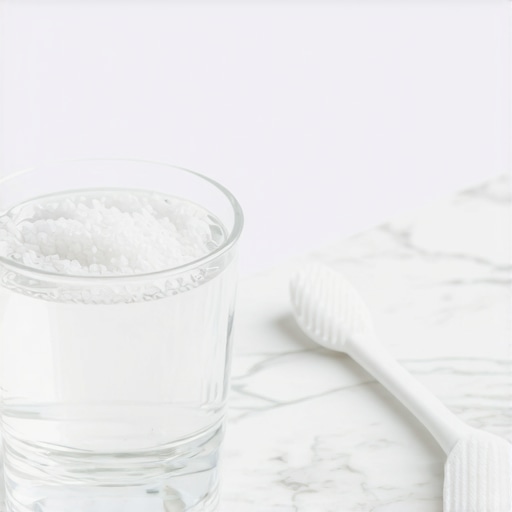
Fish out the hidden intruders gently
Sometimes the sponginess is caused by ‘foreign body irritation.’ This is the dental equivalent of a splinter. If a piece of food gets lodged under the gum line, the area will swell and feel soft. Instead of digging with a toothpick—which I’ve done and immediately regretted—use high-quality floss. Be warned: if you have a bridge or tight spaces, you might need a specific technique like the trick to flossing under a permanent dental bridge to ensure you aren’t just jamming the debris further in. Slide the floss gently down the side of the tooth, curve it into a ‘C’ shape, and lift upwards. If something was stuck, you’ll often feel the ‘squish’ subside almost instantly as the pressure is released.
When to hand the reins to a professional
If you’ve rinsed, switched to a soft brush, and checked for debris, but the spot still feels like a sponge after 48 hours, it’s time to stop the DIY approach. Persistent localized swelling can be a sign of a periodontal abscess or a deep-seated infection that a toothbrush simply cannot reach. This is often when a deep cleaning is required to clear out the ‘pocket’ that has formed. I remember being nervous about my first deep cleaning, but understanding how to stop the metallic taste in your mouth after a deep cleaning helped me realize it was a standard, helpful procedure. Regular maintenance is the only way to keep these issues from returning. We often forget how regular teeth cleaning can prevent major dental issues before they even start. If your gum tissue doesn’t bounce back, choosing the right dentist who understands your specific history is the next logical step. They can use specialized tools to irrigate the area and ensure that ‘squishy’ spot doesn’t turn into a permanent problem.Most people assume that if their gums are spongy in one spot, they just need to scrub harder to clean it. I have seen many people transition to [charcoal toothpaste](https://smilezdentist.com/the-truth-about-charcoal-toothpaste-and-your-tooth-enamel) thinking the extra grit will detox the area. This is a massive mistake. [Teeth cleaning myths debunked by top dentists](https://smilezdentist.com/teeth-cleaning-myths-debunked-by-top-dentists) often highlight that abrasive pastes actually wear down the thin enamel near the gum line, creating even more sensitivity and tissue irritation. In fact, a study published in the Journal of Clinical Periodontology suggests that mechanical trauma from over-aggressive cleaning is a leading cause of localized recession and inflammation. Have you ever fallen into the scrubbing trap? Let me know in the comments. Another hidden nuance is that persistent sticky feeling that accompanies sponginess. [Why your teeth feel sticky even after you brush](https://smilezdentist.com/why-your-teeth-feel-sticky-even-after-you-brush) often comes down to biofilm maturation; it is not just about the food you ate ten minutes ago. It is about bacterial colonies building a fortress that your manual brush simply cannot penetrate.
Why does my gum still feel weird even after I have brushed perfectly?
It is because the problem is likely below the gum line in an area called the sulcus, where your brush cannot reach. Many patients think [modern teeth cleaning innovations that reduce sensitivity and boost results](https://smilezdentist.com/modern-teeth-cleaning-innovations-that-reduce-sensitivity-and-boost-results) are just for luxury, but they are actually designed to reach these anaerobic zones where oxygen-hating bacteria thrive. If you are looking at [cosmetic dentistry trends that transform smiles today](https://smilezdentist.com/cosmetic-dentistry-trends-that-transform-smiles-today), you must realize that no amount of [cosmetic dentistry for discolored teeth](https://smilezdentist.com/cosmetic-dentistry-for-discolored-teeth-your-path-to-radiance) will look right if the foundation is unstable. A common oops factor is thinking [invisalign maintenance expert tips for clear confident smiles](https://smilezdentist.com/invisalign-maintenance-expert-tips-for-clear-confident-smiles) are just suggestions. If you have aligners and a spongy spot, you are essentially creating a petri dish environment. Another nuance people miss is how inflammation affects alignment; [why your invisalign trays feel tighter on some days than others](https://smilezdentist.com/why-your-invisalign-trays-feel-tighter-on-some-days-than-others) can actually be tied to these subtle changes in gum thickness.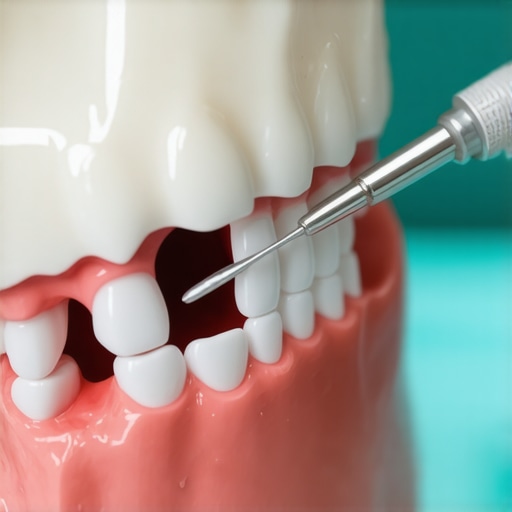
Don’t let a “simple” cleaning fool you
There is a massive difference between a routine cleaning and professional periodontal therapy. When you are [choosing the right dentist](https://smilezdentist.com/choosing-the-right-dentist-expert-tips-for-your-best-smile-journey), ask them about their approach to biological width. This is the specific amount of space nature requires between the bone and the gum line. If that space is violated—either by debris or poor [invisalign vs traditional braces](https://smilezdentist.com/invisalign-vs-traditional-braces-which-is-smarter-for-your-lifestyle) hygiene—the gum will stay spongy forever. Many believe [why your professional whitening results faded so quickly this time](https://smilezdentist.com/why-your-professional-whitening-results-faded-so-quickly-this-time) is due to the gel quality, but it is often because inflamed gums leak fluid that interferes with the whitening process. If your gum tissue does not bounce back after a few days of gentle care, do not wait. [Finding a dentist who gets your smile](https://smilezdentist.com/finding-a-dentist-who-gets-your-smile-tips-from-top-cosmetic-pros) is about finding someone who looks at the architecture of the gum, not just the sparkle of the tooth. If you are struggling with a persistent spot, [contact us](https://smilezdentist.com/contact-us) to get a professional look before it affects your underlying bone structure. Consistently following [teeth cleaning tips for a brighter smile this spring](https://smilezdentist.com/teeth-cleaning-tips-for-a-brighter-smile-this-spring) is good, but targeted care for a squishy spot is vital for your long-term [invisalign success story](https://smilezdentist.com/invisalign-success-stories-real-patients-real-transformations).I used to think my manual brush was enough, but my hygienist finally sat me down and showed me why my technique was failing. The shift to a high-end sonic toothbrush changed the game for me. It is not just about the vibration; it is about the fluid dynamics that push water and oxygen between the teeth. This is especially vital if you are maintaining your teeth cleaning routine for long-term health. I noticed a significant difference when I stopped relying on my own wrist motion and let the sonic waves do the heavy lifting. The micro-bubbles created by sonic technology can penetrate up to 3mm beyond the physical reach of the bristles, which is crucial for tackling that hidden bacteria. I personally swear by a water flosser for one specific reason: it removes plaque from areas a physical bristle simply cannot reach without causing irritation. According to clinical research by Dr. Gerald K. Groisman in the Journal of Clinical Dentistry (Vol. 25), the pulsed water pressure creates a compression and decompression cycle that physically flushes out subgingival bacteria, which is the primary cause of that localized spongy feeling.
Why I Swapped Traditional Floss for Water
If you are currently dealing with a localized soft spot, the last thing you want to do is shove a piece of string into it and potentially introduce more bacteria or cause a bleed. The water flosser acts like a gentle power washer for your mouth. It is one of those teeth cleaning secrets how regular care boosts oral health at any age. I have found that using the specialized orthodontic tip—even if you do not have braces—is a complete game-changer for cleaning around the back of those stubborn molars. If you are struggling with teeth cleaning for sensitive teeth what works best in 2025, a water flosser with a temperature-controlled reservoir allows you to clean deeply without that sharp, cold-sensitive shock. 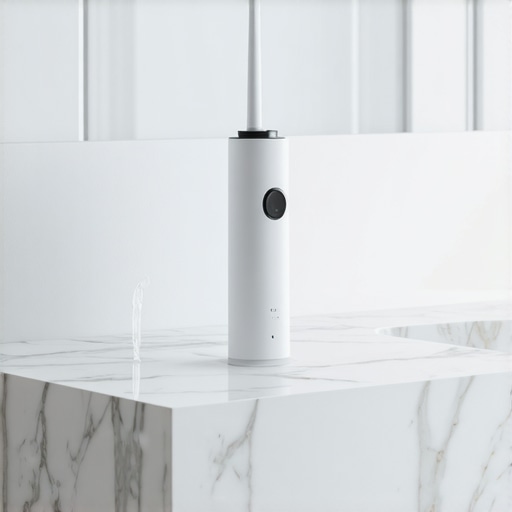
Keep Your Invisalign Trays Crystal Clear
When you are knee-deep in an Invisalign success story, the maintenance of the plastic itself becomes a part-time job. I learned the hard way that brushing trays with toothpaste actually creates microscopic scratches that make them look cloudy. Now, I use a dedicated ultrasonic cleaner with specialized cleaning crystals. If you have ever wondered how to clean the stubborn cloudiness off your night guard, that same logic applies perfectly to your aligners. It keeps them truly invisible, which is the whole point of why Invisalign is the future of clear braces. Maintaining the trays isn’t just about the look; it prevents bacteria from sitting directly against your gum tissue for 22 hours a day, which is a major contributor to that marshmallow texture we are trying to avoid.
How do I maintain my gum health over the long haul?
Consistency beats intensity every single time. It comes down to auditing your tools every six months—I replace my brush heads religiously every 90 days. Looking ahead, I see a massive shift toward remote monitoring. Brands are already testing AI-powered apps that scan your teeth through your smartphone to alert you to inflammation before you even feel it. This is why Invisalign innovations why 2025 is the year for a perfect smile are so exciting—the technology is finally catching up to our busy lifestyles. Even if you are just starting your journey, how to choose a dentist for your Invisalign transformation is now as much about their digital tech suite as it is their chairside manner. If you are serious about keeping that foundation firm, I highly recommend investing in an ultrasonic cleaner for your trays this week; it is the single best maintenance investment I have made for my daily routine.
The Hidden Lessons My Gum “Marshmallow” Taught Me
I learned the hard way that localized inflammation is often a physical sign of a periodontal pocket in the making. Even if you follow all the teeth cleaning tips for a brighter smile this spring, you can still miss these deep-seated spots that require more than a standard brush. Another lightbulb moment was realizing that gum health dictates the success of every aesthetic goal; for instance, you cannot fully enjoy the results of the ultimate guide to teeth whitening and cosmetic enhancements if your gums are leaking fluid from an active infection. Lastly, I realized that ‘clean’ doesn’t mean ‘rough.’ Gentleness is actually more effective at removing biofilm than aggressive scrubbing, a concept often missed in cosmetic dentistry myths debunked.
My Personal Toolkit for Gum Recovery
To keep my gums firm and healthy, I rely on three specific items. First, a high-quality water flosser is non-negotiable. It is one of those modern teeth cleaning innovations that reduce sensitivity and boost results by flushing out subgingival debris without physical trauma. Second, if you are currently navigating Invisalign for adults in 2025, a dedicated ultrasonic cleaning pod for your trays is essential to prevent bacteria from being pressed against your gums for 22 hours a day. Third, I always keep high-purity sea salt on hand for an immediate saline rinse. This simple osmotic pull is the fastest way to reduce the internal pressure that makes gum tissue feel squishy. #IMAGE_PLACEHOLDER_E#
Take Back Control of Your Smile Foundation
Your smile is a long-term investment, and the gums are the foundation that holds everything together. Don’t let a small soft spot discourage you or lead you toward quick fixes that ignore the root cause. Addressing that spongy gum tissue today prevents a mountain of complexity tomorrow. You deserve a smile that feels as firm and healthy as it looks. If you are unsure where to start, finding a dentist who gets your smile is the best first step to ensuring your oral health remains on track for the long haul. Have you ever dealt with a mysterious ‘squishy’ spot in your mouth? Let me know what worked for you in the comments!