
I remember the exact Tuesday morning it happened. I was sitting at my kitchen table, the sun just starting to peek through the blinds, clutching a steaming mug of Colombian dark roast. I took a confident gulp, expecting that familiar warmth, but instead, a sharp, electric jolt shot through my back molar. I actually gasped and set the cup down so hard some coffee splashed out. It felt like my tooth was suddenly plugged into a wall socket. That was my “enough is enough” moment. For a while, I tried to convince myself it was just the winter air or a fluke, but when your favorite part of the day becomes a source of dread, you know something has to change.
Stop the Zap and Save Your Morning Ritual
[image_placeholder] If you are reading this, you are probably in the same boat. You are tired of side-drinking your latte or waiting twenty minutes for your tea to reach a tepid, lukewarm temperature just so it does not hurt. We are going to figure out why your tooth is screaming and how to fix it before you start avoiding hot drinks altogether. Often, this is not just about sensitive teeth in general; sensitivity to heat is a specific red flag that usually means the nerve is getting agitated. In my early days of trying to manage this, I made a classic mistake. I thought I could scrub the sensitivity away with an aggressive whitening regimen, but I actually made things worse. I learned the hard way that the truth about charcoal toothpaste is that it can be too abrasive for those of us with thinning enamel. I was literally sanding down my own protection. According to the American Dental Association, while cold sensitivity is very common, lingering pain from heat can sometimes indicate a more serious issue with the tooth’s pulp or a hidden crack. You should not ignore a sudden sharp pain when you bite down or drink something hot, because your mouth is trying to tell you that the internal alarm system is triggered.
Is This Actually Worth My Worry?
You might be thinking, “Maybe I will just switch to iced coffee and call it a day.” Trust me, I tried that. But ignoring heat sensitivity is like ignoring a check engine light. It might start as a minor annoyance, but it can lead to needing more than just a simple fix. The good news is that teeth cleaning for sensitive teeth has come a long way in 2025, and there are ways to desensitize that nerve without a major ordeal. Have you ever found yourself clutching your jaw after a sip of hot soup or coffee? Tell me if you have been numbing the pain by just avoiding hot stuff lately. We need to look at why that protective layer of enamel has decided to quit its job. Sometimes it is as simple as your coffee habit causing enamel wear, or maybe your dental hygienist told you to stop using hard-bristled toothbrushes and you didn’t listen. Whatever it is, we are going to tackle it together so you can actually enjoy your breakfast again.The first thing you have to understand is that your enamel is like a high-quality winter coat for the nerves inside your teeth. When that coat gets thin or develops microscopic holes—which we call tubules—the heat from your coffee travels straight to the nerve. To fix this, you need to physically plug those holes.
Rebuild Your Protective Shield Without the Guesswork
The fastest way to start seeing results isn’t just switching toothpastes; it is how you use it. Most people brush and spit immediately, but for heat sensitivity, you need to let the active ingredients, like potassium nitrate or stannous fluoride, actually settle. Think of it like applying a healing salve to a scrape.
Ditch the Scrubbing and Treat Your Enamel Like Silk
I will never forget the week I decided to treat my zap tooth like a science project. Instead of just brushing, I took a pea-sized amount of desensitizing paste and dabbed it directly onto the sensitive molar before bed. I did not rinse. I just let it sit there. By Friday, that electric shock when I drank my morning brew had faded into a dull, manageable throb, and by the next week, it was gone. This topical approach works because it gives the minerals enough time to physically block those tiny tunnels leading to the nerve. If you are struggling even with cold liquids, learning how to stop the sharp pain when you drink room temperature water starts with this exact consistent application. 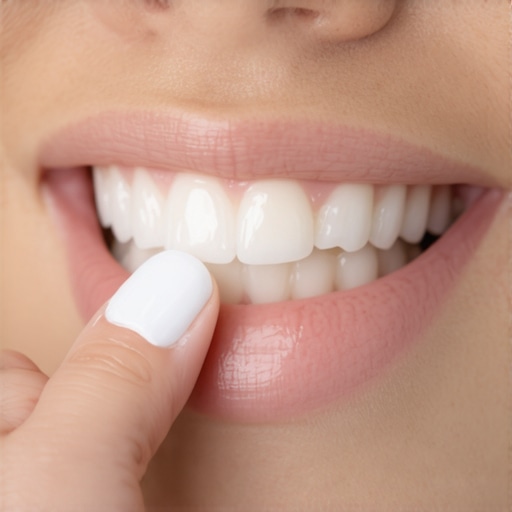
Modern Solutions That Go Deeper Than Brushing
Sometimes, home remedies only get you halfway. If the pain lingers for more than thirty seconds after you have swallowed your drink, the nerve might be inflamed beyond what a paste can fix. This is where teeth cleaning for sensitive teeth what works best in 2025 comes into play. Dentists now have access to high-tech desensitizers and fluoride varnishes that act like a professional-grade sealant. If you are still using that old-school manual approach, you are missing out on modern teeth cleaning innovations that reduce sensitivity and boost results. For instance, some offices use glycine powder or specialized water flow systems that clean your teeth without the scraping sensation that usually makes sensitive teeth flare up. Beyond the chair, maintaining your teeth cleaning routine for long-term health involves using a soft-bristled brush and avoiding acidic rinses right after your morning brew. These teeth cleaning secrets how regular care boosts oral health at any age are not just about hygiene; they are about preventing the enamel erosion that leads to that painful zap in the first place.Most people think a professional cleaning is just an optional aesthetic ‘buff and shine,’ but that is a dangerous simplification. In my experience, focusing solely on the visual aspect—the ‘whiteness’—is exactly what leads to the chronic sensitivity I was dealing with. We have been conditioned to believe that if our teeth aren’t blindingly white, they aren’t clean. But did you know that over-polishing or using too high a concentration of peroxide can actually lead to permanent ‘zingers’? The American Academy of Cosmetic Dentistry (AACD) notes that while modern treatments are safe, improper application or ignoring underlying enamel health is the leading cause of post-procedure discomfort.
The Hidden Risks of Chasing a Hollywood Smile
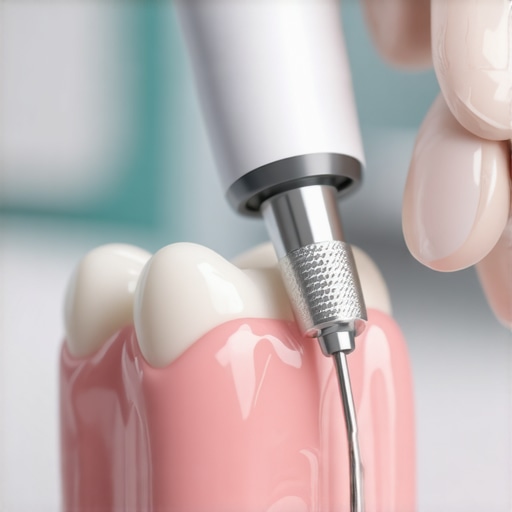 I fell into the ‘white at any cost’ trap myself. I used those drugstore strips like they were candy, not realizing that my teeth were already yelling for help. If you have a history of sensitivity, the standard advice of ‘just use a whitening kit’ is actually bad advice. Instead, you should be looking at the best way to whiten your teeth if you have naturally thin enamel, which often involves professional-grade desensitizing buffers. Another huge misconception is that teeth cleaning myths debunked by top dentists reveal that skipping a cleaning can actually make your teeth look more yellow over time, even if you brush three times a day. This happens because plaque hardens into tartar, which is porous and soaks up every drop of that morning coffee like a sponge.
Can You Actually Over-Whiten Your Teeth into Permanent Sensitivity?
Yes, and it is more common than you think. There is a physiological limit to how much a tooth can be lightened before you are essentially dehydrating the nerve. This is the ‘nuance’ the internet misses. When you see cosmetic dentistry myths debunked what you really need to know, you realize that health must precede aesthetics. If you are considering straightening your teeth, don’t just look for the cheapest price; how to choose a dentist for your invisalign transformation is about finding someone who checks your bite alignment first. A misaligned bite can cause ‘abfraction’—those little notches at your gum line that make drinking room temperature water feel like an ice pick. By addressing the alignment, you are actually fixing the root cause of the sensitivity. If you have been struggling to see results, it might be why your professional whitening results faded so quickly this time—usually due to lifestyle habits or a lack of proper maintenance. Remember, how regular teeth cleaning can prevent major dental issues is the real secret to a long-lasting smile.
Avoid the Post-Cleaning Sensitivity Trap
One specific ‘oops’ factor I see all the time is the urge to whiten immediately after a professional cleaning. While your teeth are their cleanest, they are also at their most vulnerable. The cleaning process temporarily opens those tubules we discussed earlier. If you hit them with a high-strength bleach immediately, you are basically inviting the pain in for a permanent stay. Wait at least 48 hours to let your saliva naturally remineralize the surface. Have you ever fallen into this trap of prioritizing whitening over health? Let me know in the comments.
My Daily Toolkit for a Pain-Free Morning
Once I realized my sensitivity wasn’t a life sentence, I became obsessed with the gear I was using. I traded my $5 manual brush for a high-end electric one with a built-in pressure sensor. Why? Because I was a chronic ‘scrubber.’ Every time I pushed too hard, the handle flashed red, literally training me to stop destroying my own gums. If you are dealing with recession, you need to understand that maintaining your teeth cleaning routine for long-term health isn’t about power; it’s about precision. I also added a water flosser to my nightstand. It feels weirdly satisfying, like a tiny power wash for your mouth, and it’s the reason why your dental hygienist uses a water flosser instead of manual tools when they want to be gentle yet thorough. It gets into the nooks that standard floss simply misses, especially if you have tight contacts or are currently navigating Invisalign maintenance expert tips for clear confident smiles.
How do I maintain my results over the long haul?
It comes down to a strategy I call ‘micro-remineralization.’ I don’t just wait for my bi-annual cleaning to get the good stuff. I switched to a toothpaste containing nano-hydroxyapatite (nHAp). According to research published in the Journal of Dentistry, nHAp is a revolutionary biocompatible material that can actually integrate with your enamel and fill in those microscopic tubules I mentioned earlier. While fluoride is great, nHAp feels like you are actually adding ‘tooth’ back to your teeth. It’s a game-changer for anyone who finds that how to stop the sharp pain when you drink room temperature water is a daily struggle. 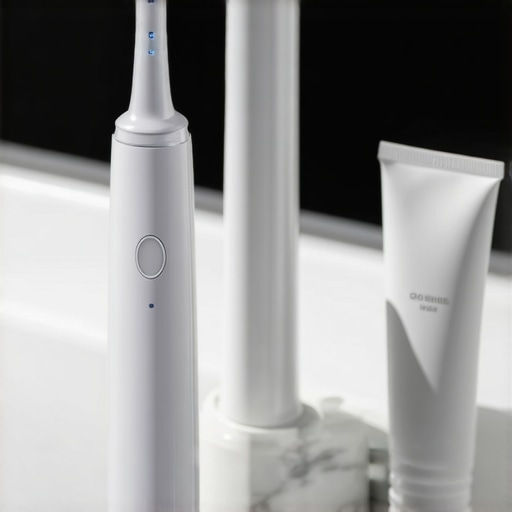
The Future of Brushing is More Personalized Than You Think
I predict that within the next few years, we won’t just be ‘brushing’; we will be data-mining our mouths. We are already seeing the rise of AI-integrated brushes that map your mouth in real-time on your phone, showing you exactly where you missed. In 2025, Invisalign innovations why 2025 is the year for a perfect smile are merging with smart tech to ensure your alignment and your enamel health are tracked simultaneously. This level of oversight is how you avoid how regular teeth cleaning can prevent major dental issues before they even start. If you want to scale your oral health, you need to stop guessing and start measuring. I’ve found that using these teeth cleaning secrets how regular care boosts oral health at any age has turned my dental visits from anxiety-ridden chores into simple check-ins. My biggest piece of advice? Try the ‘dry brushing’ method once a day before you add paste. It helps you feel exactly where the plaque is hiding so you can target those spots with your electric brush. Give it a shot tonight—you’ll be surprised at how much cleaner your teeth feel.
The Hardest Lessons I Learned While Battling Tooth Zaps
Looking back at my journey from avoiding hot drinks to enjoying a steaming latte with zero anxiety, I realized that I had fallen for a few major misconceptions. First, I thought sensitivity was just my “new normal” as I got older, but it is actually a reversible signal of enamel fatigue. I also learned that the best defense isn’t a stronger brush, but a smarter one. If you are struggling to keep your progress on track, following specialized teeth cleaning tips for a brighter smile this spring can help you adjust your routine for the changing seasons. Most importantly, I found that you cannot whiten your way out of a health problem. Building back that mineral barrier must come before any aesthetic changes.
My Go-To Arsenal for Sensitive Teeth in 2025
If I had to narrow down the tools that actually moved the needle, it would be these three. First, a toothpaste containing nano-hydroxyapatite is non-negotiable; it is the only thing that felt like it was physically repairing my teeth rather than just numbing them. Second, I cannot overstate the value of a pressure-sensitive electric brush that keeps me from being my own worst enemy. Finally, if you are also looking at alignment to fix bite-related sensitivity, comparing invisalign vs traditional braces which is smarter for your lifestyle is the first step toward a healthier bite that reduces long-term wear and tear. These tools, combined with regular professional oversight, are what keep the zaps away for good.
[image_placeholder]
Take Back Your Morning Routine Starting Today
Your morning coffee should be a moment of peace, not a test of your pain tolerance. By addressing the root cause of your heat sensitivity through remineralization and modern hygiene practices, you can stop the cycle of avoidance. It all starts with finding a dentist who gets your smile tips from top cosmetic pros so you can create a plan tailored to your specific enamel thickness. If you have any questions about how to start your own enamel-building journey or want to share your success story, don’t hesitate to contact us today. You don’t have to wait for the pain to get worse to start feeling better. Have you found that a specific temperature of drink triggers your sensitivity more than others? Let me know in the comments below!