
It happens every single night. I stand in front of my bathroom mirror, pull out a fresh foot of minty floss, slide it between my upper left molars, and—snap. Or worse, it doesn’t quite snap, but it shreds into a dozen tiny, hairy fibers that get hopelessly wedged between my teeth. I used to yank at it, getting increasingly frustrated, thinking I just bought a bad batch of string. For months, I made the classic mistake of simply avoiding that tight spot altogether, thinking I was saving myself the headache. In reality, I was just letting plaque build up in the dark. It took a particularly embarrassing visit to my dentist to realize that shredded floss is never an accident, and it is almost always trying to tell you something specific about your smile.
The Sneaky Culprit Behind the Thread Bare Snapping
When your floss frays in the exact same location day after day, it is not a manufacturing defect. Your teeth are supposed to have smooth, snug contact points, but several dental realities can turn those spaces into microscopic razor blades. Most commonly, a tiny, sharp ledge of tartar—hardened plaque that you cannot brush away—has anchored itself to your tooth. Other times, it is an aging, chipped filling or a slightly misaligned tooth surface that acts like sandpaper on the nylon fibers. If you have recently started aligners, you might even notice this happening around your attachment bumps. Fortunately, finding the secret to floss that doesn’t snap between tight teeth can help you navigate these tight spots without the nightly drama.
Is This Minor Annoyance Actually Worth the Hype?
You might be tempted to just ignore a little shredding, but that frayed thread is actually an early warning system. According to clinical consensus compiled by the American Dental Association, persistent flossing difficulties often point directly to rough restoration margins or interproximal decay that needs professional attention before it turns into a painful cavity. When I ignored my shredding spot, that tiny rough edge eventually turned into a major structural issue. Regular maintenance and professional care are crucial; understanding how regular teeth cleaning can prevent major dental issues can save you from costly emergency procedures down the road. Have you ever dealt with that one infuriating tooth that eats your floss for breakfast? Let me know in the comments below, because we are about to dive into exactly how to identify and fix these troublesome tight spots once and for all.
Navigate the Tightest Spaces Without Shredding Your Floss
Getting your floss stuck feels like trying to pull a thick sweater through a keyhole. When you force the string down with too much downward pressure, it crashes through the contact point and slams directly into your sensitive gum tissue. This aggressive approach is a fast track to bleeding and recession. Instead of using a sawing motion that slowly destroys the nylon fibers, you need to change your angle of entry and physical technique. By mastering a controlled glide, you can slide past tight spots without leaving behind a single frayed thread.
The Seesaw Glide Technique for Tight Teeth
Instead of snapping the string straight down, wrap a fresh segment of floss tightly around your middle fingers, leaving only an inch of working space. Gently rock the string back and forth in a gentle seesaw motion. This gradual side-to-side movement slowly coaxes the floss past the tight contact point rather than letting it crash downward. I used to rush my evening routine, snapping the string violently into my gums. Once I switched to this controlled seesaw motion, my daily flossing became painless, and the shredding stopped instantly.
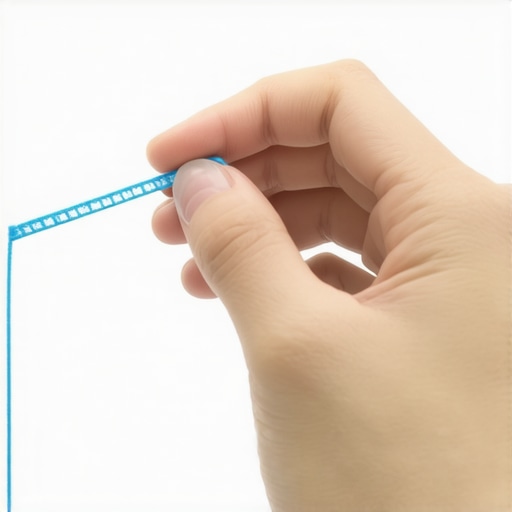
Switch to Single-Filament Floss
Standard multifilament nylon floss is made of multiple tiny strands twisted together. The moment this bundle hits a rough filling or a sharp edge of plaque, the individual strands begin to tear and unravel. If you struggle with tight contacts, swap your cheap string for a single-filament floss, such as polytetrafluoroethylene (PTFE). This material is essentially a smooth, flat ribbon that glides effortlessly through tight spaces without catching on rough dental work. Changing the type of material you use is often the secret to floss that doesn’t snap between tight teeth, especially if you have crowded molars.
Address Sharp Restorations and Calcified Plaque
If changing your technique and material still does not solve the problem, you are likely dealing with a physical barrier. Hardened tartar or an overhanging margin on an old silver filling will act like a tiny blade. You cannot brush or floss away hardened calculus; it requires professional intervention. Schedule a visit with your provider so they can smooth down the rough edge of that troublesome filling or perform a targeted scaling. Investing in regular maintenance is key, and knowing how regular teeth cleaning can prevent major dental issues will save you from structural damage down the road.
Handle Flossing Around Dental Aligners
If you are currently undergoing clear aligner therapy, those small composite attachment bumps can create brand-new tight spots and rough surfaces. Flossing around these attachments requires extra care so you do not accidentally dislodge them. If you run into severe resistance or find that your trays are sitting unevenly on Monday mornings, you might want to look into why your invisalign aligners feel tight every monday morning to better understand how your teeth are shifting and how to safely navigate these temporary tight spots.
When you are dealing with persistent flossing issues, it is easy to assume that the solution lies simply in buying stronger string or trying harder. But as someone who spent years perfecting a daily oral hygiene routine, I discovered that the reality is far more nuanced. Many of the assumptions we make about advanced home care, professional cleanings, and even modern alignment therapy are fundamentally backward.
The Dangerous Illusion of Clean Teeth and Overflossing
Everyone tells you to clean more aggressively when things feel tight or when you notice buildup. In my experience, double-downing on aggressive friction actually works against you. The most common trap is assuming that if your floss is fraying, you must scrub harder to “smooth out” the blockage. When you vigorously saw back and forth against a tight tooth, you are not grinding down the tartar; instead, you are creating microscopic plastic debris from the floss itself, which gets wedged into the tight contact zone, accelerating plaque accumulation.
This aggressive friction can also damage delicate cosmetic restorations. If you have invested in veneers or bonding, rough handling can micro-fracture the margins. Understanding the realities of cosmetic dentistry myths debunked what you really need to know helps protect those investments. Furthermore, assuming that bleeding during tight-spot flossing is just “toxins leaving the gums” is a major clinical mistake. According to a landmark study by the Journal of Clinical Periodontology, persistent bleeding at specific contact points is a direct indicator of localized tissue inflammation or subgingival calculus, not a normal byproduct of a deep clean.
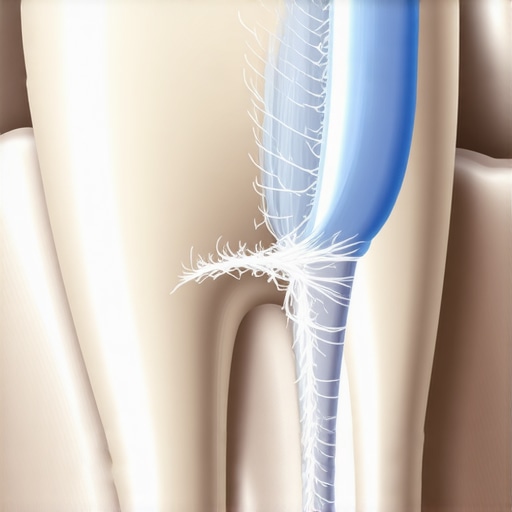
Why Does Your New Dental Work Keep Shredding Your Floss?
If you have recently received a new crown, filling, or composite bonding, you might expect your flossing routine to become instantly smoother. Instead, many patients find that their brand-new dental work acts like a razor blade on their floss. This happens because of microscopic overhangs—tiny margins of excess restorative material that extend beyond the tooth structure. While dentists use fine polishing discs, some tight interproximal spaces are incredibly difficult to smooth perfectly. If you are experiencing this, do not ignore it or try to “wear it down” yourself. Schedule a quick follow-up so your provider can run a specialized finishing strip through the contact to polish it smooth.
The Invisible Stress of Orthodontic Shifts
Another nuance that advanced patients often overlook is how tooth movement itself alters your flossing dynamics. During active orthodontic treatment, your teeth are under constant, light biological pressure. This pressure temporarily widens the periodontal ligament, which can make your teeth feel surprisingly mobile. In fact, understanding why your teeth feel loose during the second month of invisalign can keep you from panicking when a tight spot suddenly becomes a loose, wiggly spot overnight.
When teeth shift, the angles at which they meet change daily. A contact point that was perfectly smooth on Monday might become a trap for fibers by Thursday. If you are navigating this journey, relying on expert guidelines like those found in our invisalign maintenance expert tips for clear confident smiles can prevent you from damaging your alignment trays or your teeth. Have you ever fallen into this trap of over-cleaning a tight spot only to make it feel worse? Let me know in the comments below!
Once you look past the immediate panic of a shredding string and realize your teeth are constantly shifting, the conversation naturally turns to daily preservation. If you want to keep your smile intact after investing in professional adjustments, you need the exact same high-caliber tools and methods that professionals rely on. In my personal journey to maintain my oral health, I had to stop buying random drugstore clearance items and build a highly deliberate, advanced routine. This is not about buying more products; it is about choosing the precise physical mechanics that protect your dental work for years to come.
How do I maintain my tight dental contacts and restorations over time?
Long-term maintenance comes down to preventing microscopic plaque calcification and reducing structural friction. I personally use and recommend a high-quality, variable-pressure water flosser paired with a thin, expand-on-contact polyester tape. According to technical clinical guidelines published by the International Journal of Dental Hygiene, combining hydro-magnetic irrigation with mechanical flossing removes up to 99.9% of plaque biofilm from treated areas, vastly outperforming manual flossing alone. By using the water flosser first on a medium setting, you flush away the loose debris, allowing your single-filament tape to glide smoothly through those tight contacts without catching on microscopic tartar.
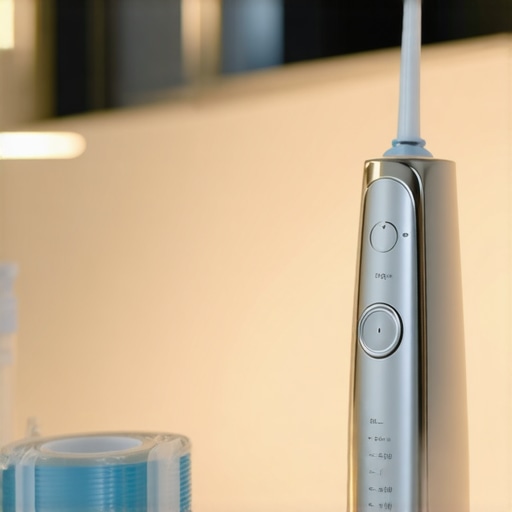
If you have undergone orthodontic movement, maintaining that alignment is another daily battle. Shifting teeth are highly prone to relapse. I make sure to prioritize my aligner cleanliness and structural integrity by using specialized non-abrasive crystals rather than standard toothpaste, which can scratch the plastic and create microscopic traps for bacteria. Following established invisalign maintenance expert tips for clear confident smiles ensures that your aligners remain perfectly clear and hygienic, preventing decay at those tight contact points where your teeth meet.
Looking ahead, the future of home dental maintenance is moving rapidly toward smart diagnostic tools. I predict that within the next few years, we will see consumer-grade, intraoral imaging cameras integrated directly into our electric toothbrushes. These smart brushes will use bio-luminescent sensors to highlight exactly where tartar is beginning to crystallize in real-time, warning you of a tight spot before it ever has the chance to shred your floss or cause localized gum inflammation.
If you are tired of fighting your floss every single night, I challenge you to try just one advanced tip today: swap out your standard nylon string for a single-filament PTFE ribbon, and practice the gentle seesaw glide on your tightest molar. You will be amazed at how a simple shift in material and physical technique can completely eliminate the nightly struggle and protect your teeth from unnecessary wear.
What Experts Won’t Tell You About Tight Teeth and Daily Friction
For years, I believed that if I just pulled harder or bought the most expensive, bulletproof string on the shelf, my flossing troubles would magically vanish. The truth is much more humbling: those tight spots are not a test of physical strength, but a delicate diagnostic map of your mouth. When we try to force our way through, we are often treating the symptom while ignoring the structural changes underneath. If you are constantly shredding your fibers, your teeth are signaling that something in their physical alignment or restoration has shifted. Overcompensating with aggressive scrubbing only damages your gums and wear down expensive cosmetic work, making a gentle, strategic approach absolutely essential.
My Essential Oral Care Toolkit for Tight Spaces
To transition away from the nightly dread of snapped string, I completely revamped the tools on my bathroom counter. Here is the exact setup I trust to maintain tight contacts without causing long-term damage:
- Single-Filament PTFE Tape: Unlike traditional nylon, this flat, slippery ribbon glides through the most stubborn spaces without catching or tearing. This is the secret to floss that doesn’t snap between tight teeth.
- A Professional-Grade Water Flosser: Perfect for clearing out loose debris before manual flossing. It prepares the tight contacts so your tape can slide down with zero resistance.
- Dental Finishing Strips (via Your Provider): If you have a stubborn, sharp filling, a quick visit to have your provider polish the area is a total game-changer. Keeping up with these minor adjustments is why how regular teeth cleaning can prevent major dental issues remains the foundation of a healthy smile.
Take Control of Your Nightly Routine Today
You do not have to accept frayed string, bleeding gums, or constant frustration as a normal part of your evening. By pairing the right single-filament materials with the gentle seesaw technique, you can turn a stressful chore into a seamless, satisfying habit. Remember that your teeth are dynamic, constantly adapting structures. By listening to what they are telling you and utilizing professional-grade care, you will protect your investments and enjoy a healthier, more confident smile for years to come.
Have you ever had one specific tooth that constantly shreds your floss or acts like a microscopic razor blade? Let me know in the comments below, and let’s troubleshoot your tight spots together!