
I used to dread mornings. Every single day, my morning routine began with me leaning over the bathroom sink, tears streaming down my face, fighting off a sudden wave of nausea. All because I made the terrible mistake of trying to clean my back molars. For years, I believed I simply had to choose between proper oral health and my comfort. I even made the massive mistake of skipping those hard-to-reach back teeth for months, which eventually led to a painful cavity and an emergency visit to my dentist. It turns out that a hyperactive gag reflex is incredibly common, but you do not have to suffer through it to keep your smile clean.
Why Brushing Your Teeth Should Not Be a Daily Battle
If you are someone who actively shudders at the thought of a toothbrush heading toward the back of your mouth, you are far from alone. My mission today is to show you that a few simple adjustments can completely transform your daily routine from a stressful ordeal into a painless habit. We are going to tackle the physical triggers and the psychological tricks that actually work. Whether you are simply trying to maintain your daily teeth cleaning routine or trying to figure out how to clean around specialized dental work, there is a better way to do it.
Are some people just genetically doomed to gag while brushing?
It feels like an uphill battle, but the science behind this reflex is fascinating. The gag reflex is actually a highly sophisticated defense mechanism designed to keep us from choking. According to a study published by the National Institutes of Health, the pharyngeal reflex can be triggered by sensory, acoustic, or even purely psychological stimuli. This means your brain can actually trigger a gag response before the toothbrush even touches your tongue. Recognizing that this is a neurological response—and not just you being dramatic—is the first step to overcoming it.
Have you ever had to pull your toothbrush out of your mouth in a panic because your body decided to reject the entire process? I want to hear about your struggles in the comments below. For those who are also navigating orthodontic treatments, learning how to manage this sensitivity is crucial, especially when trying to maintain habits like Invisalign maintenance. Let us dive into the physical adjustments that can make your next brushing session a total breeze.
How to Trick Your Brain and Retrain Your Mouth
Overcoming a sensitive gag reflex is not about willpower; it is about strategic distraction and physical biomechanics. Think of your brain as a highly sensitive home security system. Right now, your toothbrush is tripping the motion sensors and sounding the alarm. To get past the back teeth, you need to input the bypass code before you even lift your brush.
Switch to a Toddler-Sized Toothbrush
This was the single biggest game-changer for me. I used to think that a larger, adult-sized brush head meant a more efficient clean. In reality, it was just a massive physical trigger crowding my throat. I switched to a soft-bristled toddler toothbrush, which has a tiny, rounded head and a much slimmer profile. By reducing the physical footprint of the brush, I suddenly had plenty of clearance space around my back molars. It turns out that why your dental hygienist told you to stop using hard-bristled toothbrushes also ties into choosing a smaller, softer brush head: it protects your gums while giving you much better maneuverability in tight spaces.
Make a Tight Fist with Your Left Hand
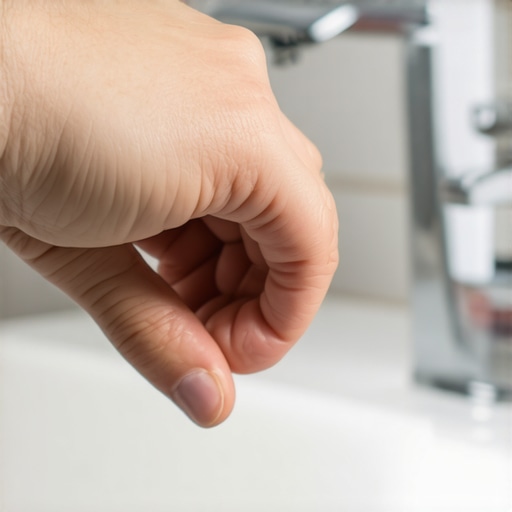
It sounds like absolute voodoo, but there is a fascinating neurological trick that dentists have used for decades. Take your non-dominant hand, tuck your thumb inside your palm, and squeeze your fingers over it to make a tight fist. Squeezing this thumb reflex point distracts your central nervous system. I remember the first morning I tried this. I was standing over my sink, squeezing my left hand so hard my knuckles turned white, while gently brushing my upper right molar with my right hand. To my absolute shock, I did not gag once. The brain struggles to process intense sensory input from two separate nerve pathways at the same time, effectively muting the throat reflex. It is a brilliant way to maintain your teeth cleaning routine for long term health without constant physical distress.
Breathe Exclusively Through Your Nose
When you breathe through your mouth while brushing, you lower your soft palate, which actually makes it much easier for the toothbrush to make contact with the trigger zones. To prevent this, consciously focus on taking slow, deep, rhythmic breaths through your nose. If you find yourself struggling to breathe solely through your nose, try humming a constant, low tune. You cannot physically hum and gag at the same time because humming forces a continuous stream of air outward, keeping your throat open and relaxed.
Apply the Right Pressure Without Triggering Panic
People often panic and scrub aggressively to get the job done quickly, but this backfires by irritating the sensitive tissues. Slow down and use light, circular motions instead. This is especially true if you are wearing clear aligners, as maintaining gentle hygiene habits prevents you from damaging your dental work. If you are currently undergoing orthodontic treatment, keeping the mouth relaxed is essential, and you might also want to learn how to stop your invisalign trays from smelling like plastic to keep your entire orthodontic experience as pleasant and fresh as possible.
When we struggle with a sensitive gag reflex, we naturally focus on the mechanics of our morning routine. However, there is a massive contrarian truth that most people—and even some general practitioners—completely overlook. Everyone tells you to brush longer, harder, and more thoroughly to compensate for the areas you miss when you gag. In my experience, aggressive brushing is actually the worst thing you can do. It does not make your mouth cleaner; instead, it slowly destroys your protective tooth enamel and irritates the very nerve pathways that trigger your throat spasms in the first place.
Why does aggressive scrubbing make your teeth look worse over time?
Many patients believe that vigorous scrubbing is the key to removing stubborn plaque and surface stains. This is a dangerous trap. According to clinical research published by the Journal of Clinical Periodontology, excessive brushing force is directly linked to gingival recession and cervical wear. When you scrub aggressively, you wear down the translucent enamel, exposing the yellow dentin underneath. The result? Your teeth actually end up looking darker and more discolored. If you have noticed this shift, you might be wondering why your teeth look grey instead of yellow and what it means for your overall health. Over-brushing also leaves your gum line raw and tender, making future brushing sessions even more painful and highly prone to triggering that dreaded gag reflex.
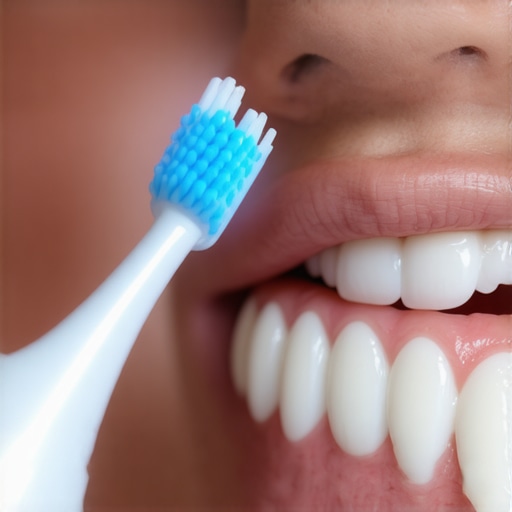
This dynamic becomes even more complicated when you introduce modern orthodontic treatments. If you are wearing clear aligners, you are likely brushing your teeth multiple times a day after every single meal. If you apply too much force during these frequent sessions, you compound the wear on your enamel. Understanding the nuances of Invisalign maintenance means recognizing that keeping your aligners clean should never come at the cost of your natural tooth structure. If you are not careful, you might also find yourself dealing with structural issues, such as noticing the reason your teeth feel thin near the gum line when you brush, which is a classic sign of toothbrush abrasion.
Instead of relying on brute force, the secret lies in choosing the right tools and techniques that work in harmony with your biology. Modern dental professionals prioritize gentle, highly targeted care over aggressive scrubbing. Exploring modern teeth cleaning innovations that reduce sensitivity and boost results can show you how smart technology does the hard work for you, protecting your gums while ensuring a spotless clean. Have you ever fallen into the trap of brushing harder to make up for a quick session? Let me know in the comments below, and let us discuss how you can transition to a safer, more effective routine.
Retraining your nervous system is a process that requires the right tools, not just sheer willpower. Over the last few years, I have carefully refined my personal dental toolkit to keep my mouth clean without triggering that terrible panic response. If you are struggling to keep your mouth healthy, investing in a few highly specific tools will completely change how you approach your daily routine.
The Personal Tools That Saved My Morning Routine
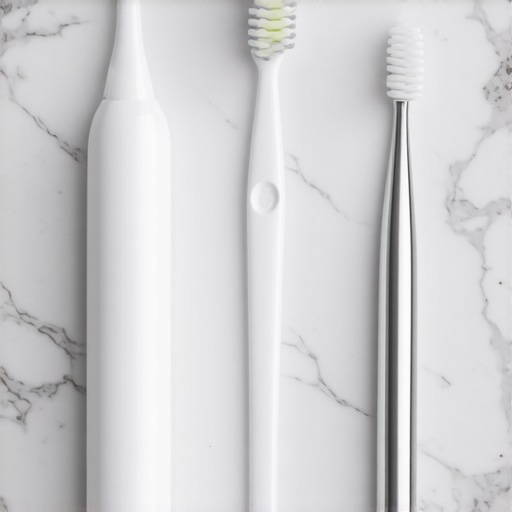
I completely threw out standard store-bought manual toothbrushes and heavy, vibrating electric models that felt like jackhammers in my mouth. Instead, I now rely on a ultra-soft, compact-head electric toothbrush set to its lowest sensitive frequency. This gives me the micro-vibrations needed to break up plaque without requiring aggressive hand movements that might slip and strike the back of my throat. I also swear by a high-quality water flosser, which allows me to clean hard-to-reach areas around my molars without inserting bulky plastic tools into my mouth. This tech-forward approach is a pillar of maintaining your teeth cleaning routine for long term health while keeping physical triggers to an absolute minimum.
How do I maintain oral hygiene over time without triggering my reflex?
The secret is consistency and progressive desensitization. You cannot expect to cure a sensitive throat overnight. Start by thoroughly cleaning only your front teeth, slowly moving one millimeter further back each week. When you couple this slow physical progression with a mild, non-foaming toothpaste, you bypass the typical sensory overload. Standard toothpastes use sodium lauryl sulfate (SLS) to create a thick foam, which heavily triggers the gag reflex. Switching to an SLS-free, low-foaming formula keeps your airways clear and your mind calm.
Looking ahead, I predict that dental technology will focus heavily on customizing tools for sensitive patients. We are already seeing the beginning of this trend with smart brushes that map your mouth and suggest gentler pathways. For those wearing clear aligners, managing daily maintenance is becoming much more seamless. If you are currently on this path, understanding the best practices for Invisalign maintenance will ensure your treatment remains comfortable and hygienic from day one to your final aligner tray.
My favorite advanced trick is using a specialized, ultra-thin tongue scraper made of surgical steel rather than bulky plastic. According to a study published by the Journal of American Dental Association, scraping the tongue is significantly more effective at reducing volatile sulfur compounds than brushing alone, yet many avoid it due to gagging. If you place the scraper gently on the tip of your tongue and hum while pulling it forward, you will bypass the reflex entirely. Try this exact humming trick tonight during your evening routine—you will be amazed at how easily your body adapts.
Overcoming a hyperactive throat reflex is not a matter of trying harder; it is a matter of changing your mechanics entirely. For years, I believed I was just biologically incompatible with proper oral hygiene. But once I realized the reflex is just a misfired defense signal, I stopped fighting my body and started outsmarting it.
The Hardest Lesson I Learned About Forcing My Way Through Dental Anxiety
When you struggle with a sensitive throat, your natural instinct is to rush. I used to think that scrubbing as fast and hard as possible was the only way to get the job done before the panic set in. That was a massive mistake. Aggressive, frantic brushing doesn’t actually clean your teeth better; it simply wears down your enamel and irritates your gums, which eventually makes your mouth even more sensitive to future cleanings.
- Speed is your enemy: Rushing makes your movements erratic, which increases the chance of accidentally bumping your tongue or soft palate.
- Slowing down calms the nerves: Deliberate, slow movements signal to your brain that there is no choking hazard, preventing the panic loop.
- Desensitization takes time: Gradually moving your brush back by just a millimeter each week is far more effective than trying to force a deep clean all at once.
By shifting to a mindful, slow approach, you protect your smile while retraining your nervous system. This is especially vital if you are trying to keep up with daily maintaining your teeth cleaning routine for long term health without constant physical distress.
My Essential Daily Toolkit for Sensitive Mouths
You do not have to rely on willpower alone when you have the right gear. Over the years, I have curated a highly specific lineup of tools that keep my oral hygiene on track without ever triggering a gag response:
- A Toddler-Sized, Soft-Bristled Brush: The smaller brush head gives you maximum clearance around back molars, while the soft bristles prevent gum wear. If you have been told to make this switch, you already know why your dental hygienist told you to stop using hard-bristled toothbrushes for your overall gum health.
- An SLS-Free Toothpaste: Eliminating sodium lauryl sulfate stops the heavy foaming action that fills your throat and triggers the choking reflex.
- A High-Quality Water Flosser: This tool allows you to blast away debris from hard-to-reach areas around back teeth and orthodontic work without inserting bulky plastic deep into your mouth, which is a massive win for Invisalign maintenance.
Your Turn to Reclaim Your Morning Routine
It is time to stop dreading the bathroom sink. By using physical distractions like squeezing your left thumb in a tight fist, breathing rhythmically through your nose, and upgrading to smaller, specialized tools, you can completely eliminate the anxiety of daily brushing. You deserve to enjoy a healthy, fresh smile without the daily battle. Take it one slow step at a time, and let your body adapt naturally.
Have you ever had to stop brushing halfway through because of a sudden gag reflex? Let me know which of these tricks you are going to try first in the comments below!