
I remember sitting on my living room couch three weeks after my surgery, staring intensely into a small handheld mirror and gently tapping my front tooth with the back of a plastic spoon. I was absolutely terrified. I had convinced myself that the titanium post inside my jaw was slipping. My mind raced with questions: Was that tiny sensation normal, or was my body rejecting the whole thing? Early on, I made the classic rookie mistake of constantly wiggling my tongue against the healing site just to ‘test’ it. Let me tell you right now: do not do that. It is one of the easiest ways to disrupt the delicate healing process before the bone even has a chance to grab hold. Today, we are going to clear up that agonizing guesswork and walk through the exact physical signs that prove your implant is becoming a permanent part of your smile.
After investing so much time, energy, and hope into restoring your teeth, waiting for osseointegration—the fancy scientific term for bone fusing to titanium—can feel like watching paint dry, only with way more anxiety. If you have ever worried about the long-term journey of missing teeth, you might even wonder what happens if you leave a dental implant gap for too long before getting help. But if you have already taken the plunge, you deserve to know exactly what is happening under the surface without constantly stressing over every minor sensation.
The Quiet Magic of Osseointegration
Historically, the discovery of bone fusing to titanium was actually an accidental breakthrough made by a Swedish researcher in the 1950s who realized he couldn’t remove titanium chambers from rabbit bones. Today, this biological marvel is why dental implants boast a success rate of over 95% according to clinical studies by the International Congress of Oral Implantologists. But knowing the statistics does not stop your brain from worrying at 2 AM. When your implant is successfully fusing, the most telling sign is actually a complete lack of feeling. You should not feel it shifting, slipping, or vibrating when you speak or chew. If you are experiencing strange sensations, you might find comfort in learning why your dental implant feels like it is vibrating when you hum, which is often just natural acoustic resonance through your jawbone rather than a loose post. Fully integrated implants feel solid, silent, and entirely like a natural part of your mouth.
Is this massive dental investment actually worth all the hype and anxiety?
I get it. The process is long, expensive, and sometimes emotionally exhausting. You might find yourself questioning the decision entirely, especially when comparing it to other treatments or remembering the simple days of a routine teeth cleaning session. But once that bone locks the titanium post into place, the stability you get back is unmatched. Have you ever spent weeks obsessively checking your gums in the mirror, convinced something was going wrong? Drop a comment below and let me know, because we have all been there. Now that we understand why this fusion is such a game-changer, let us dive into the everyday physical signs and simple tests that will give you absolute peace of mind that your implant is locked in for good.
What Successful Healing Actually Feels Like on a Daily Basis
When you are in the thick of the recovery phase, you need concrete ways to measure progress without driving yourself crazy. Think of your healing jawbone like wet concrete setting around a heavy steel fence post. In the first few days, any sudden nudge can ruin the alignment. But as the weeks pass, that concrete hardens until the post and the ground become one single, immovable unit. This is exactly what is happening inside your mouth. Your job is to monitor this process without interfering. During my own recovery, I tracked three specific physical markers every morning, which saved me from making constant emergency calls to my dentist.
Look for the Natural Pink Seal
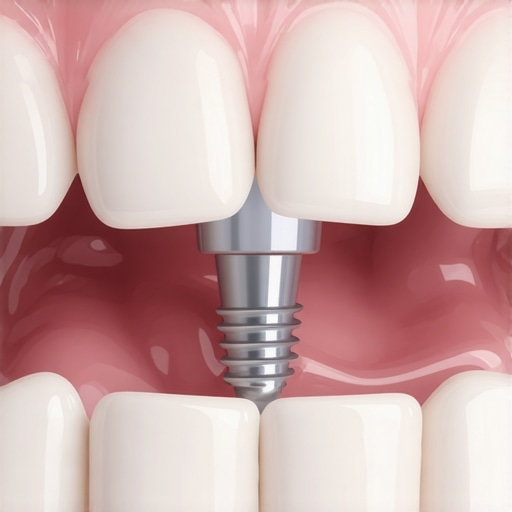
The first physical sign of success is the color and texture of your gum tissue. Healthy gums should tightly hug the healing collar or the temporary crown. They should look light pink, firm, and completely free of any puffiness. If you notice a dark red color or a spongy texture, your body might still be fighting off local bacteria. Keeping this area clean is a delicate balance. While you cannot scrub the site with a hard brush, maintaining a clean environment is vital. Many patients find that understanding how regular teeth cleaning can prevent major dental issues helps them appreciate the delicate nature of oral hygiene during this vulnerable transition. If your gums are pale pink and tight, the bone underneath is likely undisturbed and fusing perfectly.
The Cold Air Breath Test
Another incredibly simple way to test your progress is by paying attention to temperature changes. When you breathe in a deep breath of cool air, or drink room-temperature water, you should feel absolutely nothing unusual at the implant site. If you do feel a sharp, cold sensation, it often indicates that the nerve of an adjacent tooth is irritated, or the implant structure is exposing sensitive areas. In fact, many people panic when they breathe in cold air and feel a chill, but knowing what to do if your dental implant feels cold when you breathe in can help you distinguish between normal healing adjustments and actual structural issues. A quiet, non-reactive implant is a successful one.
Gradual Transition to Solid Foods
Perhaps the ultimate test of osseointegration is how the site handles minor, passive pressure. Obviously, you should not be chewing hard candy or tough meats on a healing post. However, by week six or eight, you should be able to swallow soft foods without a second thought. I remember the absolute terror I felt the first time a stray piece of pasta accidentally drifted over to my implant side. I braced for pain, but there was none. It felt completely solid, like biting down on a natural tooth. This seamless transition is a major indicator of success. Once you are fully cleared by your dentist, you can begin enjoying normal meals again, even learning the secret to eating steak comfortably with a new dental implant to fully reclaim your lifestyle.
Why More Pressure Isn’t Always Better for Fast Bone Healing
When it comes to dental implants, a dangerous myth persists that you need to ‘work’ the area to stimulate the jaw. Many patients believe that lightly tapping the healing post or testing it with harder foods speeds up bone growth. In my experience, this is the worst thing you can do. Bone remodeling is a incredibly delicate biological process. Micro-movements as tiny as 150 microns can trigger your body to grow fibrous tissue instead of solid bone around the titanium post, leading to early failure. The best approach is absolute, passive rest for the first eight weeks. Let your body do the heavy lifting without your tongue or utensils getting in the way.
What is the biggest mistake people make during active orthodontic and cosmetic recovery?
The single greatest trap is neglecting routine maintenance under the assumption that artificial structures cannot fail. Whether you are dealing with implants, crowns, or aligning your smile, keeping the surrounding tissues immaculate is non-negotiable. For instance, those undergoing clear aligner therapy often focus solely on the plastic trays. However, failing to prioritize invisalign maintenance expert tips for clear confident smiles can trap active plaque against your enamel, accelerating decay. The same rule applies to implants. According to a landmark study by the American Academy of Periodontology, peri-implantitis—an inflammatory disease affecting the tissue and bone around an implant—is almost entirely preventable through meticulous hygiene. You cannot skip your professional hygiene appointments just because your new teeth are made of porcelain and titanium.
The Traps of DIY Maintenance and Cosmetic Shortcuts
In our quest for a perfect smile, it is easy to fall for quick fixes or skip essential cleanings. Many people think they can manage their oral health at home with over-the-counter tools. For example, buying dental scalers online to scrape your own teeth is a recipe for disaster; you risk permanently scratching your enamel and damaging the delicate mucosal seal around your implant. Even during routine orthodontic care, simple oversights happen. If you do not clean your appliances correctly, they quickly become breeding grounds for harmful bacteria. Learning how to prevent your in-visalign trays from smelling like old socks is not just about keeping your breath fresh—it is about protecting your entire mouth from pathogenic biofilms that threaten your healing bone. If you want cosmetic enhancements that actually last, you must build them on a foundation of pristine oral health, which starts with maintaining your teeth cleaning routine for long term health. Have you ever fallen into this trap of trying a risky dental shortcut or skipping a cleaning? Let me know in the comments below!
My Personal Toolkit for Keeping Everything in Perfect Alignment
Once you survive the initial recovery and the osseointegration phase is complete, the real work actually begins. I used to think that paying for premium cosmetic dentistry or implants meant I was off the hook for daily maintenance. That is a dangerous illusion. Just like a luxury sports car, high-end dental work requires a highly specific maintenance routine if you want it to last a lifetime. Over the years, I have refined my daily arsenal down to a few indispensable tools that I personally use every single morning and night.
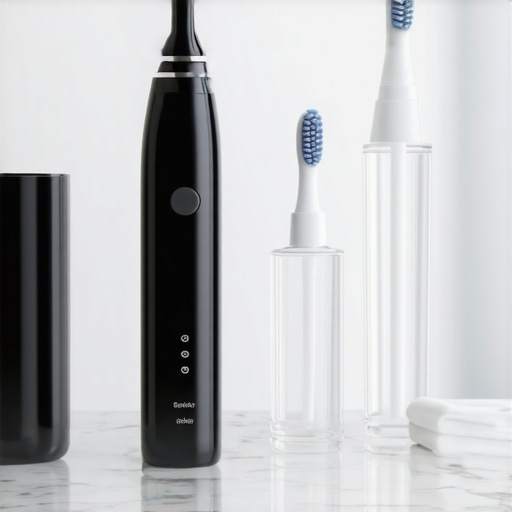
First, I threw away my manual brush. I switched to an sonic toothbrush with a built-in pressure sensor. Why? Because aggressive brushing actually destroys the delicate tissue seal around implants and veneers. I also introduced a specialized water flosser equipped with a soft, rubber-tipped orthodontic nozzle. This is critical because standard string floss can sometimes shred against tight contacts or leave behind tiny fibers that irritate your gums. By using these tools daily, you can keep your oral ecosystem pristine and secure your investment for the long haul.
How do I maintain my dental restorations and cosmetic work over time?
Maintaining your smile over time requires a strict blend of specialized home care and routine clinical supervision. You cannot rely on brushing alone. You must actively prevent biofilm accumulation using non-abrasive fluoridated pastes and clean your custom appliances daily to avoid structural wear. More importantly, you must stay committed to professional cleanings. Many patients do not realize that maintaining your teeth cleaning routine for long term health is the absolute bedrock of preventing peri-implantitis and bone loss. No matter how advanced your home care is, professional scaling is the only way to clear calcified deposits from hard-to-reach areas around your restorations.
The Next Frontier of Smart Smile Technology
If you think dental tech has peaked with electric toothbrushes, think again. The entire field of oral health is moving toward highly personalized, real-time diagnostic tools. We are already beginning to see the integration of smart mouthguards and aligners equipped with micro-sensors that analyze your saliva’s pH levels and bacterial load overnight. This means your phone could alert you to a potential localized infection long before you feel any physical discomfort. According to research published by the International Journal of Oral Science, saliva-based biosensors will soon revolutionize how we monitor active bone density and tissue health around implants.
This shift toward proactive, data-driven wellness is also changing how we approach structural alignment. People are moving away from traditional metal appliances in favor of smart, removable solutions. When you look at how far clear aligners have come, it is easy to understand why invisalign is the future of clear braces. The predictability of digital planning software allows you to map out your final smile before you even start, making the entire transformation incredibly efficient. If you want to keep your smile looking pristine, my challenge to you today is to try this advanced tip: swap your standard mouthwash for a alcohol-free, pH-neutral rinse to protect your cosmetic bonding from chemical degradation. Your smile will thank you.
I remember sitting on my living room couch three weeks after my surgery, staring intensely into a small handheld mirror and gently tapping my front tooth with the back of a plastic spoon. I was absolutely terrified. I had convinced myself that the titanium post inside my jaw was slipping. My mind raced with questions: Was that tiny sensation normal, or was my body rejecting the whole thing? Early on, I made the classic rookie mistake of constantly wiggling my tongue against the healing site just to ‘test’ it. Let me tell you right now: do not do that. It is one of the easiest ways to disrupt the delicate healing process before the bone even has a chance to grab hold. Today, we are going to clear up that agonizing guesswork and walk through the exact physical signs that prove your implant is becoming a permanent part of your smile.
After investing so much time, energy, and hope into restoring your teeth, waiting for osseointegration—the fancy scientific term for bone fusing to titanium—can feel like watching paint dry, only with way more anxiety. If you have ever worried about the long-term journey of missing teeth, you might even wonder what happens if you leave a dental implant gap for too long before getting help. But if you have already taken the plunge, you deserve to know exactly what is happening under the surface without constantly stressing over every minor sensation.
The Quiet Magic of Osseointegration
Historically, the discovery of bone fusing to titanium was actually an accidental breakthrough made by a Swedish researcher in the 1950s who realized he couldn’t remove titanium chambers from rabbit bones. Today, this biological marvel is why dental implants boast a success rate of over 95% according to clinical studies by the International Congress of Oral Implantologists. But knowing the statistics does not stop your brain from worrying at 2 AM. When your implant is successfully fusing, the most telling sign is actually a complete lack of feeling. You should not feel it shifting, slipping, or vibrating when you speak or chew. If you are experiencing strange sensations, you might find comfort in learning why your dental implant feels like it is vibrating when you hum, which is often just natural acoustic resonance through your jawbone rather than a loose post. Fully integrated implants feel solid, silent, and entirely like a natural part of your mouth.
Is this massive dental investment actually worth all the hype and anxiety?
I get it. The process is long, expensive, and sometimes emotionally exhausting. You might find yourself questioning the decision entirely, especially when comparing it to other treatments or remembering the simple days of a routine teeth cleaning session. But once that bone locks the titanium post into place, the stability you get back is unmatched. Have you ever spent weeks obsessively checking your gums in the mirror, convinced something was going wrong? Drop a comment below and let me know, because we have all been there. Now that we understand why this fusion is such a game-changer, let us dive into the everyday physical signs and simple tests that will give you absolute peace of mind that your implant is locked in for good.
What Successful Healing Actually Feels Like on a Daily Basis
When you are in the thick of the recovery phase, you need concrete ways to measure progress without driving yourself crazy. Think of your healing jawbone like wet concrete setting around a heavy steel fence post. In the first few days, any sudden nudge can ruin the alignment. But as the weeks pass, that concrete hardens until the post and the ground become one single, immovable unit. This is exactly what is happening inside your mouth. Your job is to monitor this process without interfering. During my own recovery, I tracked three specific physical markers every morning, which saved me from making constant emergency calls to my dentist.
Look for the Natural Pink Seal
The first physical sign of success is the color and texture of your gum tissue. Healthy gums should tightly hug the healing collar or the temporary crown. They should look light pink, firm, and completely free of any puffiness. If you notice a dark red color or a spongy texture, your body might still be fighting off local bacteria. Keeping this area clean is a delicate balance. While you cannot scrub the site with a hard brush, maintaining a clean environment is vital. Many patients find that understanding how regular teeth cleaning can prevent major dental issues helps them appreciate the delicate nature of oral hygiene during this vulnerable transition. If your gums are pale pink and tight, the bone underneath is likely undisturbed and fusing perfectly.
The Cold Air Breath Test
Another incredibly simple way to test your progress is by paying attention to temperature changes. When you breathe in a deep breath of cool air, or drink room-temperature water, you should feel absolutely nothing unusual at the implant site. If you do feel a sharp, cold sensation, it often indicates that the nerve of an adjacent tooth is irritated, or the implant structure is exposing sensitive areas. In fact, many people panic when they breathe in cold air and feel a chill, but knowing what to do if your dental implant feels cold when you breathe in can help you distinguish between normal healing adjustments and actual structural issues. A quiet, non-reactive implant is a successful one.
Gradual Transition to Solid Foods
Perhaps the ultimate test of osseointegration is how the site handles minor, passive pressure. Obviously, you should not be chewing hard candy or tough meats on a healing post. However, by week six or eight, you should be able to swallow soft foods without a second thought. I remember the absolute terror I felt the first time a stray piece of pasta accidentally drifted over to my implant side. I braced for pain, but there was none. It felt completely solid, like biting down on a natural tooth. This seamless transition is a major indicator of success. Once you are fully cleared by your dentist, you can begin enjoying normal meals again, even learning the secret to eating steak comfortably with a new dental implant to fully reclaim your lifestyle.
Why More Pressure Isn’t Always Better for Fast Bone Healing
When it comes to dental implants, a dangerous myth persists that you need to ‘work’ the area to stimulate the jaw. Many patients believe that lightly tapping the healing post or testing it with harder foods speeds up bone growth. In my experience, this is the worst thing you can do. Bone remodeling is a incredibly delicate biological process. Micro-movements as tiny as 150 microns can trigger your body to grow fibrous tissue instead of solid bone around the titanium post, leading to early failure. The best approach is absolute, passive rest for the first eight weeks. Let your body do the heavy lifting without your tongue or utensils getting in the way.
What is the biggest mistake people make during active orthodontic and cosmetic recovery?
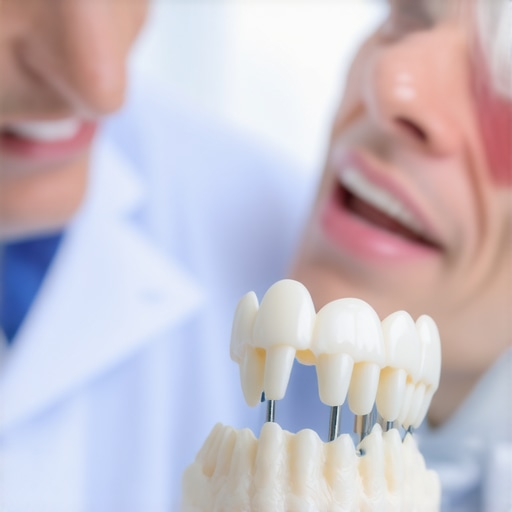
The single greatest trap is neglecting routine maintenance under the assumption that artificial structures cannot fail. Whether you are dealing with implants, crowns, or aligning your smile, keeping the surrounding tissues immaculate is non-negotiable. For instance, those undergoing clear aligner therapy often focus solely on the plastic trays. However, failing to prioritize invisalign maintenance expert tips for clear confident smiles can trap active plaque against your enamel, accelerating decay. The same rule applies to implants. According to a landmark study by the American Academy of Periodontology, peri-implantitis—an inflammatory disease affecting the tissue and bone around an implant—is almost entirely preventable through meticulous hygiene. You cannot skip your professional hygiene appointments just because your new teeth are made of porcelain and titanium.
The Traps of DIY Maintenance and Cosmetic Shortcuts
In our quest for a perfect smile, it is easy to fall for quick fixes or skip essential cleanings. Many people think they can manage their oral health at home with over-the-counter tools. For example, buying dental scalers online to scrape your own teeth is a recipe for disaster; you risk permanently scratching your enamel and damaging the delicate mucosal seal around your implant. Even during routine orthodontic care, simple oversights happen. If you do not clean your appliances correctly, they quickly become breeding grounds for harmful bacteria. Learning how to prevent your in-visalign trays from smelling like old socks is not just about keeping your breath fresh—it is about protecting your entire mouth from pathogenic biofilms that threaten your healing bone. If you want cosmetic enhancements that actually last, you must build them on a foundation of pristine oral health, which starts with maintaining your teeth cleaning routine for long term health. Have you ever fallen into this trap of trying a risky dental shortcut or skipping a cleaning? Let me know in the comments below!
My Personal Toolkit for Keeping Everything in Perfect Alignment
Once you survive the initial recovery and the osseointegration phase is complete, the real work actually begins. I used to think that paying for premium cosmetic dentistry or implants meant I was off the hook for daily maintenance. That is a dangerous illusion. Just like a luxury sports car, high-end dental work requires a highly specific maintenance routine if you want it to last a lifetime. Over the years, I have refined my daily arsenal down to a few indispensable tools that I personally use every single morning and night.
First, I threw away my manual brush. I switched to an sonic toothbrush with a built-in pressure sensor. Why? Because aggressive brushing actually destroys the delicate tissue seal around implants and veneers. I also introduced a specialized water flosser equipped with a soft, rubber-tipped orthodontic nozzle. This is critical because standard string floss can sometimes shred against tight contacts or leave behind tiny fibers that irritate your gums. By using these tools daily, you can keep your oral ecosystem pristine and secure your investment for the long haul.
How do I maintain my dental restorations and cosmetic work over time?
Maintaining your smile over time requires a strict blend of specialized home care and routine clinical supervision. You cannot rely on brushing alone. You must actively prevent biofilm accumulation using non-abrasive fluoridated pastes and clean your custom appliances daily to avoid structural wear. More importantly, you must stay committed to professional cleanings. Many patients do not realize that maintaining your teeth cleaning routine for long term health is the absolute bedrock of preventing peri-implantitis and bone loss. No matter how advanced your home care is, professional scaling is the only way to clear calcified deposits from hard-to-reach areas around your restorations.
The Next Frontier of Smart Smile Technology
If you think dental tech has peaked with electric toothbrushes, think again. The entire field of oral health is moving toward highly personalized, real-time diagnostic tools. We are already beginning to see the integration of smart mouthguards and aligners equipped with micro-sensors that analyze your saliva’s pH levels and bacterial load overnight. This means your phone could alert you to a potential localized infection long before you feel any physical discomfort. According to research published by the International Journal of Oral Science, saliva-based biosensors will soon revolutionize how we monitor active bone density and tissue health around implants.
This shift toward proactive, data-driven wellness is also changing how we approach structural alignment. People are moving away from traditional metal appliances in favor of smart, removable solutions. When you look at how far clear aligners have come, it is easy to understand why invisalign is the future of clear braces. The predictability of digital planning software allows you to map out your final smile before you even start, making the entire transformation incredibly efficient. If you want to keep your smile looking pristine, my challenge to you today is to try this advanced tip: swap your standard mouthwash for a alcohol-free, pH-neutral rinse to protect your cosmetic bonding from chemical degradation. Your smile will thank you.
The Hardest Lessons Learned from My Own Dental Journey
Looking back, the biggest shock wasn’t the dentist’s drill or the cost of the surgery—it was how much of a psychological game dental recovery really is. First, I realized that modern cosmetic dentistry is incredibly resilient, but it is not completely indestructible. If you continuously treat your mouth like a bottle opener, your investment won’t last. Second, I learned that a minor, short-term lifestyle adjustment during the active recovery phase saves you years of corrective procedures later on. Finally, I discovered that finding a highly skilled dentist who listens to your anxiety is just as crucial as finding one with great surgical hands.
My Recommended Survival Tools for Smooth Healing
If you are on your way to restoring your smile, these are the few items that got me through my worst recovery days and kept me on track:
- pH-Balanced Alcohol-Free Rinses: Essential for preventing bacterial buildup without drying out healing tissues or causing painful stinging.
- Water Flossers with Specialized Orthodontic Tips: Ideal for gently flushing away soft food debris from healing margins without disrupting the newly forming gum seal.
- Premium Custom Cleaning Brushes: Investing in ultra-soft, micro-bristle manual brushes is a lifesaver for those hard-to-reach restorative borders where regular bristles are too aggressive.
Your Path to a Confident Life-Changing Smile
Embarking on any major dental transformation can feel overwhelming, but nothing beats the sheer joy of biting into your favorite food again or smiling widely in photos without a second thought. Take it one single day at a time, trust the natural biological timeline, and always secure your progress with consistent teeth cleaning habits. Your dream smile is well within reach, and the peace of mind you gain is absolutely worth the effort.
Have you ever struggled with the anxiety of a healing dental implant or cosmetic procedure? Let me know your experience in the comments below!