
I remember staring into the rearview mirror, checking my teeth after a lunch date, and feeling a pit in my stomach. It wasn’t a piece of spinach or a stray peppercorn. It was the tooth itself. My front left lateral incisor, the one that had been saved by a root canal three years prior, had slowly morphed into a dull, moody grey. It looked like a bruise that refused to heal. I felt like every person I talked to was staring at that one dark spot instead of listening to me. I was so desperate I actually made the mistake of using baking soda to scrub away surface stains, which was a huge mistake that only made my gums sore and did absolutely nothing for the color. If you have ever felt like your smile has a dead zone, I am here to tell you that we can fix it, and it is a lot more straightforward than the internet might lead you to believe. Today, we are going to dive into the specific ways we can lift that shadow and restore your confidence. Have you ever felt the need to hide your smile in photos because of one stubborn, dark tooth?
The Bruised Smile You Never Expected
When my dentist first told me I needed a root canal, I was just happy to be out of pain. I didn’t realize that by removing the living pulp, the tooth essentially becomes non-vital. Over time, internal staining can happen from the inside out. According to the American Association of Endodontists, this discoloration often occurs when blood components or medicaments are left inside the tooth during the procedure, which then seep into the dentin. It is basically an internal stain that no amount of external whitening strips will ever touch. I wasted so much money on over-the-counter kits before I realized I was fighting an uphill battle. If you are currently in that cycle, stop now and look into the ultimate guide to teeth whitening and cosmetic enhancements to see why internal issues require a different approach. The good news is that modern cosmetic dentistry for discolored teeth has advanced so much that you do not have to live with a ‘zombie tooth’ anymore. We can use techniques like internal bleaching, where the whitening agent is placed inside the tooth, or we can look at options like veneers.
Is This Cosmetic Fix Just a Waste of Money?
I get the skepticism. When you have already paid for a root canal, the last thing you want to do is throw more money at a tooth that is technically ‘dead.’ You might wonder if it is better to just ignore it or if the results will even last. From my own experience, the psychological boost of not having to ‘slant’ my face during selfies was worth every penny. If you are worried about the cost or the process, finding a dentist who gets your smile is the first step to feeling comfortable with the investment. We often think a crown is the only answer, but sometimes we can match one single veneer to your slightly yellow natural teeth so perfectly that no one—not even you—will remember which tooth was the grey one. It is about more than just vanity; it is about feeling like your outside reflects the vibrant person you are on the inside.
The Internal Bleach Strategy That Actually Works
If external strips are like painting the outside of a dirty window, internal bleaching is like cleaning the glass from the inside out. Since the discoloration is trapped within the dentin, your dentist needs to access the tooth’s hollow interior—the same space where the root canal happened. I’ll never forget the afternoon my dentist suggested this ‘walking bleach’ technique. I’d spent weeks trying every drugstore strip available, only to end up with whitening gel making my gums turn white while the tooth stayed dark. When we finally did the internal treatment, it was like someone finally turned the lights on in a dark room. The process involved reopening the tiny access hole from my root canal and placing a specialized whitening agent inside for a few days.
Dealing with Stains That Refuse to Budge
Sometimes, the trauma to the tooth or the specific chemicals used during the original surgery leave a stain so stubborn that bleach won’t cut it. This is where cosmetic dentistry trends that transform smiles today really shine. If the tooth has become brittle, a crown might be necessary, but if it is just a color issue, a porcelain veneer is a much less invasive ‘mask.’ Think of it as a custom-made porcelain shield that hides the darkness. The real magic happens when you match one single veneer to your slightly yellow natural teeth. I saw a patient once who insisted on the brightest white possible for their one dark tooth, and it ended up looking like a glowing chiclet compared to the rest of her smile. You want a dentist who understands shade gradients and translucency so the fix doesn’t scream ‘fake.’
How to Match a Single Veneer Without Looking Fake
The technical hurdle is that a dark tooth can show through a thin veneer. To prevent this, your dentist might use an opaque layer of bonding before applying the porcelain. It is like using a high-quality primer before painting a dark wall a lighter color. This layering ensures that the ‘dead’ grey doesn’t seep through and ruin the aesthetic. If you are also dealing with crowding or gaps, choosing the best invisalign options for your lifestyle can help align your teeth so that light hits the surfaces more evenly, which naturally masks minor color discrepancies.
Why Professional Maintenance Keeps the Results Sharp
Once you have invested in fixing that shadow, the work doesn’t stop. Non-vital teeth can be more porous or prone to future shifts if the surrounding health declines. You need to stay on top of your hygiene to ensure the surrounding gum tissue stays healthy, which keeps the margin of your veneer or crown invisible. Looking into modern teeth cleaning innovations that reduce sensitivity and boost results can make these maintenance visits much more comfortable. I used to skip cleanings because I was afraid of the sensitivity, but teeth cleaning secrets like ultrasonic scalers have changed the game for me. Regular care is the only way to ensure that the real reason your coffee stains come back doesn’t ruin the symmetry you worked so hard to achieve.
While many people believe that a single internal bleach or a porcelain veneer is the final destination for a ‘dead’ tooth, the reality is far more nuanced. We often fall into the trap of thinking that once the aesthetic is fixed, the biological maintenance stops. In my experience, the biggest mistake patients make is assuming that a non-vital tooth—the one that had the root canal—is now invincible because it can no longer feel pain. This couldn’t be further from the truth. In fact, these teeth can be more susceptible to structural issues, which is why cosmetic dentistry myths debunked by top dentists often emphasize that the health of the surrounding bone and gum tissue is what actually keeps that beautiful veneer in place. If you ignore the foundation, even the most expensive cosmetic work will eventually fail.
Why Aggressive Scrubbing Destroys Your Progress
One of the most common contrarian views I hold is that ‘squeaky clean’ isn’t always healthy. I see so many people come in with beautiful new dental work only to ruin it by being too aggressive. They use abrasive charcoals or stiff brushes, thinking they are protecting their investment. However, a study published in the Journal of Dentistry highlights that abrasive whitening pastes can actually increase the tooth’s susceptibility to future staining by creating micro-fissures in the enamel. This is why you might notice why your teeth feel furry only four hours after cleaning; you’ve actually created a rougher surface for biofilm to latch onto. Instead of scrubbing harder, look into modern teeth cleaning innovations that reduce sensitivity and boost results to maintain that glass-like finish without the damage.
Why Does Your Tooth Feel Loose During Alignment?
If you are using clear aligners to fix a slanted smile or minor crowding, you might experience a moment of panic when a tooth feels slightly mobile. This is a sophisticated nuance of the biological process of ‘bone remodeling.’ For a tooth to move, the bone around it must literally break down and rebuild. It is perfectly normal, but it’s a ‘trap’ for the uninitiated who might stop wearing their trays out of fear. Understanding the truth about why your front teeth feel loose on invisalign tray swap days can save you a lot of anxiety. The real danger isn’t the looseness; it’s the bacteria trapped in the trays. If you aren’t careful, you’ll find why your invisalign trays have a weird smell no matter how much you soak them, which is often a sign of bacterial buildup that can lead to demineralization around your expensive cosmetic work.
The ‘oops’ factor usually happens in the bathroom, not the dentist’s chair. It’s using the wrong cleaner on your aligners or skipping the rinse after a cup of coffee. I’ve seen patients spend thousands on choosing the best invisalign options for your lifestyle only to have their progress slowed by poor hygiene habits. To keep everything on track, you need to know how to get the morning breath smell out of your invisalign case for good and ensure your trays aren’t becoming a Petri dish. Have you ever fallen into the trap of thinking your Invisalign trays were ‘clean enough’ just because they looked clear? Let me know in the comments. Keeping your smile bright requires a blend of professional expertise and smart daily choices. Whether it’s learning teeth cleaning secrets or finding the right balance for the ultimate guide to teeth whitening and cosmetic enhancements, the goal is always long-term radiance over a temporary fix.
Once you’ve successfully masked that grey tooth or straightened your bite, the real challenge begins: the ‘long game.’ I used to think a toothbrush was just a toothbrush until I realized my manual pressure was actually causing my gums to recede around my new dental work, exposing the dark root I worked so hard to hide. If you’re struggling with technique, learning how to stop your gums from bleeding when you use a water flosser is an absolute game changer. I personally recommend using a water flosser on the ‘pulse’ setting rather than the ‘continuous’ blast. It stimulates blood flow to the gingival tissues, which is vital when you have a non-vital tooth that no longer has an internal blood supply. According to a study published in the Journal of Endodontics, non-vital teeth can lose up to 14% of their moisture content over time, making them significantly more brittle than living teeth. This means your maintenance routine isn’t just about color—it’s about preventing a catastrophic fracture of the tooth structure.
Ditch the String and Level Up Your Flossing Game
The technical hurdle many people face is managing the tiny gaps between a porcelain veneer and the natural tooth. If you use cheap, waxed floss, you risk snagging the margin of the restoration. I’ve switched entirely to PTFE (polytetrafluoroethylene) floss or high-end interdental brushes that are color-coded by size. If the brush feels too loose, it’s not cleaning the ‘cradle’ of the gum; if it’s too tight, you’re damaging the delicate papilla. Getting this right is as important as finding a dentist who gets your smile in the first place. You need the right tools to protect the investment you’ve made. 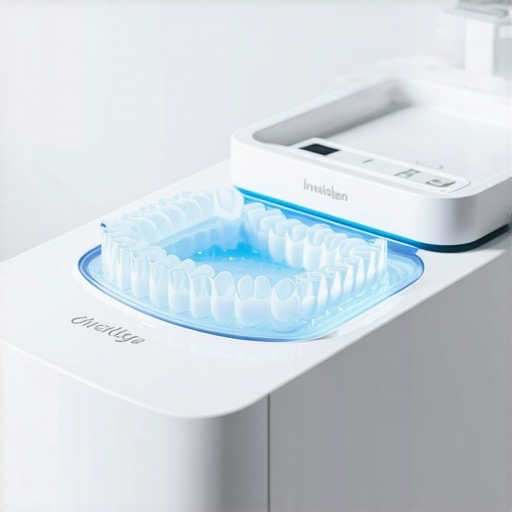
How do I maintain my smile’s brightness over time?
One tool I won’t live without is a dedicated ultrasonic cleaner for my Invisalign trays or nighttime retainers. Soaking them in a cup with a tablet simply isn’t enough to remove the calcified plaque that builds up in the corners of the trays. The 42,000Hz vibrations literally shake the microscopic biofilm off the plastic, which is the secret to keeping your trays perfectly clear for two weeks without them turning that tell-tale yellow color. When it comes to professional help, don’t just book a standard ‘scraping.’ Ask about modern teeth cleaning innovations that reduce sensitivity and boost results, such as Guided Biofilm Therapy (GBT). This system uses warmed water and erythritol powder to clear stains and bacteria without the abrasive metal tools that can scratch the surface of a porcelain veneer or composite bonding.
The Future of Your Smile is Digital and Proactive
Looking ahead, I suspect we will move away from physical impressions and reactive appointments entirely. We are already seeing how we use digital scans to catch cavities that x-rays might miss, and by 2025, I predict AI-powered home scanners will allow us to send a weekly 3D map of our teeth to our dentist via a smartphone app. This will make the current version of the ultimate guide to invisalign for adults in 2025 look like ancient history. The ability to track microscopic shifts in gum height or enamel wear in real-time will prevent the need for major cosmetic overhauls later in life. If you want to stay ahead of the curve, I highly suggest trying this specific tip: switch to a high-concentration fluoride paste at night, but do not rinse with water after you brush. Let the paste sit on the enamel to remineralize the structure while you sleep, especially around the edges of any cosmetic work. This one habit can extend the life of a veneer by years.
Taking that first step to address a grey or non-vital tooth is about so much more than just a quick cosmetic fix; it is about reclaiming the freedom to laugh without reservation. While the journey from a ‘dead’ tooth to a radiant one involves technical skill, your long-term success depends on the small, daily choices you make once you leave the dental chair.
Why Your Daily Habits Matter More Than the Dentist Chair
Reflecting on my own dental journey, I realized that the most significant breakthroughs didn’t happen during the procedures, but in the shifts I made at home. Here are a few ‘lightbulb moments’ that transformed my perspective:
- The Illusion of Strength: Just because a tooth has been root-canaled and crowned doesn’t mean it is indestructible. In fact, these teeth require more mindful care. I learned the hard way that maintaining your teeth cleaning routine for long-term health is the only way to prevent recession that exposes the dark root again.
- Texture Trumps Effort: If you are using abrasive whitening pastes to keep your new veneer bright, you might be doing the opposite. I suggest taking the grit test to tell if your charcoal toothpaste is destroying your enamel. Smoothness is your best defense against new stains.
- The Confidence Compound: Fixing one dark tooth often acts as a catalyst. Once that shadow was gone, I finally felt motivated to look into the ultimate guide to invisalign for adults in 2025 to fix the alignment issues I had ignored for a decade.
A Handpicked Toolkit for Post-Restoration Care
To keep a specialized cosmetic restoration looking its best, you need to move beyond generic drugstore finds. Here are the items I personally trust to keep a high-end smile intact:
- PTFE Dental Tape: Unlike standard string, this slides over the margins of veneers and crowns without catching or shredding, protecting the delicate transition where the porcelain meets your natural tooth.
- Ultrasonic Cleaning Pods: If you use a retainer or aligners, this is non-negotiable. It is the only way to ensure your invisalign maintenance stays ahead of the bacterial buildup that causes cloudiness.
- Non-Alcoholic Remineralizing Mouthwash: This helps keep the ‘living’ teeth around your restoration strong and vibrant, ensuring a seamless color match for years to come.
#IMAGE_PLACEHOLDER_A#
Claim the Smile You Deserve
You don’t have to be the person who covers their mouth when they laugh or slants their head in every family photo. Modern dentistry has removed the barriers to a perfect, unified smile. Whether you choose internal bleaching or a custom-matched veneer, the most important part of the process is how to choose a dentist for your transformation who truly understands the artistry of shade and light. Your smile is a reflection of your vitality—don’t let one dark tooth tell a different story. Have you ever felt like you were ‘hiding’ a specific part of your smile in photos? Let me know your experience in the comments below!