
I vividly remember the exact moment I decided I couldn’t live with my diastema anymore. I was looking at a high-res photo from my cousin’s wedding, and all I could see was that dark void between my two front teeth. It wasn’t just a gap; to me, it felt like a billboard for my insecurity. I had spent my twenties assuming the only way to fix it was two years of painful metal brackets and a mountain of wax for my shredded cheeks. I was wrong. My “lightbulb moment” happened when I realized that modern cosmetic dentistry trends have moved far beyond the awkward orthodontics of our childhood. It is not just about aesthetics, either. Sometimes that gap causes a tiny, annoying whistle when you speak, and while I have not needed a bridge myself, I have seen how people struggle to fix the whistling sound caused by gaps or new dental work.
You Don’t Need Metal to Get the Smile You Want
If you are reading this, you have probably stood in front of your bathroom mirror and wondered why your teeth couldn’t just… scoot over. You want a seamless smile, but the thought of being a “grown-up with braces” makes you want to hide under the covers. I’ve been there. In fact, my biggest blunder was trying to ignore the problem entirely until it affected my confidence so much I stopped smiling in pictures. I even briefly considered those dangerous DIY “gap bands” I saw online—please, never do that. It can lead to permanent tooth loss. Today, I am going to show you exactly how we bridge that divide using smarter, faster, and frankly, more invisible methods. We are going to dive into options like fixing black triangles and gaps without bulky crowns, and why choosing Invisalign over traditional braces might be the smartest move you make this year. Have you ever caught yourself practicing a “closed-lip smile” in the mirror just to hide a gap?
Does Fixing a Gap Actually Change Your Life?
I used to be a skeptic. I thought, “It’s just a few millimeters of space, who cares?” But it turns out, the psychology behind it is massive. According to the American Academy of Cosmetic Dentistry, nearly 99.7% of adults believe a healthy smile is a key social asset. When I finally addressed my gap, I didn’t just get straighter teeth; I stopped overthinking every word I said. We’re going to talk about dental bonding, veneers, and clear aligners—solutions that don’t involve a single metal wire. We will also touch on how whitening and cosmetic enhancements work together to finish the look. Before we get into the “how-to,” I want to make sure you know that you aren’t stuck with the hand you were dealt. I remember early on, I thought a simple deep cleaning would somehow tighten things up, but I had to learn how regular teeth cleaning prevents issues rather than moving teeth! It is about using the right tool for the right job. The journey starts with understanding which tool fits your lifestyle. Whether it is a quick afternoon of bonding or a few months of clear trays, the gap-free life is closer than you think. Let’s look at the most reliable ways to make it happen without looking like a middle-schooler. If you have been worried about the myths surrounding cosmetic dentistry, let’s clear the air once and for all.
Choose Your Path to a Seamless Smile
Fixing a gap isn’t a one-size-fits-all job. It is more like home renovation; some people just need a quick coat of paint, while others need to move the actual walls. When we talk about dental bonding, imagine a sculptor using a tooth-colored resin to widen your existing teeth until the space simply disappears. It is incredibly fast—usually done in a single afternoon—and doesn’t require any tooth removal. However, you have to be mindful of maintenance. I remember a friend who thought her bonding was permanent and skipped her checkups, only to wonder how to know if your dental bonding is stained or actually decaying later on. Bonding is the ‘instant gratification’ of dentistry, but it requires a gentle touch when eating tough foods.
Move Teeth Stealthily with Clear Aligners
If your gap is a symptom of a larger alignment issue, you need to move the roots, not just mask the surface. This is where the ultimate guide to invisalign for adults in 2025 comes into play. Think of Invisalign as a GPS for your teeth; it uses a series of precisely engineered plastic trays to nudge your teeth into position. My own experience was a bit of a wake-up call. I thought I could just pop them in and forget it, but I quickly learned how to manage the intense pressure during the first day of new invisalign trays. It’s a rhythmic process. Every Monday, I would put in a fresh set, and it always felt like a tight hug for my jaw. You might even notice why your invisalign aligners feel tight every monday morning specifically, which is just the trays doing their job. 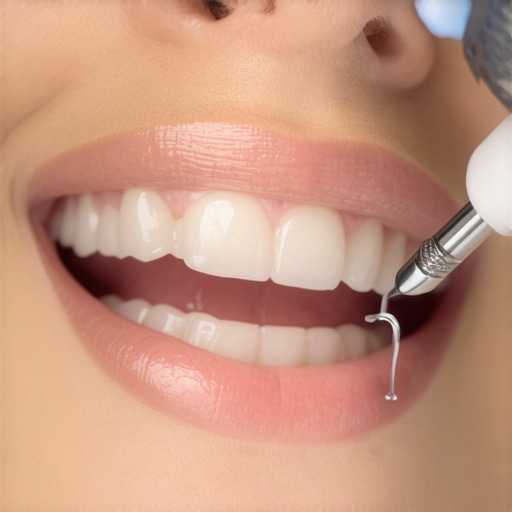
Veneers Provide a Total Architecture Rebuild
For those who want a transformation that looks like it belongs on a movie screen, veneers are the gold standard. These are thin, custom-made porcelain shells that bond to the front of your teeth. Unlike bonding, they are highly resistant to stains and can change the shape, color, and size of your teeth all at once. This is a core part of the secret to a hollywood smile cosmetic dentistry insights. It’s a more permanent commitment because a tiny amount of enamel usually needs to be removed, but the result is a gap-free smile that stays bright for years. I once saw a patient who had a significant gap and slightly gray teeth from childhood antibiotics; veneers didn’t just close the space, they gave her a ‘radiance’ that bonding couldn’t match.
Keep the Foundation Strong with Regular Maintenance
No matter which method you choose, none of it matters if your gums aren’t healthy. You cannot build a beautiful house on a swamp. This is why I always emphasize that how regular teeth cleaning can prevent major dental issues is the bedrock of any cosmetic work. If you choose aligners, you’ll also need to master invisalign maintenance expert tips for clear confident smiles to ensure your breath stays fresh and your trays don’t cloud up. I once tried to ‘cheat’ by just rinsing my trays with water for a few days, and let’s just say the ‘furry’ feeling on my teeth by midday was enough to make me a lifelong devotee of proper cleaning rituals. Execution is about the daily habits just as much as the initial procedure.
The Expensive Mistake Most People Make with Cosmetic Enhancements
There is a pervasive myth that cosmetic dentistry is a ‘set it and forget it’ solution. Most patients walk into the clinic thinking that once the gap is closed, the work is done. But here is the hard truth: your new smile is only as permanent as your hygiene habits. I’ve seen people drop thousands on perfect porcelain, only to neglect the basic foundation. Everyone focuses on the ‘after’ photo, but the ‘forever’ part comes from teeth cleaning myths debunked by top dentists. For example, some believe that professional cleanings are optional once you have veneers because ‘porcelain doesn’t decay.’ While the veneer itself won’t get a cavity, the tooth structure tucked underneath it certainly can, leading to a total failure of the restoration.
Why You Should Never Whiten Your Teeth After the Gap Is Fixed
One of the biggest ‘oops’ factors I see in my line of work involves timing. Patients often decide to whiten their teeth *after* they get their bonding or veneers. This is a massive trap. Dental resin and porcelain are non-porous; they do not respond to whitening agents. If you whiten your natural teeth later, your cosmetic work will suddenly look yellow and ‘off’ compared to the surrounding teeth. You must hit your target shade first—perhaps by optimizing the best time of day to whiten your teeth for maximum absorption—and then have your dentist match the bonding or veneer to that specific brightness. It’s a nuance that separates a DIY-looking result from a professional one. If you have been misled by cosmetic dentistry myths debunked, you aren’t alone, but knowing the sequence is key.
How Does Your Bite Force Impact the Longevity of Your Gap-Fix?
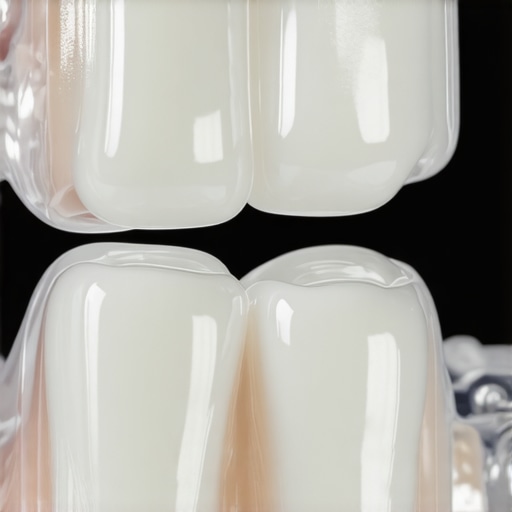
It’s not just about how the teeth look; it’s about the physics of how they collide. A study published in the Journal of Prosthetic Dentistry highlights that nocturnal bruxism, or teeth grinding, is a leading cause of premature failure in dental bonding and veneers. If you have a naturally occurring gap, your ‘occlusion’—the way your upper and lower teeth meet—might be subtly misaligned. If we close that gap without accounting for how you chew, you might chip that expensive resin within weeks. This is why I often suggest the ultimate guide to invisalign for adults in 2025 as a preliminary step. Moving the roots into a stable position is almost always better than just ‘patching’ the hole. If you ever notice the reason your teeth feel furry only hours after a professional cleaning, it might be a sign that your enamel is slightly etched from grinding, making it a magnet for plaque.
Stop Ignoring the Small Signs of Invisalign Failure
When you are in the middle of an alignment journey, there is a fine line between ‘normal pressure’ and ‘non-tracking.’ Most beginners think that as long as the tray is in their mouth, it’s working. This is a mistake. If you discover the honest reason your invisalign trays keep popping off your back teeth, it usually means the tooth isn’t moving at the same pace as the plastic. Ignoring this ‘air gap’ in your tray for even a week can set your progress back by months. You have to be proactive about invisalign maintenance expert tips for clear confident smiles to ensure the plastic remains rigid and effective. Have you ever fallen into the trap of thinking a loose tray was just ‘broken’ instead of realizing your tooth wasn’t keeping up? Let me know in the comments; I’d love to hear how you handled that first moment of panic!
How can I keep my results from fading over the next decade?
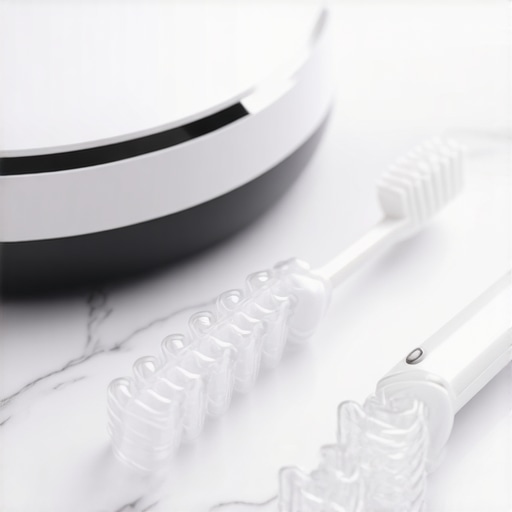
Consistency is the boring answer, but the high-tech answer involves specific equipment that most dentists forget to mention during the initial consultation. If you have invested in clear aligners, your best friend isn’t just your toothbrush; it is an ultrasonic cleaner. I personally use a 42kHz frequency cleaner every morning while I am drinking my coffee. It uses microscopic bubbles to blast away biofilm that manual scrubbing simply cannot reach. This is the only way I have found to truly stop your invisalign trays from smelling like old saliva. Without it, you are basically wearing a petri dish for twenty-two hours a day, which can lead to localized gingivitis regardless of how well you brush your actual teeth. This is why maintaining your teeth cleaning routine for long term health is more about the tools than the effort.
Invest in High-Frequency Vibration for Better Tracking
One tool that changed the game for my own journey was a high-frequency vibration device (often called a ‘vpro’ or ‘vibratory mouthpiece’). While some claim it speeds up movement, the real benefit I found was seating the trays perfectly against the teeth. According to a study in the American Journal of Orthodontics and Dentofacial Orthopedics (AJODO), high-frequency vibration can significantly improve the ‘fit’ of the aligner, which reduces the risk of those dreaded ‘air gaps’ we talked about earlier. When your trays fit better, your teeth move more predictably, and you spend less time in ‘refinement’ sets. If you are choosing the best invisalign options for your lifestyle, I highly recommend asking your provider for a vibration-assist device. It turns a painful ‘tight Monday’ into a manageable evening.
AI Scanning is the Future of Dental Monitoring
Looking ahead, the next big shift in cosmetic dentistry is AI-driven remote monitoring. We are moving away from the era where you have to visit the office every four weeks just for a ‘quick look.’ In 2025 and beyond, you will likely use a scan-box attachment for your smartphone to take high-res images of your teeth every Sunday night. AI software then compares your actual tooth position against your digital plan. This is a core part of invisalign innovations why 2025 is the year for a perfect smile. It catches issues like non-tracking teeth weeks before a human eye would, saving you months of corrective work. Even if you have limited dexterity, these digital tools make it easier to stay on top of your oral health without the constant travel. I predict that within five years, physical ‘check-up’ appointments will only happen for deep cleanings and emergencies.
The Critical Link Between Hygiene and Longevity
If you want your veneers or bonding to last the full fifteen years they are rated for, you need to understand teeth cleaning secrets how regular care boosts oral health. Specifically, I recommend a water flosser with a specialized ‘orthodontic’ or ‘plaque seeker’ tip. This isn’t just a luxury; it is a necessity for cleaning the junction where your cosmetic work meets your natural gum line. This area is the most vulnerable to recession and staining. By using invisalign maintenance expert tips for clear confident smiles, you ensure that your investment doesn’t literally rot from the edges inward. My advice? Grab an ultrasonic cleaner today; it is the single most effective way to keep your aligners crystal clear and your breath fresh throughout your entire transformation.
The Truth About Life After the Gap Is Gone
After years of hiding my smile, I learned that the physical change is only half the battle. Here are a few things that surprised me during my journey. First, the ‘phantom gap’ is real; for weeks, I found myself instinctively trying to push my tongue through a space that no longer existed. Second, your speech might actually improve faster than you think, especially if you have been dealing with a slight whistle. Third, the biggest shift wasn’t in the mirror, but in my posture—I stopped tilting my head down to hide my mouth. If you are curious about how others felt, check out these invisalign success stories from real patients who went through the same transformation. It’s a psychological evolution as much as a dental one.
My Personal Toolkit for a Flawless Result
If you want to keep your results looking like Day 1, you can’t just wing it. I rely on three specific items. I use a high-quality water flosser every single night because traditional floss can be tough on dental bonding. I also never travel without my ultrasonic cleaner to keep my retainers crystal clear. Most importantly, I made sure to choose a dentist who understands the vision for my specific face shape. For more deep-dive advice on keeping your new look bright, I recommend reading these teeth cleaning secrets that boost oral health. These aren’t just ‘extra’ steps; they are the insurance policy for your investment.
Don’t Wait Another Decade to Feel Confident
Choosing to fix my gap was the single best thing I ever did for my self-esteem. Whether you opt for the speed of bonding or the precision of clear aligners, the technology in 2025 has made cosmetic dentistry more accessible and comfortable than ever before. You don’t have to live with a ‘void’ that makes you feel self-conscious. Take that first step, book a consultation, and remember to follow invisalign maintenance expert tips if you go the aligner route. Your future self will thank you every time you look at a photograph. What is the one thing that has been stopping you from addressing your gap? Is it the fear of the procedure or the time commitment? Let me know in the comments below!