
I remember leaning into the bathroom mirror last Tuesday, toothbrush in hand, and seeing it. A tiny, jagged overlap where my bottom front teeth used to be perfectly flush. It felt like a betrayal. I spent two years in metal braces as a teenager, but here I was in my forties, watching my teeth slowly crawl over one another like they were trying to escape a crowded elevator. If you’ve noticed your smile looks a bit different lately, or maybe you’ve realized why your teeth look shorter than they did ten years ago, you aren’t alone. It’s a phenomenon often tied to mesial drift and late-stage jaw changes. Today, I’m going to share exactly how I stopped the squeeze before it ruined my bite and what you can do right now to keep your smile in line.
Why Your Bottom Teeth Are Suddenly Playing Musical Chairs
The truth is, our teeth are on a lifelong journey. They don’t just stay put because we want them to. My biggest mistake early on was assuming that my dental health was on autopilot once I hit adulthood. I stopped wearing my retainer, thinking my jaw was ‘set’ for life. It wasn’t. Whether it’s due to natural bone density changes or the way we chew, that crowding is real and it happens fast. If you’ve ever dealt with a situation where your permanent retainer wire snaps at dinner, you know that even a few days of neglect can lead to movement. I ignored a slight shift for three years, and by the time I sought cosmetic dentistry insights, the ‘accordion effect’ was in full swing.
Is This Shift Actually Worth Worrying About?
You might be thinking, ‘It’s just a little overlap, who cares?’ But crowding isn’t just about how you look in photos. When teeth bunch up, they create tiny pockets that are nearly impossible to clean, even with the best teeth cleaning secrets. According to the American Association of Orthodontists, the lower jaw actually continues to grow and narrow slightly throughout our lives, which is a major factor in why those bottom teeth start to overlap. This isn’t just a cosmetic issue; it’s a structural one that can lead to gum disease and decay in those hard-to-reach spots. Have you looked in the mirror lately and noticed one tooth starting to tuck behind the other? I’d love to hear if you’ve noticed this ‘middle-age shift’ happening to you too! If we catch it early, we can use simple invisalign maintenance or new retainer strategies to hold the line.
Spot the Early Warning Signs in Your Bathroom Mirror
First, you need to be your own detective. Look for ‘black triangles’—those tiny, dark gaps at the gum line that appear as teeth start to tip and overlap. If you see them, we can often fix black triangles between your teeth without needing invasive crowns. Next, check for uneven wear on the edges of your teeth. Think of your teeth like a set of gears; if one is slightly out of alignment, it grinds down the others unevenly. This is the stage where you must move from observation to action by choosing the right dentist to map out your correction plan. 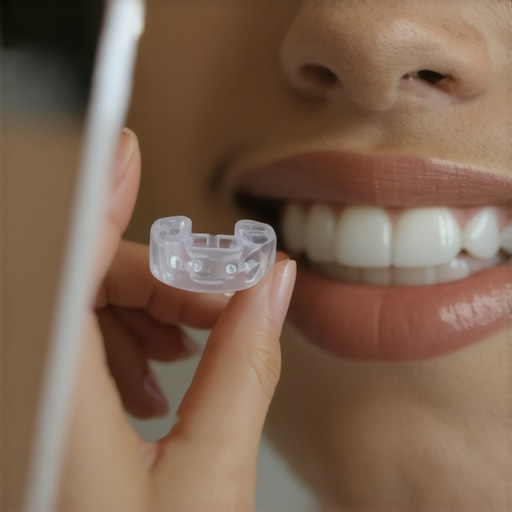
Why 2025 Makes Clear Aligners the Easiest Fix
If you had metal braces as a kid, the thought of going back to wires might make you cringe. But Invisalign innovations have changed the game for adults. Clear aligners act like a gentle, invisible hand nudging those subway passengers back into their seats. They apply constant, controlled pressure that traditional retainers simply can’t match once the ‘shift’ has already started. When I finally committed to fixing my overlap, I was shocked at how digital scanning has replaced those goopy trays of the past. It is faster, more precise, and frankly, a lot less messy.
The Monday Morning Rule for Long-Term Success
Maintenance is where most people fail. I remember a weekend at a cabin where I left my retainer in the side pocket of my duffel bag for three days. When I finally popped it back in on Sunday night, it was a wake-up call. The pressure was intense because my teeth had already begun their slow migration back to the ‘crowded elevator’ setup. This is exactly why your Invisalign aligners feel tight every Monday morning if you aren’t disciplined with your wear time. Consistency is the only way to combat mesial drift and keep that alignment you worked so hard for.
Master Your Hygiene Routine to Protect Your Progress
Once you start moving teeth, keeping them clean becomes a new challenge. Crowded teeth are essentially a series of ‘tight alleys’ where bacteria hide. You have to double down on maintaining your teeth cleaning routine to prevent the gum inflammation that actually makes teeth move faster. Inflamed gums lead to bone loss, and less bone means less ‘anchor’ for your teeth. I started using a water flosser specifically to hit those overlapping spots, and the difference in my checkups was night and day. If you are serious about stopping the squeeze, follow these Invisalign maintenance tips even if you are just wearing a standard night guard. Real results come from the boring, daily habits.
Everyone tells you that once your teeth are straight, the job is done. In my experience, the ‘straightening’ is only 40% of the battle; the real challenge is managing the biological environment that wants to push them back. A common mistake I see people make is believing that adult teeth are static. They aren’t. They are suspended in a complex network of ligaments and bone that is constantly remodeling. When we look at cosmetic dentistry myths debunked, the biggest fallacy is that ‘permanent’ fixes require zero effort. If you aren’t actively managing the pressure in your mouth, your teeth will follow the path of least resistance, which usually leads right back to that crowded elevator scenario.
Stop Treating Your Retainer Like a Suggestion
Many adults believe that if they wore braces for years, their teeth have ‘learned’ where to stay. This is a dangerous trap. The fibers in your gums have a ‘memory’ and can pull teeth toward their original positions for decades. I’ve encountered patients who thought their bite was stable until they realized cosmetic dentistry insights often emphasize that the lower jaw (mandible) continues to narrow throughout our lives. This isn’t just my observation; a study published in the American Journal of Orthodontics and Dentofacial Orthopedics confirms that late mandibular growth and arch narrowing are physiological certainties for most humans. If you aren’t countering that narrowing with a structural plan, crowding is inevitable. Have you ever fallen into this trap of thinking you were ‘finished’ with dental work? Let me know in the comments.
Why do my teeth feel loose during the second month of Invisalign?
If you’ve recently started your journey, you might panic when you notice a slight wiggle in your front teeth. This is actually a sign the process is working. To move a tooth, the body has to break down bone on one side and build it up on the other. This temporary ‘looseness’ is a phase of remodeling. Understanding why your teeth feel loose during the second month of Invisalign can prevent you from quitting prematurely. However, the ‘oops’ factor here is ignoring this sensation if it’s accompanied by pain when you aren’t wearing your trays. That could indicate you’re moving too fast or not wearing the aligners enough to stabilize the bone between shifts.

Don’t Fall for the Permanent Retainer Security Blanket
One of the most nuanced mistakes is over-relying on a lingual wire. People think that because they have a wire glued to the back of their teeth, they are safe forever. But those wires can bend, or worse, a single bond can break without you noticing. This allows one tooth to rotate while the others stay anchored. I always recommend a hybrid approach: have the wire for daily security, but use a clear overlay retainer at least three nights a week to ensure the entire arch shape is preserved. By integrating Invisalign innovations into your long-term retention strategy, you’re using 2025 technology to solve a prehistoric biological problem. Also, don’t let teeth cleaning myths debunked fool you into thinking you can skip the area around your retainer; calculus buildup there is a leading cause of the bone loss that makes teeth shift faster.
The Three Tools That Saved My Gums and My Alignment
I am a bit of a gearhead when it comes to my vanity. If I’m spending thousands on my smile, I am not going to ruin it by being lazy with a five-dollar manual toothbrush. The first tool I swear by is an ultrasonic cleaner. You can find these little pods online, and they use high-frequency sound waves to blast away the biofilm that manual scrubbing misses. It is the only way I have found to how to clean the stubborn cloudiness off your night guard without scratching the material with abrasive pastes. If you have ever noticed a funky odor when you wake up, learning how to stop your invisalign trays from smelling like old saliva usually starts with one of these machines. Next, let’s talk about interdental brushes. Floss is great, but those tiny brushes are what actually get into the gaps managed during the ultimate guide to invisalign for adults in 2025. Dr. Gordon Christensen, a world-renowned clinical educator in restorative dentistry, often emphasizes that mechanical plaque removal is the gold standard for preventing the inflammation that causes teeth to drift. These brushes reach the concave areas of your teeth where floss simply glides over.
How do I keep my results from fading after the trays are gone?
The key is a concept I call active retention. I treat my smile like a gym membership; you do not just get fit and then never lift a weight again. I now schedule my maintaining your teeth cleaning routine every four months instead of the standard six. Why? Because I know that my crowd-prone bottom teeth need professional eyes more often to check for those microscopic shifts we talked about. This is where modern teeth cleaning innovations that reduce sensitivity and boost results make the process painless, even if you are prone to cold sensitivity. By staying ahead of the tartar buildup, you ensure your gums stay tight and your teeth stay locked in their new positions. 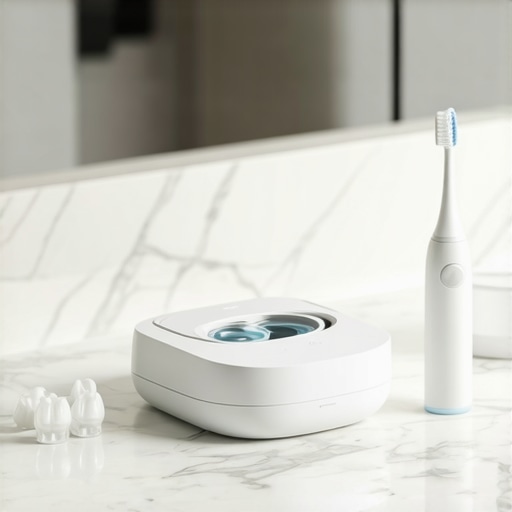
Why Your Smartphone Will Be Your Next Dental Assistant
Looking ahead, I predict we are moving toward a world of Dental AI Monitoring. Soon, you will not just wonder if your teeth are moving; you will take a weekly photo with your phone, and an AI-driven app will compare it to your original post-treatment scan. This type of invisalign innovations is already in the early stages with remote monitoring systems used by top clinics. It removes the human error of ‘forgetting’ a night of retainer wear because the data does not lie. If you take one thing away from my journey, let it be this: buy an ultrasonic cleaner today. It is a small investment that protects a massive financial and emotional commitment. Go ahead and start choosing the right dentist who utilizes 3D digital scanning so you have a baseline map of your perfect alignment to compare against as you age.
Everyone tells you that once your teeth are straight, the job is done. In my experience, the ‘straightening’ is only 40% of the battle; the real challenge is managing the biological environment that wants to push them back. A common mistake I see people make is believing that adult teeth are static. They aren’t. They are suspended in a complex network of ligaments and bone that is constantly remodeling. When we look at cosmetic dentistry myths debunked, the biggest fallacy is that ‘permanent’ fixes require zero effort. If you aren’t actively managing the pressure in your mouth, your teeth will follow the path of least resistance, which usually leads right back to that crowded elevator scenario.
Stop Treating Your Retainer Like a Suggestion
Many adults believe that if they wore braces for years, their teeth have ‘learned’ where to stay. This is a dangerous trap. The fibers in your gums have a ‘memory’ and can pull teeth toward their original positions for decades. I’ve encountered patients who thought their bite was stable until they realized cosmetic dentistry insights often emphasize that the lower jaw (mandible) continues to narrow throughout our lives. This isn’t just my observation; a study published in the American Journal of Orthodontics and Dentofacial Orthopedics confirms that late mandibular growth and arch narrowing are physiological certainties for most humans. If you aren’t countering that narrowing with a structural plan, crowding is inevitable. Have you ever fallen into this trap of thinking you were ‘finished’ with dental work? Let me know in the comments.
Why do my teeth feel loose during the second month of Invisalign?
If you’ve recently started your journey, you might panic when you notice a slight wiggle in your front teeth. This is actually a sign the process is working. To move a tooth, the body has to break down bone on one side and build it up on the other. This temporary ‘looseness’ is a phase of remodeling. Understanding why your teeth feel loose during the second month of Invisalign can prevent you from quitting prematurely. However, the ‘oops’ factor here is ignoring this sensation if it’s accompanied by pain when you aren’t wearing your trays. That could indicate you’re moving too fast or not wearing the aligners enough to stabilize the bone between shifts.
Don’t Fall for the Permanent Retainer Security Blanket
One of the most nuanced mistakes is over-relying on a lingual wire. People think that because they have a wire glued to the back of their teeth, they are safe forever. But those wires can bend, or worse, a single bond can break without you noticing. This allows one tooth to rotate while the others stay anchored. I always recommend a hybrid approach: have the wire for daily security, but use a clear overlay retainer at least three nights a week to ensure the entire arch shape is preserved. By integrating Invisalign innovations into your long-term retention strategy, you’re using 2025 technology to solve a prehistoric biological problem. Also, don’t let teeth cleaning myths debunked fool you into thinking you can skip the area around your retainer; calculus buildup there is a leading cause of the bone loss that makes teeth shift faster.
The Three Tools That Saved My Gums and My Alignment
I am a bit of a gearhead when it comes to my vanity. If I’m spending thousands on my smile, I am not going to ruin it by being lazy with a five-dollar manual toothbrush. The first tool I swear by is an ultrasonic cleaner. You can find these little pods online, and they use high-frequency sound waves to blast away the biofilm that manual scrubbing misses. It is the only way I have found to clean the stubborn cloudiness off your night guard without scratching the material with abrasive pastes. If you have ever noticed a funky odor when you wake up, learning how to stop your invisalign trays from smelling like old saliva usually starts with one of these machines. Next, let’s talk about interdental brushes. Floss is great, but those tiny brushes are what actually get into the gaps managed during the ultimate guide to invisalign for adults in 2025. Dr. Gordon Christensen, a world-renowned clinical educator in restorative dentistry, often emphasizes that mechanical plaque removal is the gold standard for preventing the inflammation that causes teeth to drift. These brushes reach the concave areas of your teeth where floss simply glides over.
How do I keep my results from fading after the trays are gone?
The key is a concept I call active retention. I treat my smile like a gym membership; you do not just get fit and then never lift a weight again. I now schedule my maintaining your teeth cleaning routine every four months instead of the standard six. Why? Because I know that my crowd-prone bottom teeth need professional eyes more often to check for those microscopic shifts we talked about. This is where modern teeth cleaning innovations that reduce sensitivity and boost results make the process painless, even if you are prone to cold sensitivity. By staying ahead of the tartar buildup, you ensure your gums stay tight and your teeth stay locked in their new positions.
What I Really Learned While Chasing a Perfect Bite
After navigating the ‘dental squeeze,’ a few hard truths became clear to me. First, ‘permanent’ is a relative term in biology; your mouth is a living landscape, not a static sculpture. Second, the cost of a replacement retainer is always cheaper than a second round of aligners. Finally, I realized that gum health is the secret engine driving alignment. If you’ve been inspired by Invisalign success stories, remember that those results are held together by daily habits, not just the initial investment.
The Non-Negotiable Kit for Your Adult Smile
#IMAGE_PLACE_HOLDER_E#
I don’t leave my dental health to chance anymore. My toolkit starts with an ultrasonic cleaner for my night guards to keep them hygienic. Next, I swapped to a pressure-sensing electric toothbrush to prevent the gum recession that often precedes shifting. I also recommend looking into the ultimate guide to teeth whitening and cosmetic enhancements if you want to pair your new alignment with a brighter finish. For those with high reactivity, using teeth cleaning for sensitive teeth ensures you never skip a professional visit out of fear.
Your 2025 Strategy for a Crowd-Free Smile
Taking control of your smile today prevents a cascade of structural issues tomorrow. Whether you are just starting to notice a slight overlap or you are ready for a full correction, the most important step is simply to stop waiting. By choosing the right dentist who understands adult jaw changes, you’re investing in a version of yourself that smiles confidently for decades. Don’t let your teeth dictate your confidence—take the lead and hold the line. Have you noticed your bottom teeth starting to crowd more than they did five years ago? Let me know your experience in the comments below!