
I was flipping through a dusty photo album last Sunday, one of those physical ones with the plastic sleeves, and I stopped dead at a picture from my sister’s graduation ten years ago. I looked at my younger self and then back at the mirror. It hit me like a ton of bricks: my teeth weren’t just yellower; they were significantly shorter. They looked worn down, almost as if I’d been filing them away in my sleep. For a while, I tried to convince myself it was just the lighting or some weird camera angle, but the truth was staring back at me. My smile had lost its “zip” because my teeth were literally disappearing. [image1]
The Sneaky Ways Your Smile Loses Its Length Over Time
You aren’t imagining things. If you feel like your smile is receding into your gums or looking a bit “stumpy,” there is usually a very specific culprit at play. For me, I made the classic rookie mistake of thinking I could fix the discoloration that comes with wear by using abrasive cleaners. I actually spent months using a gritty charcoal paste, only to realize later through the grit test that I was probably scrubbing away the very enamel I was trying to save. It’s a common trap! According to the American Dental Association, tooth wear can be caused by attrition—that’s the tooth-on-tooth contact from grinding—or erosion from acidic diets. Most of us are doing a bit of both without even knowing it. We start by seeing gums receding on one side and think it’s just part of getting older, but it’s actually a signal that your bite or your habits are out of whack. Today, we’re going to dive into how we can halt this “shrinking” process and why modern cosmetic dentistry trends are finally making it easy to restore what’s been lost.
Will my teeth just keep getting smaller forever?
It’s a scary thought, right? You worry that by the time you’re seventy, you’ll be left with nothing but nubs. I’ve been there, staring at the edges of my incisors and wondering if they’d eventually just vanish. But here is the good news: once you identify the “why”—whether it’s nighttime grinding or too many morning lemon waters—you can stop the clock. Have you ever caught yourself looking at an old photo and realizing your smile used to be much more prominent? It’s a jarring feeling, but you aren’t alone in this. We can actually fix the lopsided look or the shortened edges by finding a dentist who understands the mechanics of a worn bite. This isn’t just about vanity; it’s about protecting your teeth from further damage. Let’s look at what is actually happening under the surface.
Stop the Erosion Before You Lose More Ground
Think of your teeth like the tires on your car. If the alignment is slightly off, you aren’t going to blow a tire immediately, but you’ll definitely see one side wearing down way faster than the others. I remember the exact moment I realized my alignment was the culprit. I had just finished a session where I learned that the specific reason your teeth feel sharp after a professional cleaning was actually due to the removal of tartar that had been ‘filling in’ the chips I’d created from grinding. It was a messy realization, but it forced me to look at how regular teeth cleaning can prevent major dental issues as more than just a chore—it’s an early warning system. 
Identify the Source of the Friction
First, you have to figure out if you’re a ‘grinder’ or an ‘acid-stripper.’ If your teeth look flat and even across the bottom, you’re likely clenching at night. If they look cupped or translucent, it’s probably that morning lemon water or soda habit. I was actually doing both without realizing it. To stop the clock, I had to fix my bite mechanics. Many people assume they need metal tracks to fix a bite, but comparing Invisalign vs traditional braces showed me that clear aligners are often the smarter choice for adults who want to move teeth back into a position where they aren’t constantly crashing into each other.
Rebuild What Time Took Away
Once the damage is halted, you’re left with the nubs. This is where the fun part happens. You don’t always need a full set of crowns to look like yourself again. Modern cosmetic dentistry insights have brought us high-tech materials that mimic natural enamel perfectly. For the smaller chips, we use bonding to fix a chipped tooth in under 45 minutes, which is basically like using a high-grade dental resin to sculpt the missing length back onto your incisors. When I finally sat down to discuss the shrunken look of my front teeth, my dentist explained that we weren’t just adding length; we were restoring the incisal edge. If you’ve ever seen Invisalign success stories, you’ll notice that the transformation isn’t just about straightness; it’s about the proportions. We looked at how we match the exact texture of your natural teeth to ensure that the added length didn’t look fake.
Managing the Transition Period
If you choose the aligner route to protect your teeth, be prepared for the newness of it all. I remember how to manage the intense pressure during the first day of new Invisalign trays became my most-searched topic. It feels like your teeth are being hugged a little too tightly, but that pressure is exactly what stops the shaving effect of a bad bite. By moving the teeth first, you ensure that any cosmetic work you do later—like veneers or bonding—actually lasts instead of being snapped off by the same forces that destroyed your natural teeth in the first place.
Most people treat clear aligners like a cosmetic accessory, a simple way to look better in selfies. But here is the contrarian truth: Invisalign isn’t just about the ‘look’; it is a structural splint for a failing foundation. We often focus so much on the color of our teeth that we ignore the physics of how they actually hit each other. When your teeth are out of alignment, you aren’t just looking at a crooked smile—you are looking at a biological rock-crusher that is slowly grinding your enamel into dust. A study published in the American Journal of Orthodontics and Dentofacial Orthopedics highlights that untreated malocclusion is the leading cause of accelerated dental attrition over time. If you don’t fix the position, no amount of whitening will save the length of your teeth.
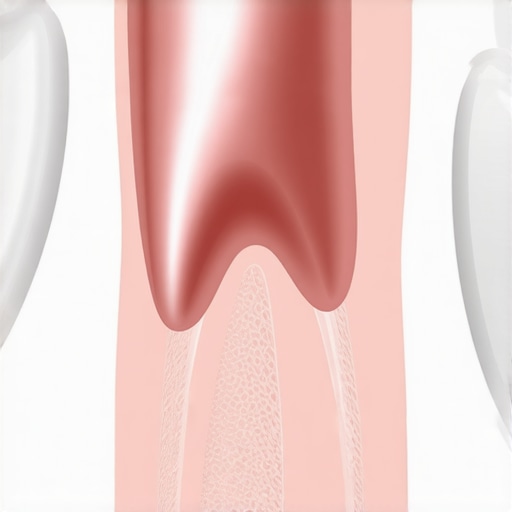
One of the biggest cosmetic dentistry myths debunked by top dentists is the idea that you can just ‘veneer over’ a bad bite. I fell into the trap of thinking I could skip the alignment phase and go straight to the pretty stuff. That is a massive ‘oops’ factor that can cost you thousands. If you put beautiful porcelain over teeth that are still crashing into each other, those expensive veneers will chip or pop off within years. You have to respect the mechanics of the mouth before you can enjoy the aesthetics. This is why understanding how regular teeth cleaning can prevent major dental issues is so vital—your hygienist is often the first person to notice those tiny ‘wear facets’ that signal your teeth are at war with one another.
Why do my front teeth feel loose on tray swap days?
It is the question that keeps every new patient up at night. That slight wiggle you feel when you take your trays out isn’t a sign your teeth are falling out; it is actually a sign of the periodontal ligament doing its job. However, there is a nuance most people miss. If that looseness is accompanied by a dull ache that persists for weeks, you might be clenching against the trays, which can actually worsen the wear you’re trying to fix. You can read more about the truth about why your front teeth feel loose on Invisalign tray swap days to settle those nerves. The key is to distinguish between healthy movement and ‘occlusal trauma’ from a stubborn clenching habit.
Another dangerous trap to avoid is the DIY whitening craze. When your teeth are worn down, the protective enamel is thin, often exposing the more porous dentin underneath. I’ve seen people try to scrub away the ‘yellow’ of worn teeth with harsh chemicals, only to realize that the truth about whitening strips and how they affect sensitive roots is quite painful. You aren’t whitening a surface stain; you are essentially applying acid to a raw nerve. Before you reach for a box at the drugstore, make sure your ‘yellow’ isn’t actually just thin enamel. We need to stop looking at teeth cleaning myths debunked by top dentists as mere suggestions and start seeing them as the manual for keeping our natural teeth for life. Have you ever fallen into the trap of trying to fix a structural problem with a cosmetic band-aid? Let me know in the comments.
The Gadgets That Actually Keep My Trays Crystal Clear
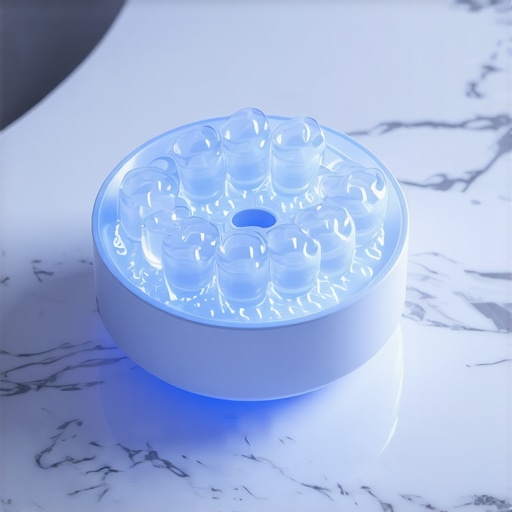
Once you’ve invested time and money into aligning your bite, the last thing you want is for your tools to become a biohazard. I learned the hard way that brushing your aligners with a standard toothbrush actually creates micro-scratches that trap bacteria and make the plastic look cloudy. Now, I swear by a dedicated ultrasonic cleaner. These little pods use 42,000Hz sound waves to create cavitation bubbles that blast away plaque without the physical abrasion of a brush. It’s a game-changer if you’re worried about how to stop your invisalign trays from smelling like old saliva. I drop my trays in while I’m eating breakfast, and they come out looking brand new every single morning. This level of Invisalign maintenance ensures that your aligners stay invisible, rather than turning into a yellowed giveaway of your treatment.
How do I keep my new smile from fading over the years?
Maintenance isn’t a ‘set it and forget it’ deal. It’s about the daily micro-habits that protect your enamel. Beyond the gadgets, I’ve integrated a high-tech approach to my hygiene. According to a study published in the Journal of Clinical Orthodontics, patients who use ultrasonic cleaning in conjunction with antimicrobial tablets show a 95% reduction in tray-borne pathogens compared to those who only use a toothbrush. This isn’t just about hygiene; it’s about protecting the modern teeth cleaning innovations you’ve invested in. If you find yourself struggling with how to get the coffee stains out of your invisalign attachments, remember that prevention via these tools is always more effective than trying to scrub the stains off later. Consistency in maintaining your teeth cleaning routine for long term health is what separates a transformation that lasts from one that requires a ‘do-over’ in five years.
Why Your Phone Will Soon Be Your Dentist’s Best Friend
The future of dental maintenance is moving toward your smartphone. We are already seeing the rise of AI-driven remote monitoring where you take a scan of your teeth at home and the software detects if your teeth are shifting or if a new cavity is forming. We already use similar tech in the office, specifically how we use digital scans to catch cavities that x-rays might miss, and bringing that power to your bathroom mirror is the next logical step. This real-time feedback loop will eliminate the guesswork of whether your retainer is still fitting correctly or if your grinding habit is making a comeback. I predict that within three years, your toothbrush will sync with your dentist’s office to flag issues before you even feel a twinge of pain. If you want to stay ahead of the curve, I highly recommend trying a ‘double-soak’ method: use an ultrasonic cleaner with a retainer-safe tablet once a day and swap your manual brush for one with a localized pressure sensor to prevent gum recession. It’s the ultimate insurance policy for your face.
What I Discovered While Reclaiming My Smile
Looking back on my journey from “shrunken” teeth to a restored smile, I realized that we often wait too long because we think the changes are inevitable. Here is the insider truth: your teeth are resilient, but they need a fair fight. First, stop treating your clear aligners like a chore. I used to think of them as a burden until I realized they were a literal shield against my own grinding. Second, never underestimate the power of a diagnostic scan. Once I saw my bite in 3D, I couldn’t unsee the collision course my front teeth were on. Finally, regular care boosts oral health at any age, and it is never too late to start the restoration process.
#IMAGE_PLACEHOLDER_E#
My Personal Toolkit for Enamel Defense
If you are serious about keeping your smile for the long haul, you need more than just a manual toothbrush. I rely on three things. First, an ultrasonic cleaner—it is the only way to keep trays truly clear without scratching them. Second, I recommend choosing the right dentist who actually listens to your concerns about tooth length, not just color. Third, stay informed on cosmetic dentistry trends that transform smiles beyond expectations. Technology like digital smile design has made the rebuilding process much more predictable than it was even five years ago.
Take the First Step Toward Your Best Smile
You don’t have to live with a “shrunken” smile or feel like your teeth are disappearing every time you look in the mirror. Whether you choose to address the alignment first or go straight for restoration, the most important thing is to act before the damage reaches the root. Modern cosmetic dentistry is about preserving your natural structure while giving you the confidence to laugh without covering your mouth. If you are ready to see what is possible, reach out to a professional and contact us to start your own transformation. Have you ever noticed your teeth getting shorter or thinner over the years? Let me know in the comments below!