
I remember the first time I actually watched myself on a recorded Zoom call and realized my mouth looked like it was trying to escape to the left every time I opened it. I felt confident during the meeting, but the playback told a different story: every time I spoke, my upper lip hitched up on the left side like a broken window shade, while the right side stayed oddly static. It wasn’t a health crisis, and it wasn’t just a quirky habit—it was a lopsided smile that had been developing for years without me noticing. Have you ever caught a glimpse of your reflection in a shop window and wondered why your mouth seems to have a mind of its own?
Why Your Smile Does Not Move the Way You Think
I spent months trying to “train” my facial muscles in front of a mirror, thinking I could just will my lips into symmetry. That was my first big mistake; I treated a structural dental issue like a simple bad habit. The truth is, a lopsided smile when speaking is rarely just about the muscles. It is often a complex dance between your jaw alignment, tooth height, and even how your bite settles over time. Today, I want to walk you through exactly why this happens and, more importantly, how we can actually bring some balance back to your face. Whether it is through modern Invisalign innovations or targeted cosmetic tweaks, there is a path to a smile that doesn’t feel like a distraction. [image_placeholder]
Is this really worth the worry?
You might feel like you are being overly critical, but facial symmetry is one of the first things the human brain processes during communication. According to research cited by the National Institutes of Health, even slight deviations in dental midline or an occlusal cant can significantly impact how others perceive your expressions. It is not just in your head. When I finally sat down with a professional, I realized my lopsidedness was tied to a slight jaw shift I had ignored for years. I wish I had looked into choosing the right dentist for a consultation sooner instead of wasting time on “face yoga.” If you are tired of seeing that lopsided reflection, have you noticed if it gets worse when you are tired or trying to speak quickly?
When Your Teeth Are the Secret Culprit
Often, the “lean” in your smile comes down to how your teeth provide a shelf for your lips. If your teeth are crowded or tilted, your lip will naturally drape differently over them as you talk. This is why Invisalign is the future of fixing these subtle shifts; it is not just about straight teeth, but about creating a level foundation for your entire face. I have even seen cases where simple regular teeth cleaning and maintenance revealed that gum inflammation on one side was making the smile look uneven. We need to look at the whole picture—from your bite to your cosmetic dentistry options—to find the fix that actually lasts. If you are already wearing aligners, you might even need to learn how to stop your aligners from causing a lisp while your mouth adjusts to its new, symmetrical position.
Find out where the slope actually starts
Before you can fix a lopsided smile, you have to identify if the issue is the ‘shelf’ or the ‘drape.’ Think of your teeth as a bookshelf and your lips as the velvet curtain hanging over it. If the shelf is tilted, the curtain will never hang straight, no matter how much you tug at the fabric. I spent weeks doing mirror exercises before a specialist pointed out that my right molars were actually shorter than my left, causing my whole jaw to cant upward. To see this for yourself, bite down on a popsicle stick; if the stick isn’t perfectly horizontal, you’re dealing with a structural alignment issue. This is where choosing the best Invisalign options for your lifestyle becomes the first real move toward symmetry.
Straighten the foundation that supports your lips
For most of us, the ‘lean’ is a result of dental crowding or an uneven bite. Clear aligners don’t just straighten teeth; they level the bite plane. When I started my treatment, I was obsessed with the front four teeth, but the real magic happened when my back molars were moved into a position that supported my jaw evenly. It is vital to ensure your treatment is progressing correctly; for instance, you need to know how to tell if your Invisalign tray is actually seated, because a tray that isn’t fully snapped in won’t apply the pressure needed to fix that lopsided tilt. [image_placeholder]
The micro-moment that changed my progress
I remember sitting in my car before a big presentation, feeling a weird ‘bounce’ in my back left molar every time I spoke. I realized my tray had popped loose, which meant my teeth weren’t being moved into the symmetrical position I needed. If you ever feel that gap, you might be dealing with the honest reason your Invisalign trays keep popping off your back teeth, which usually comes down to a slight mismatch in the scan or a lack of attachments. I had to go back in for a refinement, but that one tweak finally leveled out my smile.
Tiny tweaks that make a massive visual difference
Sometimes the teeth are straight, but the edges are uneven, creating an optical illusion of a lopsided mouth. This is where ‘incisal edge’ reshaping or bonding comes into play. If one canine is slightly longer than the other, your lip will catch on it, making your smile look hitched. We often use bonding to fix a chipped tooth in under 45 minutes, and that same composite resin can be used to add a fraction of a millimeter to a ‘short’ tooth to level the visual line of your smile.
Keep the canvas clean for a brighter balance
You can’t overlook the role of gum health in facial balance. Swollen or uneven gum lines can make one side of your mouth look ‘toothier’ than the other. I noticed that my smile looked much more even once I mastered Invisalign maintenance and expert tips, which kept my gums from becoming inflamed and puffy. Beyond that, teeth cleaning secrets like using a water flosser can help maintain that crisp, symmetrical gum line that frames your teeth. If you are noticing persistent dullness or stains that emphasize the asymmetry, exploring the ultimate guide to teeth whitening and cosmetic enhancements can provide that final polish to ensure your new, level smile truly pops.The most common mistake I see—and I fell for it too—is the belief that ‘straight’ is synonymous with ‘symmetrical.’ You can have teeth as straight as a picket fence, but if the dental midline is off or if you have an occlusal cant (a tilted bite plane), your smile will still look lopsided when you speak. Most people think cosmetic dentistry is just about the ‘social six’—those front teeth that show when you grin. But in my experience, focusing only on the front is like putting a fresh coat of paint on a house with a sinking foundation. You need to look at cosmetic dentistry myths debunked to realize that the back molars are actually the ‘pillars’ of your face. If those aren’t level, your lip will always hitch. Here is the ‘oops’ factor nobody warns you about: the muscle memory trap. Your facial muscles have spent years compensating for your old, crooked bite. When you start moving teeth, those muscles don’t just ‘reset’ overnight. I’ve seen people get frustrated because their smile still looks ‘off’ halfway through treatment. They often think the aligners aren’t working, or worse, they start slacking. But what happens if you skip wearing your Invisalign for just one weekend is more than just a minor setback; it resets the clock on your muscular adaptation, making your smile look more uneven during the transition.
Can a perfectly straight bite still look lopsided?
Actually, yes. This is a nuance that budget mail-order aligner companies completely ignore. According to a study published in the Journal of Oral Rehabilitation, the way your masticatory muscles fire is directly influenced by the precise vertical position of your teeth. If your treatment plan doesn’t account for how your muscles ‘pull’ your jaw during speech, you might end up with teeth that look straight in a static photo but appear tilted in motion. This is why how to choose a dentist for your Invisalign transformation is such a critical decision. You aren’t just looking for someone to give you trays; you need someone who understands the ‘neuromuscular’ aspect of your smile. 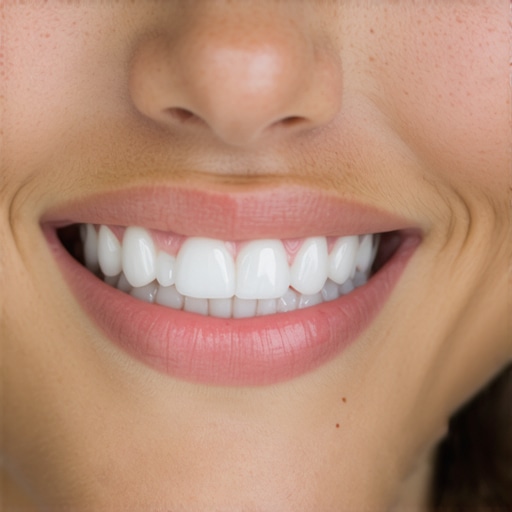 Another nuance people miss is the ‘biofilm’ factor in symmetry. We think of a professional teeth cleaning routine as just a way to avoid cavities. However, if you have chronic inflammation on one side, that gum tissue will be thicker and redder, visually pulling the eye to that side and creating an illusion of asymmetry. Have you ever wondered about the reason your teeth feel furry only hours after a professional cleaning? It is often a sign of how quickly your specific oral microbiome reacts. If that film builds up unevenly, it changes the ‘glide’ of your lip over your teeth, subtly altering your speech patterns. Maintaining that balance requires more than just the occasional visit. You have to be proactive about how regular teeth cleaning can prevent major dental issues to ensure the ‘drape’ of your lips remains consistent. Have you ever fallen into the trap of thinking ‘straight’ was the only goal, only to realize your bite felt weirdly unbalanced? Let me know in the comments.
Once you’ve identified that the ‘lean’ in your smile is a structural issue, the focus shifts from correction to the discipline of maintenance. I used to think that finishing my last tray meant I was ‘done,’ but that is exactly when most people lose the symmetry they fought so hard to gain. To keep your jaw and teeth from reverting to their old, lopsided habits, you need a toolkit that goes beyond a simple toothbrush. I personally swear by using an ultrasonic cleaner for my retainers; it uses high-frequency sound waves to create cavitation bubbles that blast away biofilm in corners a brush simply cannot reach. This is a game-changer for Invisalign maintenance and expert tips, as it prevents the trays from becoming a breeding ground for the bacteria that cause inflammation and visual asymmetry.
How do I keep my smile symmetrical for the long haul?
The secret is consistency in the ‘micro-habits’ that support your new alignment. If you are still in the active phase, you have to be vigilant about how to get your clear aligners back in after a long dinner, because even a few hours of ‘freedom’ allows the periodontal ligaments to start contracting toward their old positions. I also recommend using a dedicated tracking app like DentalMonitoring. This software uses AI to analyze photos of your teeth taken with your smartphone, ensuring your trays are seated perfectly and your bite isn’t developing a new cant. According to technical documentation from Align Technology regarding their iTero Lumina scanners, the precision of digital tracking has reached a point where we can detect shifts as small as 0.1mm—movements that the human eye misses but the ‘lopsided’ reflection caught in a Zoom call definitely notices.

Beyond the tech, your daily hygiene routine needs to evolve. I’ve found that maintaining your teeth cleaning routine for long-term health requires specific tools for sensitivity, especially if your teeth have been moved significantly. If you struggle with discomfort, looking into teeth cleaning for sensitive teeth and what works best in 2025 can help you stay consistent without the pain. You should also be hyper-aware of your tray hygiene to avoid social awkwardness; I had to learn how to stop your invisalign trays from smelling like old saliva by using specialized pH-balanced cleaning crystals rather than harsh mouthwashes that can warp the plastic and ruin your bite plane.
Expect real-time dental tracking in your pocket soon
Looking ahead, I predict that the next five years will see a total shift toward ‘smart retainers’ equipped with haptic sensors that vibrate if you aren’t wearing them enough or if they detect an uneven bite force. We are moving away from reactive dentistry toward a proactive, data-driven model where your phone will alert you to a potential relapse before your smile actually starts to look crooked again. This level of control is why how to choose a dentist for your invisalign transformation is so vital; you want a provider who is already integrating these digital tools into their practice. If you want to keep that symmetry you’ve worked for, my best advice is to invest in a high-quality ultrasonic cleaner today. It is the single most effective way to keep your hardware pristine and your gum health balanced. Stop guessing if your trays are clean and start using the tools that provide a clinical-level results at home.
What No One Tells You About Moving Your Jaw
After navigating this journey myself, I realized that a lopsided smile isn’t just a static problem to be solved; it is a dynamic evolution of your whole face. One thing that surprised me was how much cosmetic dentistry myths debunked helped me understand that my rear molars were the real architects of my facial symmetry. If your foundation is off, everything else follows suit. Don’t be discouraged if you see minor fluctuations during your treatment; your muscles are literally re-learning how to support your lips.
- Your face has muscle memory that takes weeks to reset even after your teeth move into their new positions.
- An ‘occlusal cant’ or tilted bite plane is the most frequent cause of that subtle ‘hitch’ when you speak quickly.
- High-tech digital scans reveal structural imbalances that a simple bathroom mirror or phone selfie will always miss.
The Gear That Saved My Sanity
Maintaining symmetry requires more than just a basic toothbrush and some floss. I found that finding a dentist who gets your smile was the absolute first step toward a personalized plan that worked for my specific jaw structure. Beyond the professional help, I swear by a few specific tools: an ultrasonic cleaner for trays to keep them from warping, a precision water flosser for gum health, and a dedicated tracking app to ensure my progress never stalled. [image_placeholder]
If you are looking for that final glow-up after you have achieved better balance, checking out the ultimate guide to teeth whitening and cosmetic enhancements can help you highlight your new, level smile. I trust these resources because they focus on the long-term health of the tooth structure, not just a temporary visual fix.
Step Into a More Balanced Future
It is easy to feel like you are the only person scrutinizing your reflection, but the confidence that comes from a functional, symmetrical bite is worth the persistent effort. You do not have to settle for a smile that feels like it is pulling away from you. With the right technology and a little bit of patience, that lopsided smile can become a thing of the past. Your future self will thank you for taking the first step toward alignment today.
Have you noticed your smile leaning more to one side during video calls or when you are tired? Let me know in the comments below!