
I was standing in front of my bathroom mirror, clutching a lukewarm mug of morning joe, when I saw it. My front teeth—the ones I’d spent a small fortune on to have perfectly bonded—looked like they belonged to a 19th-century chimney sweep. The edges were tinged with that unmistakable, stubborn brownish-yellow hue that only a dedicated coffee habit can produce. I felt that immediate pit in my stomach. I’d worked so hard on my cosmetic dentistry for discolored teeth, and now, I’d ruined it. Or so I thought. I made the classic rookie error: I grabbed the harshest, grittiest whitening toothpaste I could find and went to town. My gums ended up looking pale after using a high-strength whitener and the stains didn’t budge. In fact, they got worse because I’d microscopically scratched the surface of the resin. If you’re reading this, you’re probably in the same boat. You love your caffeine, but you also love your smile. Today, I am going to share the exact routine that finally cleared those shadows from my bonding and kept them away, even with three cups a day.
Is it even possible to whiten bonding once it is stained?
It is a fair question. Unlike natural enamel, composite resin is a porous dental material. It doesn’t react to bleach the same way your natural teeth do. According to the American Academy of Cosmetic Dentistry, while resin doesn’t whiten with traditional chemicals, its surface can be professionally refurbished and maintained to prevent deep-set discoloration. I used to think I would have to replace the whole thing every two years. I was wrong. You just need to know the coffee lovers secret to preventing deep enamel stains and apply it specifically to your dental work.
Stop Using That Charcoal Toothpaste Right Now
My biggest blunder was falling for the DIY hype. I thought the more abrasive the better. I even tried the truth about charcoal toothpaste, thinking it would scrub the coffee off. Instead, it stripped the polish off the bonding, making it even more prone to soaking up my afternoon latte. It is like using steel wool on a silk shirt. You need a gentle touch and the right chemical approach, not physical force. Have you ever tried a miracle whitening trick only to find your teeth feeling more sensitive or looking duller than before? I have been there, and I know how frustrating it feels to see your investment fade.
Rinse Immediately to Stop the Soak
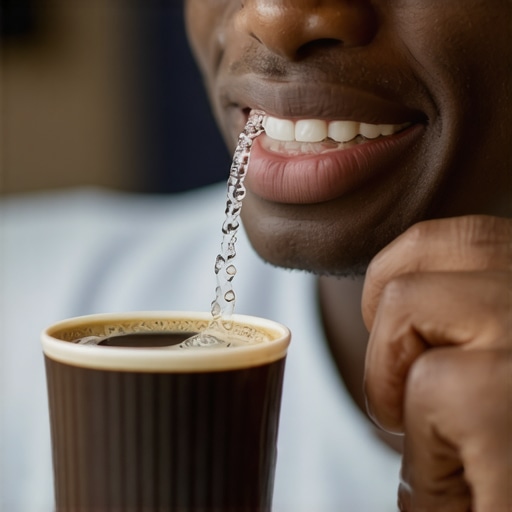
The first rule of coffee-drinking with bonding is simple: water is your best friend. Every time you take a sip of coffee, follow it with a swig of water. Think of it like rinsing a white t-shirt immediately after spilling wine; you are trying to dilute the pigments before they settle into the porous resin. I used to think staining was only an issue on the visible parts, but I eventually learned the reason your coffee habit is staining the back of your teeth more than the front is because liquid pools in the back. By swishing water, you neutralize the acidity and flush out those dark tannins before they can bond to the composite material.
Pick Your Tools Like You Are Cleaning Fine China
Dental bonding is essentially a high-grade plastic. If you use a hard-bristled brush or abrasive paste, you create microscopic scratches. These scratches are like tiny canyons that trap coffee particles, making them impossible to brush away later. This is exactly why your dental hygienist told you to stop using hard-bristled toothbrushes. Instead, switch to an ultra-soft brush and a non-abrasive, fluoride-rich gel toothpaste. I remember a Tuesday morning when I tried to ‘buff out’ a coffee spot with a stiff brush. Within thirty seconds, the bonding lost its luster and turned into a dull, greyish patch that attracted even more stains by lunch. I had literally sanded down the protective polish.
The 20-Minute Brushing Rule
Never brush immediately after finishing your coffee. The acid in the coffee temporarily softens the resin surface and your natural enamel. If you scrub right away, you’re essentially brushing the stain into the material. Wait at least 20 minutes for your saliva to remineralize the surface. During this window, you can use specialized teeth cleaning tips for a brighter smile this spring to ensure you aren’t doing more harm than good. I now set a timer on my phone after my morning espresso; it sounds overkill, but it saved my front teeth from looking like antique parchment.
Why a Professional Polish Beats a Home Scrub
If the stains are already there, stop the DIY experiments. You cannot ‘bleach’ bonding back to life because the material is color-stable. However, a dentist can perform a ‘re-polishing’ procedure. They use specialized aluminum oxide discs and polishing pastes that smooth out the surface and strip away the superficial stain layer without removing the bonding itself. This is a core part of cosmetic dentistry for discolored teeth. I once went in for a routine check-up with dark margins around my bonding, thinking I needed a full replacement. My dentist spent ten minutes with a polishing cup, and the stains vanished. It’s about maintenance, not replacement. By maintaining your teeth cleaning routine for long-term health, you ensure that these professional touch-ups happen before the stain penetrates too deep for a simple polish to fix.
Look for Life in the Shade Not Just Brightness
Everyone tells you that whiter is better, but in my experience, the biggest mistake people make in cosmetic dentistry is chasing an opaque, refrigerator-white smile. Natural teeth have depth and translucency. If you push the whitening process too far or demand a bonding shade that doesn’t match your underlying structure, you fall into a common trap: your teeth start looking flat and artificial. This is exactly why your teeth look grey instead of yellow and what it means when the enamel becomes too thin or over-processed. A study published in the Journal of the American Dental Association (JADA) suggests that aggressive bleaching can alter the micro-hardness of enamel, leading to a loss of that natural luster we all crave. True expertise lies in choosing a shade that reflects light like a real tooth, not a piece of plastic.

Why Invisalign is Actually a Protective Tool Not Just a Beauty Fix
There is a massive misconception that clear aligners are purely for vanity. I used to think that way too, until I realized that crooked teeth aren’t just an aesthetic issue—they are a functional disaster. When your bite is misaligned, you create uneven wear patterns that can actually chip your expensive dental bonding. Many patients focus on the end result but forget that choosing a dentist for your Invisalign transformation is about more than just getting the trays; it is about engineering a bite that preserves your dental work for decades. If you are just moving teeth to look good in selfies without correcting the occlusion, you are setting yourself up for orthodontic relapse or, worse, fractured restorations. Don’t ignore invisalign maintenance expert tips for clear confident smiles, because the health of your alignment dictates the lifespan of your cosmetic enhancements.
Why does my smile still look dull even when my teeth are technically white?
This is the question that separates the beginners from the experts. Often, the ‘dullness’ isn’t a color problem—it is a texture and light-reflection problem. If your bonding has been smoothed down by abrasive toothpastes or if you have ‘over-brushed’ the gum line, the light hits your teeth and disappears rather than bouncing back. You might notice the reason your teeth feel thin near the gum line when you brush is due to recession or abrasion, which creates shadows that make the whole smile look aged. This is one of the many cosmetic dentistry myths debunked by top dentists: whitening can’t fix a lack of structural volume or poor surface texture. To get that ‘Hollywood’ glow, you often need a professional to restore the macro- and micro-morphology of the tooth surface using modern teeth cleaning innovations that reduce sensitivity and boost results through air-polishing rather than traditional gritty pastes. Have you ever fallen into the trap of thinking a stronger whitening gel was the answer when you actually needed a surface polish? Let me know in the comments.
Invest in the Tools That Do the Hard Work for You
I used to think a standard toothbrush was enough until I noticed that my bonding started to lose its ‘edge’ where it met the gumline. I switched to a high-end sonic toothbrush not because of the branding, but because the micro-vibrations break up biofilm without me having to apply physical pressure. This is a game-changer because you stop the mechanical wear that causes the reason your teeth feel thin near the gum line when you brush. But the real MVP in my kit is the water flosser. I finally understood why your dental hygienist uses a water flosser instead of manual tools; it flushes out the tannins from my morning brew that hide in the tight spaces between my Invisalign and my teeth without fraying the edges of my composite resin.
Maintain Your Alignment to Save Your Investment
Many people treat Invisalign as a ‘one-and-done’ beauty treatment, but I view it as structural insurance. If your teeth aren’t aligned, your bite forces are uneven, which leads to your bonding chipping or wearing down prematurely. When choosing the best invisalign options for your lifestyle, you have to look beyond the aesthetics and focus on how a stable bite preserves your dental work. I’ve seen people spend thousands on veneers only to have them crack because they skipped the orthodontic phase. Following invisalign maintenance expert tips for clear confident smiles isn’t just about straight teeth; it’s about making sure your smile doesn’t ‘self-destruct’ from the inside out due to poor mechanics. 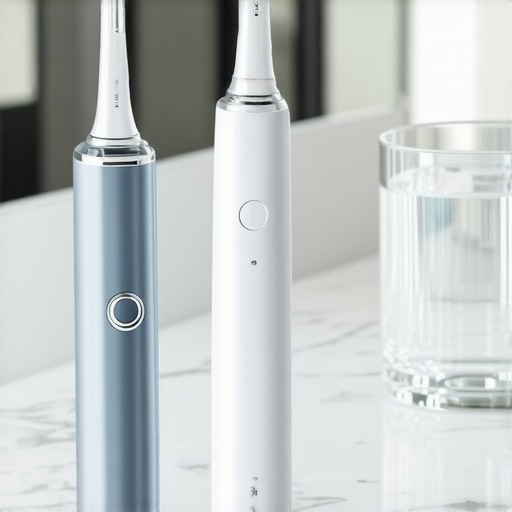
How do I maintain my dental bonding and Invisalign over time?
The secret is a combination of daily diligence and specific professional intervention. According to Dr. Gordon Christensen, a world-renowned expert in dental materials, composite resins require periodic ‘re-glazing’ to maintain their resistance to staining. I schedule a specialized cleaning every six months where they use modern teeth cleaning innovations that reduce sensitivity and boost results, specifically an air-polishing system that uses a gentle glycine powder. This removes coffee stains from both the resin and the aligner attachments without the grit of traditional prophy paste. Additionally, I’ve mastered how to keep your clear aligners from staining when you drink iced coffee by using a straw and rinsing immediately.
The Future of Your Smile is Digital and Preventive
We are moving toward a world where AI-driven scans will predict exactly how your bonding will wear over a five-year period. I believe why invisalign is the future of clear braces lies in this predictability. In the near future, we won’t just be reacting to stains; we’ll be using 3D-printed biological seals that make bonding virtually impervious to coffee. For now, the most important step you can take is finding a dentist who gets your smile tips from top cosmetic pros and understands that maintenance is a customized journey, not a generic checklist. If you haven’t already, swap your manual floss for a water flosser tonight and see how much less ‘sticky’ your teeth feel by morning—your bonding will thank you.
The Hard Truth About My Morning Espresso Habit
Reflecting on my journey, the most important thing I realized is that your smile is a living investment. I used to think of my bonding as a static ‘fix,’ but it’s more like a high-end leather jacket; it needs specific care to stay supple and stain-free. Here are the lightbulb moments that changed everything for me:
- Porosity is your biggest enemy: I finally grasped that resin absorbs pigments much faster than enamel. This means those secrets to drinking iced coffee with invisalign are non-negotiable if you want to avoid a dingy look.
- Saliva is a natural shield: I learned to leverage my body’s own chemistry by staying hydrated, which helps buffer the acids that make bonding more ‘sticky’ to coffee tannins.
- Maintenance is not repair: Getting a professional polish isn’t a sign that your bonding is failing; it’s a necessary part of how regular care boosts oral health at any age.
- Texture dictates color: The reason my teeth looked dull wasn’t just the stain; it was the microscopic scratches I caused by being too aggressive with a manual brush.
The Gear That Actually Works for Coffee Drinkers
If you are serious about protecting your investment, you need the right tools. I’ve narrowed my kit down to four essentials that actually make a difference. First, a high-quality water flosser is a must-have for clearing out liquid coffee trapped in the back. Second, I swear by a sonic toothbrush that does the work without the abrasion of manual scrubbing. Third, I always seek out hollywood smile cosmetic dentistry insights that prioritize air-polishing systems over gritty pastes. Finally, keep a stash of glass straws in your bag; it sounds extra, but bypassing the front teeth entirely is the ultimate way to keep that resin bright. These are the small shifts that define a successful long-term best smile journey.
#IMAGE_PLACEHOLDER_E#
Your Smile is Worth the Extra Minute
Maintaining your coffee habit while preserving your dental work doesn’t have to be a source of stress. It’s simply about shifting your habits from reactive to preventive. By adopting a routine that respects the unique nature of composite resin, you can enjoy your morning brew without the fear of your smile fading. Remember, the goal of modern cosmetic dentistry isn’t just to give you a white smile today, but to provide a healthy, functional, and radiant smile that lasts for years to decade. You’ve done the hard work of getting the smile you want; now, just give it the gentle care it deserves. Have you found a specific coffee-drinking trick that keeps your bonding bright? Let me know in the comments below!