
I still remember the night I decided to take my evening oral care routine to the absolute next level. I had just brushed, flossed with absolute precision, and decided to cap it off with a generous swig of a classic, bright blue, high-alcohol mouthwash. Within three seconds, my eyes watered. Within five, my entire mouth felt like it was engulfed in a raging chemical fire. I stood over the sink, desperately counting down the recommended thirty seconds while gripping the edge of the counter, wondering if I was actually doing permanent damage to my gums. It felt less like a clean routine and more like a test of survival.
The Spicy Truth Behind the Minty Burn
For years, many of us bought into the myth that if a mouth rinse doesn’t hurt, it isn’t working. We voluntarily subject ourselves to that intense, eye-watering sting because we assume it is the sound of bacteria crying out in defeat. However, after that painful night, I started digging into the actual science. It turns out that high-alcohol formulas can severely dry out your oral tissues. In fact, a study published by the National Institutes of Health highlights how alcohol acts as a drying agent, stripping away the protective layer of saliva that your mouth naturally uses to defend itself. When you strip that barrier, you are not just killing bad breath germs; you are actively irritating the delicate mucous membranes. This can lead to issues that mimic other uncomfortable sensations, similar to why your tongue feels like its burning after using whitening strips.
Is That Intense Burning Sensation Actually Worth the Pain?
Many people tolerate this fiery sensation because they believe there are no alternatives for achieving a truly deep clean. The truth is, you do not have to suffer to maintain excellent oral hygiene. My early mistake was assuming that maximum intensity equaled maximum health. Modern dental care has evolved significantly, and there are incredibly effective, alcohol-free rinses that get the job done without making you cry over the bathroom sink. If you already struggle with sensitive teeth or easily irritated gums, switching your rinse is one of those simple teeth cleaning secrets that works wonders. Have you ever had to spit out your mouthwash early because the burn was just too intense to handle? Let me know, because you are definitely not alone in that struggle. Let’s look closely at what is actually happening to your oral microbiome when you use these high-alcohol formulations.
When you dump a harsh, high-alcohol rinse into your mouth, it behaves exactly like a wildfire in a delicate forest. Sure, it clears out the underbrush, but it also incinerates the ancient trees and drives away the helpful local wildlife. In dental terms, alcohol is an indiscriminate killer. It wipes out the beneficial bacteria your mouth relies on to break down food and keep your breath naturally fresh, leaving behind a sterile wasteland that is highly vulnerable to opportunistic, bad-smelling microbes.
How to Rebuild a Healthy Oral Care Routine Without the Fire
Transitioning away from the burn is not just about changing your product; it is about changing your entire approach to daily hygiene. Think of your mouth as a delicate greenhouse. Instead of blasting it with pesticides, you want to cultivate the soil. To achieve a sparkling, healthy smile without the collateral damage, you must follow a deliberate, layered routine.
Choose a Biocompatible Rinse with Active Ingredients
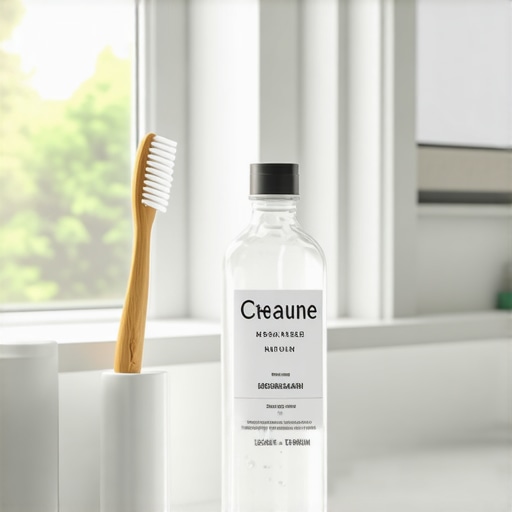
Your first move is to swap the alcohol bottle for a rinse that uses zinc, essential oils, or hydrogen peroxide in mild concentrations. These ingredients function like targeted smart bombs rather than carpet-nukes. They neutralize volatile sulfur compounds (the actual molecules that cause bad breath) without drying out your mucous membranes. I remember the exact week I made this switch. For the first two days, my mouth felt strangely ‘quiet’ because I was so accustomed to that lingering, chemical sting. But by day four, I realized my morning breath had actually improved significantly. Because my mouth was no longer bone-dry overnight, my natural saliva was doing its job, keeping bacterial overgrowth at bay.
Master the Gentle Sixty-Second Swish
Most people rush their rinse, swishing violently for five seconds and then spitting. When you use a gentle, alcohol-free formula, you actually need to let the ingredients work. Swish slowly and deliberately, letting the liquid pool around your back molars and under your tongue. This is especially critical if you are navigating orthodontic work. For example, knowing expert tips to keep clear aligners clean is only half the battle; you also need to ensure your oral tissues remain hydrated so your saliva can wash away trapped sugars. Gently move the liquid through your teeth for a full minute to let the antibacterial agents bind to your oral surfaces.
Sync Your Rinse with Mechanical Cleaning
A mouthwash is a finisher, not a shortcut. It cannot chemically melt away plaque that has already calcified on your enamel. You must physically disrupt that sticky film first. Brush thoroughly with a soft-bristled brush, clean between your teeth, and then use your alcohol-free rinse to flush away the loosened debris. If you struggle with chronic irritation during this process, implementing modern teeth cleaning steps designed for sensitive mouths will make the entire sequence feel like a therapeutic spa treatment rather than a daily chore.
While swapping out your fiery mouthwash is a fantastic first step, we need to address the broader, hidden nuances of daily dental care. Many people assume that if they are brushing, flossing, and using a modern rinse, their oral health is completely covered. However, after years of analyzing dental routines, I have noticed a massive paradox: some of the most dedicated, hygiene-conscious individuals are actually doing the most damage to their enamel and gums. They fall into advanced traps because they rely on outdated, mainstream advice rather than the reality of modern dental science.
The Cleanliness Trap That Actually Wears Down Your Enamel
Everyone tells you to brush your teeth immediately after eating to prevent cavities, but in my experience, brushing right after a meal is one of the worst things you can do for your enamel. When you consume foods—especially acidic items like coffee, citrus, or tomato sauce—your enamel temporarily softens. If you rush to the bathroom with a toothbrush right away, you are physically scrubbing that softened enamel off your teeth. Instead of protecting your smile, you are accelerating wear. A study published in the Journal of Dentistry confirms that waiting at least thirty to sixty minutes after eating allows your saliva to naturally remineralize your enamel, making it safe to brush. If you cannot wait, simply rinse your mouth with plain water to help restore a neutral pH level.
Why Do My Teeth Feel Sticky Even After Brushing?
If you have ever run your tongue over your teeth after a thorough cleaning and still felt a stubborn, tacky film, you are likely dealing with a classic dental slip-up. Many people assume this stickiness means they need a stiffer toothbrush or a more abrasive toothpaste. In reality, you are likely dealing with a mature, sticky biofilm that has become highly resistant to basic manual brushing, or you are experiencing mild dehydration that thickens your saliva. When your saliva is thick and lacking water, it cannot effectively wash away food particles, leading to that annoying, textured coating. Understanding why your teeth feel sticky even after you brush is crucial because it signals that your oral environment is out of balance, often due to dry mouth or using the wrong brushing technique.
The Secret Culprit Behind Cosmetic Dental Failures
Another major oversight occurs when people invest in advanced cosmetic dentistry or clear aligners without addressing their underlying oral biome. For instance, if you are wearing aligners, you might think keeping them clean is just about a quick rinse. However, trapping a highly acidic or dry environment under a plastic tray for twenty-two hours a day is a recipe for rapid enamel demineralization. Many patients run into trouble during active orthodontic therapy because they do not realize their teeth are shifting and need extra structural support. If you have noticed that your teeth feel slightly unstable, reading up on why your teeth feel loose during the second month of Invisalign will reassure you that bone remodeling is normal, but it also highlights why keeping your saliva flow high and your pH balanced is so critical during this vulnerable phase.
Ultimately, achieving a healthy smile is not about aggressive scrubbing or enduring chemical burns. It is about understanding the chemistry of your mouth and working with your body’s natural defenses. Have you ever fallen into the trap of brushing immediately after an acidic meal or using a stiff brush to get rid of that sticky feeling? Let me know in the comments below—let’s keep the conversation going!
When we talk about shifting from basic survival to long-term peak dental health, we have to look closely at the exact gear we use. I used to think any toothbrush off the supermarket shelf would do. But once you commit to a lifelong preservation mindset—especially if you have invested in modern cosmetic enhancements or clear aligners—your tools must become highly specialized. Over the years, I have refined my kit to a science, relying on tools that work with biological chemistry rather than raw physical force.
How do I maintain my dental health over time without wearing down my enamel?
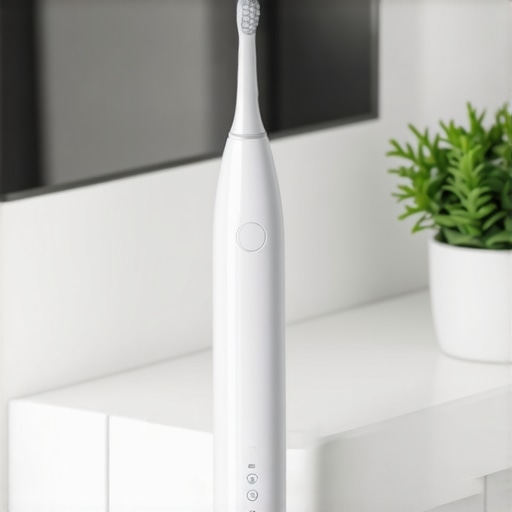
The secret lies in smart, non-abrasive mechanics. I personally swapped my standard manual brush for an ultrasonic toothbrush that vibrates at 42,000 strokes per minute. Why? Because manual brushing relies on friction, which can easily damage tender gums and soft dentin. Ultrasonic vibrations, however, create a process called fluid dynamics. The rapid movement pushes water and saliva between your teeth and beneath the gumline, disrupting plaque colonies even where the bristles cannot physically reach. According to technical documentation by the American Dental Association (ADA), high-frequency sonic brushes remove significantly more plaque without requiring the aggressive hand pressure that leads to gum recession.
Additionally, if you are wearing clear aligners, your daily hygiene routine requires an entirely different level of detail. Standard rinsing is not enough. I highly recommend using a specialized ultrasonic cleaning pod for your trays. These compact devices use high-frequency sound waves to create microscopic bubbles in water, which collapse and safely blast away stubborn bacteria and dried saliva from the hard-to-reach crevices of your plastic aligners. This is the absolute best way to prevent your Invisalign trays from smelling bad and looking cloudy.
The Future of Daily Dental Care Belongs to Smarter Bio-Tech
As we look toward the future, I predict we will soon move entirely away from generalized dental advice. Within the next five years, we will see smart toothbrushes equipped with real-time saliva pH sensors that immediately analyze your oral chemistry as you brush. This tech will sync with your smartphone to tell you exactly which minerals your enamel is lacking that morning, allowing you to customize your remineralizing rinses. We are already seeing the beginning of this shift with teeth cleaning innovations that target sensitivity at a molecular level, and the momentum is only growing.
If you want to keep your smile flawless, stop treating your oral care like a chore and start treating it like a precise, high-tech science. My challenge to you today is simple: choose just one advanced tip from this guide—whether it is swapping out your harsh, burning mouthwash for a biocompatible formula, or investing in a sonic toothbrush—and commit to it for the next two weeks. Your enamel will thank you.
What Everyone Gets Wrong About Achieving a Spotless Smile
Over years of helping people refine their daily habits, I have noticed that the biggest breakthroughs happen when you stop fighting your body. Here are the three most critical shifts in perspective that will completely change how you approach your daily routine:
- Saliva is your superpower: It is not just spit; it is a complex, mineral-rich defense fluid. Stop stripping it away with harsh chemicals.
- Gentleness beats force: Scrubbing harder or using a burning rinse does not remove more plaque; it simply accelerates gum recession and enamel wear.
- Timing is everything: Rushing to brush immediately after a meal can trap acids against your enamel, doing more harm than good.
The High-Performance Dental Gear I Trust for Daily Maintenance
If you want to transition away from aggressive routines, you need tools that prioritize biological chemistry over brute force. Here is what I personally recommend to keep your mouth in perfect harmony:
- Ultrasonic Toothbrushes: Unlike standard electric models that scrub, ultrasonic brushes use rapid fluid dynamics to disrupt plaque beneath the gumline without wearing down your enamel. If you want to dive deeper into this shift, explore teeth cleaning myths debunked by top dentists to understand how modern mechanics protect your gums.
- Biocompatible Mouth Rinses: Look for formulas featuring zinc or low-dose hydrogen peroxide. They neutralize odors at a molecular level while preserving your natural microbiome.
- Ultrasonic Cleaning Pods: Essential for keeping clear aligners and night guards pristine without using abrasive chemicals. This is key to invisalign maintenance and preventing foul odors.
Take Control of Your Oral Journey Today
Your smile is one of your greatest assets, and caring for it should feel like a nourishing ritual rather than a daily test of endurance. By aligning your routine with your body’s natural defenses, you protect your enamel and enjoy a healthier, more radiant smile. If you are ready to take your care to the next level, implementing maintaining your teeth cleaning routine for long-term health will ensure your results last for decades.
Have you ever struggled with that intense, painful burn from standard mouthwash? Let me know in the comments below!