
It was a crisp Tuesday morning in October. I walked outside, took a deep, refreshing breath of autumn air, and immediately winced. A sharp, icy jolt shot straight through my back molar. It felt like a tiny lightning bolt of winter had targeted my old silver filling. I remember thinking, did my tooth crack, or is my mind playing tricks on me? I had that dental restoration done years ago, yet there I was, terrified of simply inhaling. If you are experiencing that same frustrating, localized freeze every time you open your mouth on a breezy day, you are not imagining it. Today, we are going to dive into the physical reality of why older fillings suddenly turn into thermal conductors and exactly what you can do to find relief.
The Metal Conduction Phenomenon and Aging Restorations
Many of us go about our lives assuming that once a cavity is patched up, that tooth is permanently bulletproof. I made that exact mistake early on, ignoring subtle warnings from my mouth because I figured my old amalgam work was indestructible. In reality, dental restorations have a lifespan. Amalgam (silver) fillings are excellent conductors of heat and cold. Over time, as we drink hot coffee and eat iced desserts, these metal materials constantly expand and contract. This microscopic movement eventually stresses the surrounding tooth structure, sometimes creating minute gaps or cracks where cold air can sneak right down toward the nerve. This is a very similar sensation to why your new filling feels sensitive to cold air, but when it happens to an older restoration, it often signals that the seal has finally degraded after years of hard work. According to the American Dental Association, dental amalgam can withstand decades of chewing, but the interface between the tooth and the restoration is always susceptible to microleakage over time.
Is This Cold Sensation Actually Worth Worrying About?
You might be tempted to just breathe through your nose and ignore the problem. I tried that for a month, and let me tell you, it is no way to live. When your tooth screams from a gust of air, it is usually a warning sign that the protective barrier of enamel and dentin is compromised. Whether it is microleakage, a tiny fracture, or a receded gumline exposing the sensitive root surface near the filling, your body is trying to tell you something. Have you ever felt that sudden, sharp freeze while simply talking or laughing outside? It is incredibly common, but ignoring it can turn a simple restoration update into a much more complex root canal scenario.
Simple Steps to Quiet the Sensitivity Today
While you plan your next checkup, there are practical ways to soothe that overactive nerve. Keeping up with a diligent hygiene routine helps strengthen any remaining exposed enamel. If you are already struggling with sensitive spots, exploring teeth cleaning for sensitive teeth what works best in 2025 can give you great insights into desensitizing pastes and gentle brushing methods that do not wear down your enamel further. Additionally, make sure you are not using a hard-bristled brush, which can push your gums back and expose the delicate tooth roots underneath. Protecting that boundary line between your old filling and your gums is your first line of defense against the elements.
Step-by-Step Tactics to Seal Out the Cold Today
To stop that agonizing cold shock, you need to treat your tooth like a house with a drafty window. When the seal between your old metal filling and your tooth dentin degrades, microscopic gaps allow freezing air to rush straight to the nerve. If you want to find immediate comfort before you can get to the clinic, you must focus on physical barriers and nerve-calming techniques. Here is exactly how to execute this defense plan.
Switch Your Brushing Angle to Protect Exposing Roots
When I first noticed my lower molar screaming at cold autumn air, my instinct was to scrub harder to keep it clean. That was a painful mistake. Hard scrubbing actually pushes the gumline down, exposing the highly sensitive root dentin. Start brushing at a 45-degree angle, sweeping gently away from the gums. You should also discover why your dental hygienist told you to stop using hard-bristled toothbrushes to prevent creating deeper notches near your filling. I switched to an ultra-soft microfiber brush and noticed a massive reduction in daily wind sensitivity within just forty-eight hours.
Apply Desensitizing Paste Like a Spot Treatment
Do not just use sensitive toothpaste for regular brushing; use it as a direct shield. Take a pea-sized amount of potassium nitrate-based toothpaste on a clean finger and rub it directly onto the sensitive tooth at bedtime. Leave it there without rinsing. This creates a chemical blanket over the open microscopic pores in your dentin. If you also experience discomfort from normal drinks, learning how to stop the sharp pain when you drink room-temperature water can help you rebuild that protective layer even faster.
When to Have Your Dentist Upgrade the Restoration
Self-care is a fantastic temporary shield, but it cannot repair a physically cracked or leaking silver filling. When the microscopic gaps become too wide, the old metal structure must be replaced to prevent decay from nesting underneath. Modern dental advancements make this transition incredibly seamless and highly aesthetic.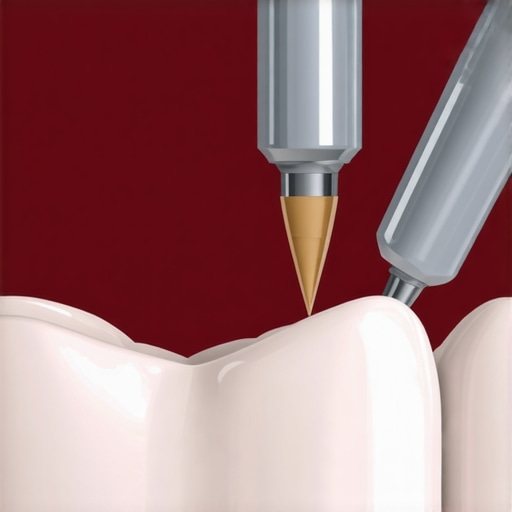
Replace Leakage with Seamless Composite Bonding
During my own dental visit to address that old, cold-sensitive silver spot, my dentist recommended swapping the metal out for a modern composite resin. Unlike metal, which acts like a thermal frying pan in your mouth, composite materials do not rapidly conduct cold temperatures. They also bond physically to your tooth structure, sealing those tiny gaps completely. Today’s dental innovations focus heavily on these tooth-colored, biocompatible materials. If you are curious about how these materials can also improve your overall look, explore cosmetic dentistry trends that transform smiles today to see how modern restorations prioritize both comfort and aesthetics.
The Dark Side of Cosmetic Dentistry and Restorative Over-Correction
Many people believe that correcting an old, leaking silver filling is as simple as swapping it out for any composite alternative. However, there is a major trap that patients and even some practitioners fall into: over-treating the tooth too quickly. When a restoration becomes temperature-sensitive, the first instinct is often to rush into complex procedures. In my experience, jumping straight to aggressive drilling without analyzing your bite can make the situation much worse. Sometimes, the issue is not just microleakage, but how the old metal filling distributes pressure across your jaw when you chew.
Why Does Your Newly Replaced Filling Still Scream at Cold Air?
A common mystery in modern restorative dentistry is postoperative sensitivity that lingers for weeks after a metal-to-composite transition. According to clinical studies published by the National Institutes of Health, composite resin restorations shrink slightly during the light-curing process. This volumetric shrinkage can exert physical stress on the delicate inner walls of your tooth, creating microscopic tension that mimics the exact cold-induced nerve pain you were trying to escape. If your dental professional does not apply the material in specialized, thin increments, you end up with persistent pain that has nothing to do with decay. This is why choosing a highly skilled practitioner is vital; you can explore choosing the right dentist expert tips for your best smile journey to understand how modern clinicians navigate these complex, physical material traits.
Another critical mistake is assuming that any dental cleaning will cure root sensitivity. While keeping your teeth clean is essential, aggressive scaling on exposed roots can temporarily strip away the protective smear layer. If you are preparing for a scaling session, understanding teeth cleaning myths debunked by top dentists will save you from painful postoperative surprises. Always communicate with your hygienist about sensitive spots beforehand so they can adjust their tools.
Have you ever fallen into this trap and rushed into a replacement only to find the sensitivity got worse before it got better? Let me know in the comments below.To keep your dental restorations operating perfectly over the long haul, you have to look beyond the dental office and refine your daily home-care toolkit. Replacing a compromised silver filling is only half the battle; preserving the surrounding tooth structure and maintaining the new seal requires active, daily preservation. I used to think a tooth was simply ‘fixed’ once I left the clinic. Now, I treat my dental sealants and composite restorations with the same precise maintenance routine I would apply to a high-end mechanical device.
How Do I Maintain My Restorations Over Time?
The key to long-term success with modern composite fillings or cosmetic enhancements is mitigating daily wear and structural fatigue. Standard over-the-counter options often fall short of protecting highly sensitive, recently restored teeth. I personally recommend using a high-density, low-abrasivity hydroxyapatite toothpaste. Unlike traditional fluorides, nano-hydroxyapatite physically binds to microscopic dental tubules, creating a synthetic crystalline shield over vulnerable dentin. If you have recently invested in your smile, following a consistent maintaining your teeth cleaning routine for long-term health will protect your restorations from edge wear and prevent localized plaque buildup at the margins.
In addition to advanced pastes, the mechanics of how you clean between your teeth matter immensely. Standard nylon floss often shreds against tight contact points of new restorations. To prevent this, I exclusively use polytetrafluoroethylene (PTFE) floss. It glides effortlessly over composite margins without catching or pulling. If you struggle with tight dental work, understanding the reason your floss always shreds in the exact same spot will help you identify whether you have a minor structural overhang or if you simply need to adjust your physical flossing technique.
The Future of Restorative Care and Structural Materials
We are transitioning into an era where restorative materials do not just sit passively in your mouth. The future of dental technology lies in ‘smart’ bioactive materials. According to Dr. Edward Swift Jr., a leading researcher in operative dentistry, upcoming dental polymers will actively release calcium and phosphate ions into the surrounding tooth structure, essentially self-healing minor margin leaks before they can cause cold sensitivity or decay. This means your future restorations will physically adapt to thermal and mechanical stresses in real time. For those looking to upgrade their smile aesthetic alongside structural longevity, checking out cosmetic dentistry trends that transform smiles beyond expectations will give you a clear preview of how modern, durable materials are replacing outdated metal structures.
If you want to experience immediate comfort and protect your current dental work, try this specific tip tonight: swap out your standard floss for a high-performance PTFE tape, and apply your desensitizing paste directly to the restoration site with a soft cotton swab before sleep. This simple mechanical adjustment prevents micro-shearing forces on your filling margins while allowing the active ingredients to calm the nerve undisturbed.
What Older Fillings Taught Me About Dental Boundaries
Experiencing that sudden, icy spike in a tooth with an old restoration is a masterclass in oral anatomy. Over the years, I have gathered a few vital, non-obvious realizations that changed how I approach my dental health:
- Thermal expansion is a constant physical force: Metal amalgam expansions are not just theoretical. Every cup of hot tea followed by ice water micro-stresses the tooth structure, meaning old restorations behave like real-time physical joints.
- Gum recession changes the game: Often, it is not the filling itself that leaks first, but the exposed root surface just millimeters below it. Once the gum recedes, the protective enamel shield is gone, leaving the dentin wide open to cold drafts.
- Postoperative healing takes patience: If you do opt for a modern replacement, composite materials require meticulous layering. If your tooth feels slightly off after a procedure, it might simply be that your tooth feels slightly too tall after a new filling, throwing off your entire bite and mimicking persistent thermal nerve pain.
The Sensitivity Defense Kit I Keep in My Cabinet
You do not have to suffer through every winter breeze or iced drink while waiting for your next checkup. These are the specific, vetted resources and tools that genuinely help soothe overactive dental nerves:
- Nano-Hydroxyapatite (n-HAp) Toothpaste: Unlike traditional options, nano-hydroxyapatite chemically bonds with your enamel to plug the open microscopic tubules leading to the nerve.
- Polytetrafluoroethylene (PTFE) Dental Tape: Standard floss can snag on aging composite or amalgam borders. PTFE tape slides smoothly, protecting the delicate margins of your restorations from physical lifting forces.
- Ultra-Soft Microfiber Toothbrushes: These pack thousands of dense, plush bristles that clean your teeth thoroughly without scrubbing away the fragile gum tissue near old restoration margins.
Take Back Control of Your Smile Comfort
Living with constant thermal sensitivity is exhausting, but you do not have to accept it as a permanent annoyance. By making small, protective adjustments to your daily hygiene routine and consulting with a trusted professional, you can easily seal out the cold and enjoy your favorite treats without fear. If you are ready to find a permanent solution for your aging restorations, reach out to a professional through our contact page to begin your journey toward a comfortable, worry-free smile.
Have you ever experienced a sudden, sharp cold pain in a tooth that already has an old silver filling? Let me know in the comments below!