
I was standing on the cold bathroom tile, my back aching from leaning over the sink, while my two-year-old looked at me with the most innocent eyes—and a toothbrush clamped firmly between his molars. I pulled. He bit harder. It was a stalemate. For months, our bedtime routine felt less like hygiene and more like a high-stakes wrestling match. I made the classic rookie mistake of trying to pry his jaws open with my fingers, which only taught him that biting was a very effective way to get a reaction out of me. It wasn’t just frustrating; I was genuinely worried I was ruining his teeth before they even fully arrived. We are going to end that power struggle today. I’ll show you exactly how I pivoted from a dental drill sergeant to a clever negotiator, ensuring your little one actually gets a clean mouth without ruining another brush.
The 7 PM Battle You Probably Aren’t Winning Yet
Getting a toddler to cooperate is like trying to nail jelly to a wall. It is messy, confusing, and often feels impossible. When your child treats their toothbrush like a chew toy, they aren’t just being difficult; they are often exploring sensory input or simply exerting the very little control they have over their world. I spent weeks worrying that this habit would lead to me needing to find a dentist for an emergency repair, but the reality is usually much simpler. The key is shifting the focus from ‘scrubbing’ to ‘exploring.’ Have you ever felt like you’re the only parent on the block whose kid refuses to open wide? Trust me, you aren’t alone. In fact, many parents find themselves also wondering how to get their preschooler to stop swallowing their toothpaste once they finally do get the mouth open. It’s a multi-stage process of trial and error.
Will This Biting Habit Ruin Their Brand New Teeth?
It is the fear that keeps us up at night. We see those serrated edges on their new teeth and worry that a plastic brush handle will cause permanent damage. Surprisingly, the American Academy of Pediatric Dentistry notes that the primary goal at this age isn’t clinical perfection but establishing a positive association with oral care. According to research published in the Journal of Sensory Studies, many toddlers bite down because the vibration or texture of the bristles triggers a natural masticatory reflex that they haven’t quite learned to override yet. It isn’t defiance; it’s biology. Once I realized my son wasn’t trying to be a ‘bad kid,’ my entire approach changed. I stopped pulling the brush away, which only encouraged the ‘tug-of-war’ instinct, and started using techniques that focused on long-term oral health habits instead of a thirty-second scrub. Does your toddler clamp down the second the bristles touch their tongue, or do they wait until you’re almost finished?
Stop Pulling the Brush Like a Tug-of-War Rope
The most instinctual reaction when your toddler clamps down is to pull back. Don’t do it. Think of their jaw like a Chinese finger trap; the harder you pull, the tighter they grip. When you tug, you are accidentally turning a hygiene task into a game of strength. Instead, try the ‘gentle wait’ or the ‘up-and-out’ tilt. I remember one Tuesday night with my daughter where I simply went limp. I stopped pulling and just held the brush handle loosely. Surprised that the resistance disappeared, she opened her mouth within five seconds to see why the ‘game’ had stopped. By staying calm, you prevent the friction that leads to sensitivity issues later on. Working with their anatomy rather than against it is the first step toward maintaining your teeth cleaning routine for long-term health.
The Two-Brush Diversion That Actually Works
This was the game-changer in our house. If your child wants to hold the brush, let them—but give them a decoy. I call this the ‘Master and Apprentice’ technique. I handed my son a bright red brush and told him it was his job to clean his front teeth, while I held a blue ‘specialist’ brush to reach the back. While he was busy gnawing on the red handle and ‘scrubbing’ his chin, I could slip in and actually clean the molars. It turns the power struggle into a collaborative project. Using this method is much more effective than forcing a single brush, especially if your toddlers gums are swollen where their molars are coming in, which often makes them more prone to biting for relief.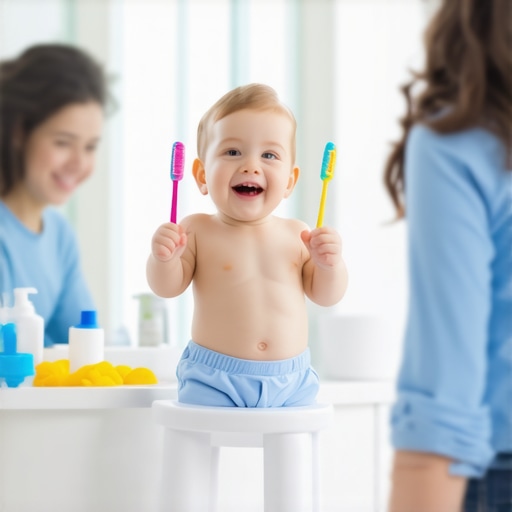
Let the Mirror Do the Hard Work
Toddlers are incredibly self-absorbed in the most charming way. They love looking at themselves. We moved our brushing session from the stool to a full-length mirror, and the biting nearly vanished. When they can see the ‘sugar bugs’ you’re pretending to hunt, they become more curious and less defensive. It’s similar to how adults use visual progress when tracking Invisalign success stories; seeing the process makes the discomfort worth it. If you notice a gap that looks odd while they are peering into the glass, it’s a great time to check how to tell if your toddlers tooth gap is normal or if you need to mention it at their next check-up.
Relieve the Pressure with Silicone Trainers
Sometimes the biting isn’t a power play; it’s a physical need. If those six-year molars or toddler teeth are pushing through, the brush feels like a teething toy. Switch to a silicone U-shaped brush or a very soft-bristled trainer for the first thirty seconds to let them ‘get the bites out.’ Once that sensory urge is satisfied, they are often much more willing to let you finish with a standard brush. This approach is much like some teeth cleaning tips for a brighter smile that focus on comfort first. We aren’t just cleaning teeth; we are preserving the integrity of their smile so they don’t grow up needing intensive cosmetic dentistry trends to fix early damage. The goal is to make the process as painless as possible, much like the intense pressure management used during orthodontic adjustments.
Stop Over-Scrubbing Your Toddler’s Gums
Most parents, in their desperation to be thorough, fall into the trap of thinking force equals cleanliness. It is a classic ‘oops’ factor that I see constantly. If you are scrubbing so hard that the bristles are splaying out, you aren’t just removing plaque; you are potentially causing microscopic trauma to the delicate gingival tissue. I’ve learned that consistency beats intensity every single time. Excessive pressure can lead to issues you’d usually only expect in adults, such as why your gums are receding on only one side of your mouth. When we treat the mouth like a garage floor that needs scouring, we set the stage for teeth cleaning for sensitive teeth later in life. Instead of brute force, focus on the angle. Aim for a 45-degree angle toward the gum line and use tiny, circular motions. Have you ever fallen into this trap of ‘aggressive’ cleaning? Let me know in the comments below.
Can Early Toothbrush Biting Actually Change the Way Their Adult Teeth Grow In?
It is the question every parent asks after the tenth time they’ve had to replace a frayed brush. While a bit of biting won’t immediately shift a jaw, chronic, forceful chewing on hard plastic handles can theoretically impact the dental arch if done for hours a day. However, the real danger is the misalignment of the primary teeth. According to a study published in the International Journal of Paediatric Dentistry, early mechanical trauma or the premature loss of baby teeth due to poor hygiene habits directly correlates with the need for orthodontic intervention later. We often think of baby teeth as ‘disposable,’ but they are actually critical space-maintainers. If we don’t manage these early years correctly, we are fast-tracking our kids toward why invisalign is the future of clear braces or even more complex cosmetic dentistry trends that transform smiles beyond expectations.
The Biofilm Myth That Most Parents Believe
There is a common contrarian view in modern dentistry: you don’t actually need to ‘scrub’ away every bit of food to prevent decay; you need to disrupt the biofilm. Most people believe that if the teeth look white, they are clean. In reality, the colorless film of bacteria is the true enemy. This is where modern teeth cleaning innovations that reduce sensitivity and boost results come into play. By using a soft-bristled electric brush, the micro-vibrations do the work of disrupting that biofilm without the need for manual pressure. If you’re still using a ‘firm’ toothbrush because you think it cleans better, you’re following one of the biggest teeth cleaning myths debunked by top dentists. Making the switch to softer tools actually preserves the enamel, ensuring that your child’s teeth don’t end up looking like they need a hollywood smile cosmetic dentistry makeover before they even hit high school. Keeping the long-term goal in mind is essential for maintaining your teeth cleaning routine for long-term health. This isn’t just about tonight’s battle; it’s about choosing the right dentist and the right habits to protect their smile for decades to come.
Why I Finally Swapped My Manual Brush for Ultrasonic Tech
While the two-brush decoy works for the toddler, I realized my own routine needed an upgrade if I wanted to avoid the chair at my local dentist. I shifted to an ultrasonic brush with a pressure sensor. This isn’t just about bells and whistles; it’s about data. These modern teeth cleaning innovations that reduce sensitivity and boost results are game-changers because they vibrate at frequencies that physically break apart bacterial chains without needing to scrub. According to a meta-analysis in the Cochrane Database of Systematic Reviews, powered toothbrushes provide a significant reduction in plaque and gingivitis compared to manual brushing over both short and long terms. I personally use a brush that syncs to an app—not because I love more screen time, but because it proves I’m missing my back left molars 40% of the time. This level of precision is exactly how you move toward maintaining your teeth cleaning routine for long-term health.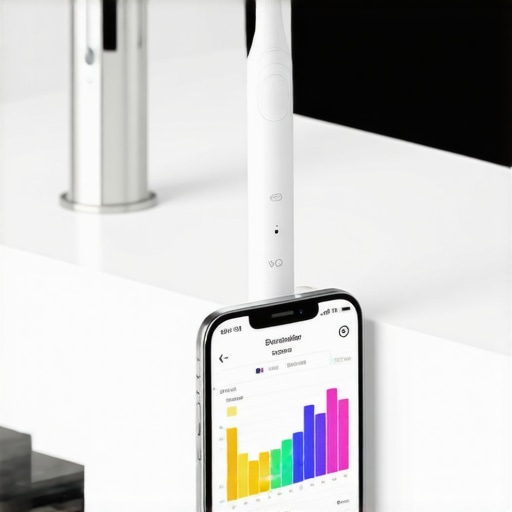
How Can You Keep This Smile Perfect for Decades?
The secret isn’t a one-time expensive treatment; it’s the compounding interest of daily habits. If you’ve invested in your look through Invisalign success stories, you know that the retainer is your best friend for life. But maintenance goes deeper. I recommend using a water flosser at least once a day, especially if you have permanent retainers or dental work. It flushes out the debris that traditional floss simply can’t reach. Many of my friends ask about the secret to a hollywood smile cosmetic dentistry insights, and I always tell them: it starts with healthy gums. You can have the whitest veneers in the world, but if your gums are inflamed, the look is ruined. By debunking common teeth cleaning myths debunked by top dentists—like the idea that bleeding gums are ‘normal’—you set a standard for your entire family.
The Future of Your Dental Health is Proactive and Digital
I predict that within the next five years, we won’t just be ‘guessing’ if our kids have cavities. We are heading toward a world where AI-powered cameras on our toothbrushes will scan for demineralization in real-time, sending a report directly to our phones. This trend is already beginning with clear aligner therapy, where why invisalign is the future of clear braces is largely due to digital mapping and predictable outcomes. We are moving away from reactive ‘drilling and filling’ and toward a model of constant, gentle maintenance. If you want to stay ahead of the curve, I highly recommend trying the ‘biofilm disruptor’ challenge: for the next seven days, focus on the angle of your brush rather than the force. Use a timer for a full two minutes and see how much ‘cleaner’ your teeth feel without the aggression. If you’re ready to take the next step in your smile journey, don’t hesitate to contact us for a personalized consultation.
Three Big Lies I Believed About Toddler Dental Habits
One of the hardest realizations I had was that persistence matters more than precision in these early years. I used to think that missing one night of thorough scrubbing would lead to instant cavities, but the real goal is avoiding a lifelong fear of the chair. Second, I learned that my stress was contagious; if I approached the sink like a drill sergeant, my son reacted like a recruit in a bunker. Lastly, I had to accept that success looks different every day. Sometimes success is a full two-minute session, and sometimes it is just getting the brush into their mouth for ten seconds without tears.
By understanding that teeth cleaning myths debunked by top dentists apply even to the youngest patients, I stopped obsessing over perfect technique and focused on positive experiences. This shift is the foundation for maintaining your teeth cleaning routine for long-term health as they grow into preschoolers and beyond.
The Gear That Actually Saved My Sanity
If you are feeling stuck, these are the three items I personally recommend to bridge the gap between a bite-fest and a clean mouth:
- The Visual Timer: Whether it is a physical sand timer or a digital app, giving a toddler a visual end point reduces their anxiety about how long the session will last.
- Silicone Finger Brushes: For the particularly bite-prone days, these allow you to feel exactly where you are in their mouth while protecting your own fingers from those sharp little molars.
- Educational Picture Books: Reading about characters who brush their teeth makes the act feel normal and even aspirational rather than a chore imposed by parents.
Using these tools alongside how regular teeth cleaning can prevent major dental issues helps set the stage for a healthy transition to adult dental care. #IMAGE_PLACE_HOLDER_E#
Your Child’s Smile Is a Work in Progress
It is easy to get caught up in the frustration of the moment, but remember that you are doing the hard work now to save them from complex procedures later. Every time you patiently wait for them to open up or use a clever distraction, you are teaching them that their oral health is worth the effort. You are not just cleaning baby teeth; you are building the habits that lead to a confident, healthy adult smile. If you ever feel overwhelmed, choosing the right dentist expert tips for your best smile journey can help you find a professional partner who understands these toddler hurdles. You have got this, and your child’s future smile will thank you for your patience today.
What is the most creative bribe or game you have used to get your little one to open wide? Let me know in the comments below!