
I spent nearly two years whistling through my teeth—and not the musical kind. After a cracked molar forced an extraction, I looked at the estimate for a dental implant and thought, ‘I can live with this gap for a while; nobody even sees it when I smile.’ I figured my mouth would just stay exactly as it was, a static snapshot in time. I was wrong. It wasn’t until I noticed my front teeth looking slightly crooked that I realized my mouth was actually a slow-motion construction site where everything was shifting without a permit. If you are sitting there wondering if you can push that appointment off another six months, let me share the hard lesson I learned about the domino effect of missing teeth. Today, we are going to dive into the structural chaos that happens below the gumline and why ‘waiting until next year’ is the most expensive dental decision you can make.
Your Teeth are Social Creatures That Hate Empty Spaces
You might think your teeth are bolted into your jawbone like pillars, but they are actually held in a delicate balance by their neighbors. When one tooth goes missing, the others start to lean into the void like they are trying to eavesdrop on a secret. This process, called ‘mesial drift,’ can completely ruin your alignment. I actually started noticing how to stop your bottom teeth from crowding as you get older became a much harder conversation to have once my back teeth started tilting over. This shifting doesn’t just change your smile; it creates tiny, unreachable pockets where bacteria throw a party, often leading to situations where how regular teeth cleaning can prevent major dental issues becomes your only saving grace. Have you noticed your floss catching in new, weird places lately?
Is a single missing tooth really worth the massive investment?
It is easy to be skeptical when a dentist talks about ‘bone resorption.’ It sounds like a sci-fi term designed to scare you into a high-priced procedure. However, the reality is visceral. According to the American Academy of Implant Dentistry, you can lose up to 25% of the bone width in that gap area within the very first year of tooth loss. I made the mistake of waiting so long that my jawbone thinned out, and I ended up needing a bone graft before they could even talk about an implant. I thought I was being frugal, but my delay doubled the cost of the final repair. We often focus on the cosmetic side, but the structural integrity of your face depends on those roots. If you are currently in the waiting phase, we can even discuss how we hide a gap while waiting for your permanent implant so you don’t feel self-conscious while you get your health back on track. In the next section, we will break down the ‘Face Collapse’ phenomenon that happens when you lose too much bone.
Stop the Bone From Melting Away Like Unused Muscle
Think of your jawbone like a bicep. If you stop lifting weights, the muscle atrophies because your body decides it does not need to waste energy maintaining it. Your jaw is the same; it stays dense because the roots of your teeth provide ‘vibration’ and pressure every time you chew. When that tooth is gone, the stimulation stops, and the bone literally begins to dissolve. This is why timing is everything. I once spoke with a patient who waited five years to address a gap; by the time we looked at enhance your look cosmetic dentistry innovations 2025, his jaw had thinned so much that a standard implant was not even an option without major surgery. 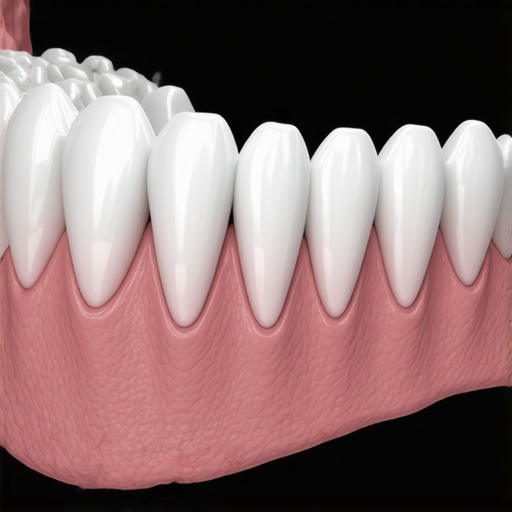
Reclaim Your Space Before It Is Gone for Good
If your teeth have already started their slow-motion migration, you cannot just shove an implant into a crooked gap. It is like trying to fit a new book onto a shelf where all the other books have flopped over. You have to straighten the ‘books’ first. This is where modern alignment comes in. Many people assume they need metal tracks, but when weighing invisalign vs traditional braces which is smarter for your lifestyle, the discreet nature of clear aligners usually wins for adults. I personally had to use them to push my molars back into their original zip code after mine started tilting. Do not be alarmed if why your teeth feel loose during the second month of invisalign becomes a concern—that is just the ligaments loosening so the teeth can actually move back where they belong.
Keep the Rest of Your Team Healthy During the Transition
While you are managing the ‘gap’ crisis, the rest of your mouth becomes a high-maintenance zone. When teeth shift, they create ‘nooks’ that your toothbrush cannot reach. I remember a specific Tuesday morning when I realized my gums were bleeding only near the tilted tooth—it was the first sign of a localized infection because the gap had become a trap for debris. You have to level up your hygiene game. Looking into modern teeth cleaning innovations that reduce sensitivity and boost results can help you manage those hard-to-reach spots without making your mouth feel like it is being power-washed. If you have spent months hiding your smile, you might also consider the ultimate guide to teeth whitening and cosmetic enhancements to bring some life back to your enamel once the structural work is done. The goal is not just to fix the hole; it is to ensure the foundation stays solid for the next fifty years.Wait, before you run to the drugstore to fix that gap or brighten those shifting teeth, we need to talk about the ‘natural’ trap. Everyone says that switching to charcoal toothpaste is the healthiest way to whiten your smile, but in my experience, this is the quickest way to destroy your dental foundation. Most people assume that because a product is ‘natural,’ it is inherently gentle. However, activated charcoal is incredibly abrasive. It acts like high-grit sandpaper on your enamel, and once that enamel is gone, it is gone forever. This leads to a frustrating cycle where you try to fix the yellowing by scrubbing harder, only to reveal more of the yellowish dentin underneath. I have seen countless patients who thought they were being proactive with the truth about charcoal toothpaste and your tooth enamel only to end up with permanent sensitivity and a duller smile. If you are struggling with discoloration while your teeth are shifting, you should focus on the best way to whiten your teeth if you have naturally thin enamel rather than reaching for the latest viral trend. 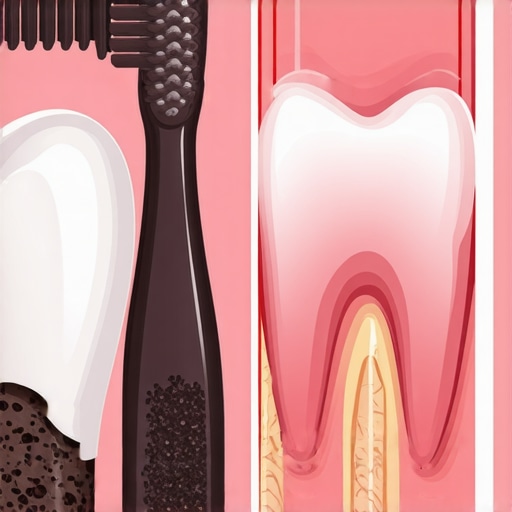
Don’t Fall for the ‘Squeaky Clean’ Fallacy
Another common mistake is the belief that a professional cleaning should hurt or feel like your teeth are being ‘scraped’ to death to be effective. This is one of the many teeth cleaning myths debunked by top dentists. If you are pushing your gums back with a hard-bristled brush or demanding aggressive manual scaling, you are actually inviting gum recession. The ‘oops’ factor here is that gum recession from over-aggressive cleaning is often permanent without a surgical graft. You want thorough biofilm removal, not a deep-tissue demolition. In fact, modern teeth cleaning innovations that reduce sensitivity and boost results prove that we can get a better clean using guided biofilm therapy and ultrasonic tools that protect the soft tissue while obliterating plaque.
Why does my dental implant feel like a foreign object when I bite down?
This is a question I get from patients who have successfully filled their gaps but still feel unsettled by the physical sensation. The nuance lies in biology: your natural teeth are surrounded by a periodontal ligament (PDL), which acts as a tiny shock absorber and sends sensory signals to your brain about exactly how hard you are biting. Dental implants, however, are fused directly to the bone through osseointegration. Research published in the International Journal of Implant Dentistry highlights that because implants lack this PDL, they do not provide the same sensory feedback to the brain. This is why you might notice the tapping sound why your dental implant feels different when you click your teeth. It is not that the implant is failing; it is that your brain has to recalibrate how it perceives pressure in that specific spot. This recalibration takes time, and ignoring the difference can lead to ‘heavy’ biting that eventually damages the opposing natural teeth. Finally, let’s look at the Invisalign maintenance trap. Many adults think that once the trays are in, the hard work is done. But if you aren’t obsessive about hygiene, you are essentially bathing your teeth in a bacterial soup for 22 hours a day. I have seen people perfectly align their teeth only to end up with three new cavities because they didn’t know how to stop your invisalign trays from smelling like old saliva or ignored invisalign maintenance expert tips for clear confident smiles. They focused on the ‘look’ but ignored the biology of the environment. Have you ever fallen into this trap of thinking ‘natural’ or ‘aggressive’ was always better for your teeth? Let me know in the comments.Once you have invested in your alignment and structural health, the game changes from ‘repair’ to ‘preservation.’ I personally made the switch to a high-frequency water flosser because it is the only tool that effectively navigates the tight space behind my permanent retainer. If you are still struggling with manual floss, you are likely leaving behind 40% of the plaque that leads to the very shifting and decay we discussed earlier. By maintaining your teeth cleaning routine for long-term health, you aren’t just cleaning teeth; you are protecting a multi-thousand-dollar investment in your confidence. I use the pulse-stream method because the mechanical vibration disrupts biofilm better than any string ever could, reaching the microscopic gaps where bacteria love to hide.  Expert biomimetic dentists, such as Dr. David Alleman, argue that the goal of modern dentistry should be to maximize the bond and minimize the stress on the tooth. This philosophy extends to your home tools; you want something that removes bacteria without traumatizing the soft tissue or abrasive enamel wear. This is why modern teeth cleaning innovations that reduce sensitivity and boost results are becoming the gold standard in home care.
How can I keep my cosmetic work looking new for a decade?
The secret isn’t a special ‘whitening’ toothpaste that might scratch your surfaces; it is consistency and the right hardware. For example, if you have implants or bridges, you might need to learn the secret to keeping your dental implant clean when you have limited dexterity if standard flossing feels awkward. For those in the middle of an alignment journey, mastering invisalign maintenance expert tips for clear confident smiles is absolutely non-negotiable. I recommend using ultrasonic cleaning baths for your aligners or night guards twice a week; it’s the only way to truly solve the problem of how to stop your invisalign trays from smelling like old saliva. Looking ahead, I predict we will soon see AI-powered intraoral cameras integrated into our daily routines. These devices will scan your mouth during your morning brush and sync with your dentist’s office, catching ‘mesial drift’ or enamel thinning before you even feel a twinge. We are moving toward a ‘pre-diagnostic’ era where cosmetic dentistry innovations 2025 will focus as much on digital monitoring as they do on aesthetics. I strongly encourage you to invest in a quality sonic toothbrush with a pressure sensor this week—your future self will thank you for the saved bone and bright enamel. Don’t just brush; manage your oral biome like the ecosystem it is.I spent nearly two years whistling through my teeth—and not the musical kind. After a cracked molar forced an extraction, I looked at the estimate for a dental implant and thought, ‘I can live with this gap for a while; nobody even sees it when I smile.’ I figured my mouth would just stay exactly as it was, a static snapshot in time. I was wrong. It wasn’t until I noticed my front teeth looking slightly crooked that I realized my mouth was actually a slow-motion construction site where everything was shifting without a permit. If you are sitting there wondering if you can push that appointment off another six months, let me share the hard lesson I learned about the domino effect of missing teeth. Today, we are going to dive into the structural chaos that happens below the gumline and why ‘waiting until next year’ is the most expensive dental decision you can make.
Your Teeth are Social Creatures That Hate Empty Spaces
You might think your teeth are bolted into your jawbone like pillars, but they are actually held in a delicate balance by their neighbors. When one tooth goes missing, the others start to lean into the void like they are trying to eavesdrop on a secret. This process, called ‘mesial drift,’ can completely ruin your alignment. I actually started noticing how to stop your bottom teeth from crowding as you get older became a much harder conversation to have once my back teeth started tilting over. This shifting doesn’t just change your smile; it creates tiny, unreachable pockets where bacteria throw a party, often leading to situations where how regular teeth cleaning can prevent major dental issues becomes your only saving grace. Have you noticed your floss catching in new, weird places lately?
Is a single missing tooth really worth the massive investment?
It is easy to be skeptical when a dentist talks about ‘bone resorption.’ It sounds like a sci-fi term designed to scare you into a high-priced procedure. However, the reality is visceral. According to the American Academy of Implant Dentistry, you can lose up to 25% of the bone width in that gap area within the very first year of tooth loss. I made the mistake of waiting so long that my jawbone thinned out, and I ended up needing a bone graft before they could even talk about an implant. I thought I was being frugal, but my delay doubled the cost of the final repair. We often focus on the cosmetic side, but the structural integrity of your face depends on those roots. If you are currently in the waiting phase, we can even discuss how we hide a gap while waiting for your permanent implant so you don’t feel self-conscious while you get your health back on track. In the next section, we will break down the ‘Face Collapse’ phenomenon that happens when you lose too much bone.
Stop the Bone From Melting Away Like Unused Muscle
Think of your jawbone like a bicep. If you stop lifting weights, the muscle atrophies because your body decides it does not need to waste energy maintaining it. Your jaw is the same; it stays dense because the roots of your teeth provide ‘vibration’ and pressure every time you chew. When that tooth is gone, the stimulation stops, and the bone literally begins to dissolve. This is why timing is everything. I once spoke with a patient who waited five years to address a gap; by the time we looked at enhance your look cosmetic dentistry innovations 2025, his jaw had thinned so much that a standard implant was not even an option without major surgery. #IMAGE_PLACE_HOLDER_B#
Reclaim Your Space Before It Is Gone for Good
If your teeth have already started their slow-motion migration, you cannot just shove an implant into a crooked gap. It is like trying to fit a new book onto a shelf where all the other books have flopped over. You have to straighten the ‘books’ first. This is where modern alignment comes in. Many people assume they need metal tracks, but when weighing invisalign vs traditional braces which is smarter for your lifestyle, the discreet nature of clear aligners usually wins for adults. I personally had to use them to push my molars back into their original zip code after mine started tilting. Do not be alarmed if why your teeth feel loose during the second month of invisalign becomes a concern—that is just the ligaments loosening so the teeth can actually move back where they belong.
Keep the Rest of Your Team Healthy During the Transition
While you are managing the ‘gap’ crisis, the rest of your mouth becomes a high-maintenance zone. When teeth shift, they create ‘nooks’ that your toothbrush cannot reach. I remember a specific Tuesday morning when I realized my gums were bleeding only near the tilted tooth—it was the first sign of a localized infection because the gap had become a trap for debris. You have to level up your hygiene game. Looking into modern teeth cleaning innovations that reduce sensitivity and boost results can help you manage those hard-to-reach spots without making your mouth feel like it is being power-washed. If you have spent months hiding your smile, you might also consider the ultimate guide to teeth whitening and cosmetic enhancements to bring some life back to your enamel once the structural work is done. The goal is not just to fix the hole; it is to ensure the foundation stays solid for the next fifty years.Wait, before you run to the drugstore to fix that gap or brighten those shifting teeth, we need to talk about the ‘natural’ trap. Everyone says that switching to charcoal toothpaste is the healthiest way to whiten your smile, but in my experience, this is the quickest way to destroy your dental foundation. Most people assume that because a product is ‘natural,’ it is inherently gentle. However, activated charcoal is incredibly abrasive. It acts like high-grit sandpaper on your enamel, and once that enamel is gone, it is gone forever. This leads to a frustrating cycle where you try to fix the yellowing by scrubbing harder, only to reveal more of the yellowish dentin underneath. I have seen countless patients who thought they were being proactive with the truth about charcoal toothpaste and your tooth enamel only to end up with permanent sensitivity and a duller smile. If you are struggling with discoloration while your teeth are shifting, you should focus on the best way to whiten your teeth if you have naturally thin enamel rather than reaching for the latest viral trend. #IMAGE_PLACE_HOLDER_C#
Don’t Fall for the ‘Squeaky Clean’ Fallacy
Another common mistake is the belief that a professional cleaning should hurt or feel like your teeth are being ‘scraped’ to death to be effective. This is one of the many teeth cleaning myths debunked by top dentists. If you are pushing your gums back with a hard-bristled brush or demanding aggressive manual scaling, you are actually inviting gum recession. The ‘oops’ factor here is that gum recession from over-aggressive cleaning is often permanent without a surgical graft. You want thorough biofilm removal, not a deep-tissue demolition. In fact, modern teeth cleaning innovations that reduce sensitivity and boost results prove that we can get a better clean using guided biofilm therapy and ultrasonic tools that protect the soft tissue while obliterating plaque.
Why does my dental implant feel like a foreign object when I bite down?
This is a question I get from patients who have successfully filled their gaps but still feel unsettled by the physical sensation. The nuance lies in biology: your natural teeth are surrounded by a periodontal ligament (PDL), which acts as a tiny shock absorber and sends sensory signals to your brain about exactly how hard you are biting. Dental implants, however, are fused directly to the bone through osseointegration. Research published in the International Journal of Implant Dentistry highlights that because implants lack this PDL, they do not provide the same sensory feedback to the brain. This is why you might notice the tapping sound why your dental implant feels different when you click your teeth. It is not that the implant is failing; it is that your brain has to recalibrate how it perceives pressure in that specific spot. This recalibration takes time, and ignoring the difference can lead to ‘heavy’ biting that eventually damages the opposing natural teeth. Finally, let’s look at the Invisalign maintenance trap. Many adults think that once the trays are in, the hard work is done. But if you aren’t obsessive about hygiene, you are essentially bathing your teeth in a bacterial soup for 22 hours a day. I have seen people perfectly align their teeth only to end up with three new cavities because they didn’t know how to stop your invisalign trays from smelling like old saliva or ignored invisalign maintenance expert tips for clear confident smiles. They focused on the ‘look’ but ignored the biology of the environment. Have you ever fallen into this trap of thinking ‘natural’ or ‘aggressive’ was always better for your teeth? Let me know in the comments.Once you have invested in your alignment and structural health, the game changes from ‘repair’ to ‘preservation.’ I personally made the switch to a high-frequency water flosser because it is the only tool that effectively navigates the tight space behind my permanent retainer. If you are still struggling with manual floss, you are likely leaving behind 40% of the plaque that leads to the very shifting and decay we discussed earlier. By maintaining your teeth cleaning routine for long-term health, you aren’t just cleaning teeth; you are protecting a multi-thousand-dollar investment in your confidence. I use the pulse-stream method because the mechanical vibration disrupts biofilm better than any string ever could, reaching the microscopic gaps where bacteria love to hide. #IMAGE_PLACE_HOLDER_D# Expert biomimetic dentists, such as Dr. David Alleman, argue that the goal of modern dentistry should be to maximize the bond and minimize the stress on the tooth. This philosophy extends to your home tools; you want something that removes bacteria without traumatizing the soft tissue or abrasive enamel wear. This is why modern teeth cleaning innovations that reduce sensitivity and boost results are becoming the gold standard in home care.
How can I keep my cosmetic work looking new for a decade?
The secret isn’t a special ‘whitening’ toothpaste that might scratch your surfaces; it is consistency and the right hardware. For example, if you have implants or bridges, you might need to learn the secret to keeping your dental implant clean when you have limited dexterity if standard flossing feels awkward. For those in the middle of an alignment journey, mastering invisalign maintenance expert tips for clear confident smiles is absolutely non-negotiable. I recommend using ultrasonic cleaning baths for your aligners or night guards twice a week; it’s the only way to truly solve the problem of how to stop your invisalign trays from smelling like old saliva. Looking ahead, I predict we will soon see AI-powered intraoral cameras integrated into our daily routines. These devices will scan your mouth during your morning brush and sync with your dentist’s office, catching ‘mesial drift’ or enamel thinning before you even feel a twinge. We are moving toward a ‘pre-diagnostic’ era where cosmetic dentistry innovations 2025 will focus as much on digital monitoring as they do on aesthetics. I strongly encourage you to invest in a quality sonic toothbrush with a pressure sensor this week—your future self will thank you for the saved bone and bright enamel. Don’t just brush; manage your oral biome like the ecosystem it is.
The Unspoken Truths I Learned While My Teeth Were Moving
Looking back, I realize that a missing tooth is never a solitary problem. If I could give my younger self a shortcut, I would emphasize that bone loss isn’t just a clinical term—it’s a change in the physical architecture of your face that happens much faster than you think. I also learned that falling for common teeth cleaning myths debunked by top dentists, like the idea that bleeding gums are ‘normal’ when you haven’t flossed in a while, is just an invitation for the shifting to accelerate. Your teeth stay in place because the surrounding tissue is healthy; once that health slips, the domino effect begins. I now treat my hygiene appointments as structural inspections rather than just cosmetic polishings.
My Non-Negotiable Kit for Protecting a Shifting Smile
Stabilizing my mouth required more than just willpower; it required the right tools. I’ve refined my routine down to three essentials that I trust implicitly. First is the ultrasonic cleaner, which I used after discovering how to clean the stubborn cloudiness off your night guard; it keeps the plastic from harboring bacteria that could affect my gums. Second, for anyone with complex hardware, the secret to keeping your dental implant clean when you have limited dexterity is often a specialized interproximal brush or a high-end water flosser. Finally, I moved to a sonic toothbrush with an app that tracks my coverage. These aren’t just gadgets; they are the insurance policy for the work I’ve had done.
Reclaim the Confidence You Didn’t Realize You Lost
Taking control of your dental health is one of the most empowering things you can do for your self-esteem. Whether you are currently exploring enhance your look cosmetic dentistry innovations 2025 or simply trying to stop a gap from getting worse, remember that your smile is a living investment. It’s never too late to stop the drift and rebuild your foundation. Don’t let a single missing tooth dictate the future of your bite or the shape of your face. Have you ever felt that strange sensation of your teeth moving, or are you currently on the fence about getting an implant? Let me know your experience in the comments below!