
I sat on my kitchen floor, clutching a lukewarm mug of saltwater like it was a holy relic, my heart racing every time I felt a tiny bit of saliva pool in my cheek. I had just come back from the dentist, and the local anesthetic was starting to fade into that dull, familiar ache. My biggest fear? Screwing up the healing process. I’d heard horror stories about dry socket and was convinced that even a single wrong move would ruin my recovery. I remember looking at the sink, mouth full of salt water, and suddenly freezing. Wait, can I spit? If I spit, does the blood clot come with it? That moment of pure panic is why I’m writing this today. We’re going to walk through the exact, delicate science of rinsing so you don’t have to spend your afternoon hovering over a bathroom mirror in a cold sweat. If you have ever dealt with the strange sensation of phantom pain after an extraction, you know that the mental game of recovery is half the battle. Today, I’ll show you how to keep that site clean without the drama.
Why You Can’t Just Swish Like Your Usual Morning Routine
The biggest mistake I made during my first ever extraction—years before I knew better—was treating my mouth like a laundry machine. I took a huge gulp of water and swished with the intensity of someone trying to win a gold medal in oral hygiene. Bad move. When you have a fresh extraction site, that hole in your gum is protected by a tiny, miraculous blood clot. If you swish too hard, you create a vacuum that can yank that clot right out. According to the American Dental Association, dry socket (alveolar osteitis) occurs when that clot is lost, exposing the underlying bone and nerves to air and food, which is precisely as painful as it sounds. Before you even get to this stage, choosing the right dentist for the procedure is the first step in ensuring your post-op instructions are clear and personalized. But once you’re home, the responsibility is on you. Have you ever felt that sudden, sharp panic that you might have accidentally dislodged something? It is a terrifying feeling, but I promise that if you follow the ’tilt and gravity’ method, you’ll be just fine.
Is it really possible to mess up a simple mouth rinse?
The short answer is yes, but it is also very easy to get right once you stop thinking of it as ‘rinsing’ and start thinking of it as ‘bathing.’ You aren’t trying to power-wash the area. In fact, most pros suggest avoiding any rinsing at all for the first 24 hours. When you finally do start, you need to avoid the ‘spit.’ Spitting creates a suction force that is the natural enemy of a healing socket. Instead, I learned to lean my head over the sink and simply let the water fall out of my mouth. It’s messy, it’s not graceful, and you’ll probably have salt water running down your chin, but it saves your smile. Even if you are used to the deep-clean feeling of regular professional care, this is the one time in your life where being ‘lazy’ with your oral routine is actually the healthiest choice you can make. We’re aiming for a gentle soak that keeps bacteria at bay while letting your body do the heavy lifting of knitting that tissue back together.
The First Day Is a Strict No-Rinse Zone
The most vital instruction I ever received from my surgeon was to do absolutely nothing for the first 24 hours. Your mouth is currently a construction site, and the foundation is that fresh blood clot. If you start rinsing too early, you’re essentially power-washing a house before the cement has dried. During this time, you might experience some discomfort, much like how one might manage a throbbing toothache on a long-haul flight; it’s about patience and keeping things still. I spent my first evening just swallowing carefully and resisting the urge to check the site every five minutes. Trust the process and let the clot stabilize.
Get the Saltwater Ratio Right Every Time
Once you hit the 24-hour mark, it’s time for your first ‘bath.’ Forget the fancy mouthwashes—they usually contain alcohol or peroxides that can sting like crazy and delay healing. You want a simple saline solution. The golden rule is half a teaspoon of salt dissolved in eight ounces of warm water. It shouldn’t be boiling, or you’ll end up needing to know how to soothe a burn on the roof of your mouth. I remember my second day post-op, I tried using cold water because I thought it would help the swelling. Big mistake. The sudden chill sent a jolt through my jaw that made me see stars. From then on, it was lukewarm or nothing. 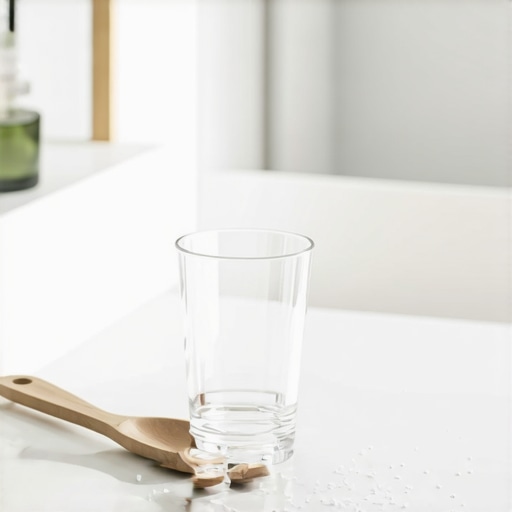
Master the Gentle Tilt to Protect the Clot
This is where the ‘science’ of the rinse happens. Take a small sip of your warm saltwater. Do not swish. Instead, tilt your head toward the side of the extraction, then tilt it to the other side. Imagine you are slowly rolling a marble across the floor of your mouth. When you are done, lean over the sink, open your mouth, and let the water fall out. No spitting. I’ll be honest: I felt like a drooling toddler the first few times I did this. I had saltwater running down my chin and onto my shirt, but that messy drip is exactly what keeps the clot in place. If you find your mouth feels particularly sensitive during this time, it’s similar to the precautions taken for teeth cleaning for sensitive teeth in 2025—gentleness is your best friend.
Don’t Panic if Your Teeth Feel Dirty
By day three, you’ll probably notice that your mouth feels ‘fuzzy.’ Since you can’t brush directly over the wound, you might wonder why your teeth feel sticky only a few hours after brushing the rest of your mouth. This is normal. You can brush your other teeth normally, but when you get near the extraction site, go slow. To avoid any sharp shocks, you should also learn how to stop the sharp pain when you drink room temperature water, as the area will be tender for several days. I found that using a soft-bristled brush and taking my time made me feel less like a swamp creature without risking the socket’s integrity.
Why Your Obsession with Hygiene Might Be Delaying Your Healing
I used to think that the more I scrubbed, the cleaner my mouth would be, but in the world of post-extraction recovery, that logic is a recipe for disaster. Most people assume that keeping a wound ‘spotless’ requires constant intervention. However, there is a hidden nuance that many patients miss: the difference between bacterial control and mechanical agitation. According to a study published in the Journal of Oral and Maxillofacial Surgery, excessive mechanical cleaning or high-pressure rinsing in the first 72 hours is a leading contributor to localized osteitis, or dry socket. You aren’t just cleaning; you’re potentially disrupting the fibrin scaffold that your body is building. If you are someone who prides yourself on a rigorous routine, like those found in maintaining your teeth cleaning routine for long term health, you have to shift your mindset from ‘scrubbing’ to ‘protecting.’
Can You Start Invisalign While Your Gums Are Still Healing?
This is a question I see from many patients looking toward their future Hollywood smile. While you might be eager to jump into Invisalign innovations for a perfect smile in 2025, timing is everything. Moving teeth while a socket is actively remodeling can interfere with bone density. Generally, you need to wait until the soft tissue has fully closed—usually a few weeks—before the pressure of an aligner is safe. If you rush it, you risk more than just discomfort; you risk the stability of the surrounding teeth. Once you do start, you’ll need to master things like how to stop your Invisalign trays from smelling like old saliva, but for now, the extraction site is the priority. 
The Trap of Thinking You Are Fully Healed After Seven Days
The ‘oops’ factor usually kicks in around day seven or eight. The pain is gone, the swelling has subsided, and you feel invincible. This is exactly when most people make the mistake of returning to their 12-ounce morning brew or crunchy snacks. While you might know the coffee lovers secret to preventing deep enamel stains, the heat and suction of drinking a hot beverage can still cause late-stage complications in a socket that hasn’t fully mineralized. I’ve seen patients think they were in the clear, only to experience a sharp ache because they resumed ‘normal’ life too quickly. Even if you are transitioning into cosmetic dentistry trends that transform smiles today, the foundational health of that extraction site remains the most important factor. Have you ever fallen into this trap of over-cleaning or rushing back to your routine because you were scared of infection or just impatient? Let me know in the comments. We also need to debunk some cosmetic dentistry myths to ensure your long-term plan is based on reality, not just marketing. Focus on the ‘lazy’ rinse for at least ten days, and your future self—and your future dental implants or aligners—will thank you.
Keep Your New Gums Happy Long After the Stitches Are Gone
I used to think a two-dollar toothbrush and some generic string floss were enough to protect my mouth. I was wrong. Once you have invested in an extraction, a bridge, or a permanent replacement, you have to start thinking like a professional. I personally made the switch to a high-end water flosser because manual flossing around a healing site or a crown can be incredibly clumsy. The American Academy of Implant Dentistry (AAID) points out that peri-implantitis—the primary cause of implant failure—is often triggered by poor cleaning in those hard-to-reach pockets. A water flosser allows you to flush out debris using targeted pressure without the ‘sawing’ motion of traditional floss that can irritate sensitive, recovering gums. If you are currently in the waiting game, knowing how to tell if your dental implant is finally fully healed is vital; look for tissue that is a healthy coral pink rather than a deep, angry red.
How do I maintain my cosmetic dental work over time?
Consistency is admittedly boring, but it is the only way to avoid a return to the surgeon’s chair. For those of us using clear aligners, Invisalign maintenance expert tips for clear confident smiles often focus on what not to do, but I want to talk about an essential ‘do’: the ultrasonic cleaner. I bought a small, jewelry-style ultrasonic pod specifically for my trays. It uses high-frequency sound waves to blast away the microscopic biofilm that manual brushing simply misses. It is the only way I have found to ensure trays stay crystal clear. If you are gearing up for a seasonal refresh, these teeth cleaning tips for a brighter smile this spring can help you transition your routine as your surgical sensitivity finally begins to fade. 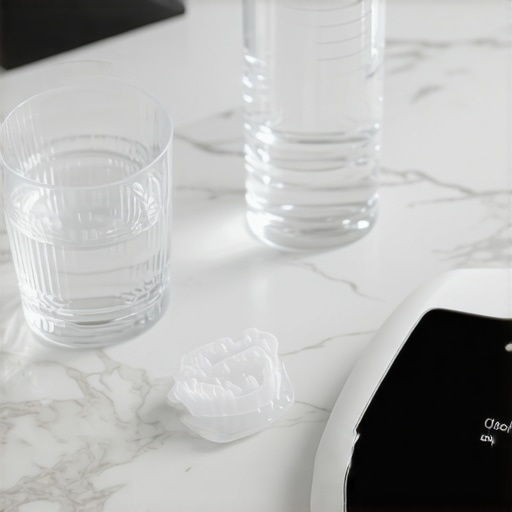
Why AI Is About to Change Your Morning Brushing Routine
I predict that the next five years will see a massive shift toward ‘Smart Biometrics’ in our bathrooms. We are already seeing modern teeth cleaning innovations that reduce sensitivity and boost results, but the next step is real-time mapping. Imagine a toothbrush with AI sensors that maps your mouth in 3D, identifying inflammation before you even see blood in the sink and sending a report directly to your provider. For someone who has struggled with the secret to keeping your dental implant clean when you have limited dexterity, this technology will be a total game-changer. It takes the guesswork out of recovery and puts the power of a hygienist in your own hands. Here is my advanced tip for you: for the next week, swap your standard mouthwash for a pH-neutralizing rinse. Many commercial brands are surprisingly acidic and can actually soften your enamel shortly after surgery. Switching to a neutral saline or specialized pH-balanced rinse will stabilize your oral environment and speed up tissue knit.I sat on my kitchen floor, clutching a lukewarm mug of saltwater like it was a holy relic, my heart racing every time I felt a tiny bit of saliva pool in my cheek. I had just come back from the dentist, and the local anesthetic was starting to fade into that dull, familiar ache. My biggest fear? Screwing up the healing process. I’d heard horror stories about dry socket and was convinced that even a single wrong move would ruin my recovery. I remember looking at the sink, mouth full of salt water, and suddenly freezing. Wait, can I spit? If I spit, does the blood clot come with it? That moment of pure panic is why I’m writing this today. We’re going to walk through the exact, delicate science of rinsing so you don’t have to spend your afternoon hovering over a bathroom mirror in a cold sweat. If you have ever dealt with the strange sensation of phantom pain after an extraction, you know that the mental game of recovery is half the battle. Today, I’ll show you how to keep that site clean without the drama.
Why You Can’t Just Swish Like Your Usual Morning Routine
The biggest mistake I made during my first ever extraction—years before I knew better—was treating my mouth like a laundry machine. I took a huge gulp of water and swished with the intensity of someone trying to win a gold medal in oral hygiene. Bad move. When you have a fresh extraction site, that hole in your gum is protected by a tiny, miraculous blood clot. If you swish too hard, you create a vacuum that can yank that clot right out. According to the American Dental Association, dry socket (alveolar osteitis) occurs when that clot is lost, exposing the underlying bone and nerves to air and food, which is precisely as painful as it sounds. Before you even get to this stage, choosing the right dentist for the procedure is the first step in ensuring your post-op instructions are clear and personalized. But once you’re home, the responsibility is on you. Have you ever felt that sudden, sharp panic that you might have accidentally dislodged something? It is a terrifying feeling, but I promise that if you follow the ’tilt and gravity’ method, you’ll be just fine.
Is it really possible to mess up a simple mouth rinse?
The short answer is yes, but it is also very easy to get right once you stop thinking of it as ‘rinsing’ and start thinking of it as ‘bathing.’ You aren’t trying to power-wash the area. In fact, most pros suggest avoiding any rinsing at all for the first 24 hours. When you finally do start, you need to avoid the ‘spit.’ Spitting creates a suction force that is the natural enemy of a healing socket. Instead, I learned to lean my head over the sink and simply let the water fall out of my mouth. It’s messy, it’s not graceful, and you’ll probably have salt water running down your chin, but it saves your smile. Even if you are used to the deep-clean feeling of regular professional care, this is the one time in your life where being ‘lazy’ with your oral routine is actually the healthiest choice you can make. We’re aiming for a gentle soak that keeps bacteria at bay while letting your body do the heavy lifting of knitting that tissue back together.
The First Day Is a Strict No-Rinse Zone
The most vital instruction I ever received from my surgeon was to do absolutely nothing for the first 24 hours. Your mouth is currently a construction site, and the foundation is that fresh blood clot. If you start rinsing too early, you’re essentially power-washing a house before the cement has dried. During this time, you might experience some discomfort, much like how one might manage a throbbing toothache on a long-haul flight; it’s about patience and keeping things still. I spent my first evening just swallowing carefully and resisting the urge to check the site every five minutes. Trust the process and let the clot stabilize.
Get the Saltwater Ratio Right Every Time
Once you hit the 24-hour mark, it’s time for your first ‘bath.’ Forget the fancy mouthwashes—they usually contain alcohol or peroxides that can sting like crazy and delay healing. You want a simple saline solution. The golden rule is half a teaspoon of salt dissolved in eight ounces of warm water. It shouldn’t be boiling, or you’ll end up needing to know how to soothe a burn on the roof of your mouth. I remember my second day post-op, I tried using cold water because I thought it would help the swelling. Big mistake. The sudden chill sent a jolt through my jaw that made me see stars. From then on, it was lukewarm or nothing.
Master the Gentle Tilt to Protect the Clot
This is where the ‘science’ of the rinse happens. Take a small sip of your warm saltwater. Do not swish. Instead, tilt your head toward the side of the extraction, then tilt it to the other side. Imagine you are slowly rolling a marble across the floor of your mouth. When you are done, lean over the sink, open your mouth, and let the water fall out. No spitting. I’ll be honest: I felt like a drooling toddler the first few times I did this. I had saltwater running down my chin and onto my shirt, but that messy drip is exactly what keeps the clot in place. If you find your mouth feels particularly sensitive during this time, it’s similar to the precautions taken for teeth cleaning for sensitive teeth in 2025—gentleness is your best friend.
Don’t Panic if Your Teeth Feel Dirty
By day three, you’ll probably notice that your mouth feels ‘fuzzy.’ Since you can’t brush directly over the wound, you might wonder why your teeth feel sticky only a few hours after brushing the rest of your mouth. This is normal. You can brush your other teeth normally, but when you get near the extraction site, go slow. To avoid any sharp shocks, you should also learn how to stop the sharp pain when you drink room temperature water, as the area will be tender for several days. I found that using a soft-bristled brush and taking my time made me feel less like a swamp creature without risking the socket’s integrity.
Why Your Obsession with Hygiene Might Be Delaying Your Healing
I used to think that the more I scrubbed, the cleaner my mouth would be, but in the world of post-extraction recovery, that logic is a recipe for disaster. Most people assume that keeping a wound ‘spotless’ requires constant intervention. However, there is a hidden nuance that many patients miss: the difference between bacterial control and mechanical agitation. According to a study published in the Journal of Oral and Maxillofacial Surgery, excessive mechanical cleaning or high-pressure rinsing in the first 72 hours is a leading contributor to localized osteitis, or dry socket. You aren’t just cleaning; you’re potentially disrupting the fibrin scaffold that your body is building. If you are someone who prides yourself on a rigorous routine, like those found in maintaining your teeth cleaning routine for long term health, you have to shift your mindset from ‘scrubbing’ to ‘protecting.’
Can You Start Invisalign While Your Gums Are Still Healing?
This is a question I see from many patients looking toward their future Hollywood smile. While you might be eager to jump into Invisalign innovations for a perfect smile in 2025, timing is everything. Moving teeth while a socket is actively remodeling can interfere with bone density. Generally, you need to wait until the soft tissue has fully closed—usually a few weeks—before the pressure of an aligner is safe. If you rush it, you risk more than just discomfort; you risk the stability of the surrounding teeth. Once you do start, you’ll need to master things like how to stop your Invisalign trays from smelling like old saliva, but for now, the extraction site is the priority.
The Trap of Thinking You Are Fully Healed After Seven Days
The ‘oops’ factor usually kicks in around day seven or eight. The pain is gone, the swelling has subsided, and you feel invincible. This is exactly when most people make the mistake of returning to their 12-ounce morning brew or crunchy snacks. While you might know the coffee lovers secret to preventing deep enamel stains, the heat and suction of drinking a hot beverage can still cause late-stage complications in a socket that hasn’t fully mineralized. I’ve seen patients think they were in the clear, only to experience a sharp ache because they resumed ‘normal’ life too quickly. Even if you are transitioning into cosmetic dentistry trends that transform smiles today, the foundational health of that extraction site remains the most important factor. Have you ever fallen into this trap of over-cleaning or rushing back to your routine because you were scared of infection or just impatient? Let me know in the comments. We also need to debunk some cosmetic dentistry myths to ensure your long-term plan is based on reality, not just marketing. Focus on the ‘lazy’ rinse for at least ten days, and your future self—and your future dental implants or aligners—will thank you.
Keep Your New Gums Happy Long After the Stitches Are Gone
I used to think a two-dollar toothbrush and some generic string floss were enough to protect my mouth. I was wrong. Once you have invested in an extraction, a bridge, or a permanent replacement, you have to start thinking like a professional. I personally made the switch to a high-end water flosser because manual flossing around a healing site or a crown can be incredibly clumsy. The American Academy of Implant Dentistry (AAID) points out that peri-implantitis—the primary cause of implant failure—is often triggered by poor cleaning in those hard-to-reach pockets. A water flosser allows you to flush out debris using targeted pressure without the ‘sawing’ motion of traditional floss that can irritate sensitive, recovering gums. If you are currently in the waiting game, knowing how to tell if your dental implant is finally fully healed is vital; look for tissue that is a healthy coral pink rather than a deep, angry red.
How do I maintain my cosmetic dental work over time?
Consistency is admittedly boring, but it is the only way to avoid a return to the surgeon’s chair. For those of us using clear aligners, Invisalign maintenance expert tips for clear confident smiles often focus on what not to do, but I want to talk about an essential ‘do’: the ultrasonic cleaner. I bought a small, jewelry-style ultrasonic pod specifically for my trays. It uses high-frequency sound waves to blast away the microscopic biofilm that manual brushing simply misses. It is the only way I have found to ensure trays stay crystal clear. If you are gearing up for a seasonal refresh, these teeth cleaning tips for a brighter smile this spring can help you transition your routine as your surgical sensitivity finally begins to fade.
Why AI Is About to Change Your Morning Brushing Routine
I predict that the next five years will see a massive shift toward ‘Smart Biometrics’ in our bathrooms. We are already seeing modern teeth cleaning innovations that reduce sensitivity and boost results, but the next step is real-time mapping. Imagine a toothbrush with AI sensors that maps your mouth in 3D, identifying inflammation before you even see blood in the sink and sending a report directly to your provider. For someone who has struggled with the secret to keeping your dental implant clean when you have limited dexterity, this technology will be a total game-changer. It takes the guesswork out of recovery and puts the power of a hygienist in your own hands. Here is my advanced tip for you: for the next week, swap your standard mouthwash for a pH-neutralizing rinse. Many commercial brands are surprisingly acidic and can actually soften your enamel shortly after surgery. Switching to a neutral saline or specialized pH-balanced rinse will stabilize your oral environment and speed up tissue knit.
Three Crucial Lessons My Recovery Taught Me
Looking back at my own journey through tooth extractions and later cosmetic procedures, a few lightbulb moments changed how I view dental health forever. First, the ‘lazy rinse’ is actually a high-performance skill. By letting gravity do the work, you are actively participating in your body’s cellular reconstruction. Second, debunking those old-school teeth cleaning myths debunked by top dentists taught me that less is often more during the first week; your mouth is a self-healing marvel if you just get out of its way. Finally, I realized that every extraction is just an opportunity for a better foundation. Whether you are moving toward implants or fixed bridges, treating the socket with respect today ensures the success of your cosmetic dentistry innovations tomorrow.
My Essential Toolkit for a Stress-Free Healing Week
I’ve narrowed down the recovery process to a few specific items that took the anxiety out of the equation for me. I keep a dedicated eight-ounce glass and a pre-measured half-teaspoon scoop on my counter to ensure my salt ratio is perfect every time. This eliminates the ‘is this too salty?’ panic. I also highly recommend using a phone timer for that first 24-hour no-rinse window; it’s easy to lose track of time and accidentally swish too early. For long-term health, I truly believe in teeth cleaning secrets like switching to a high-quality water flosser once the tissue has fully closed. It’s the most effective way I’ve found to keep new dental work pristine without the mechanical trauma of traditional floss.
Your Future Smile Starts with This Single Clot
It might feel frustrating to sit on the sidelines and ‘lazy rinse’ while you wait for your mouth to heal, but don’t be afraid to take this time slow. This tiny blood clot is the hero of your recovery story. By being patient today, you are clearing the path for incredible results, whether you’re looking into Invisalign success stories from real patients or planning a full Hollywood transformation. Your extraction site is temporary, but the healthy habits you build now will protect your smile for a lifetime. Did you find it harder to give up solid food or your morning coffee during those first few days of recovery? Let me know in the comments below!