
I’ll never forget the cold sweat I felt at my cousin’s outdoor wedding three years ago. The sun was hitting everyone just right, the photographer was shouting ‘cheese,’ and all I could think about was the ‘black hole’ between my front teeth that seemed to grow ten sizes whenever a camera appeared. I had spent years thinking about how to close that gap without braces, but in that moment, I needed a fix in exactly sixty seconds. I ended up trying to tuck a tiny piece of white paper back there—spoiler alert: it was a disaster. It looked like I had a piece of popcorn stuck in my teeth, and I spent the rest of the night too embarrassed to speak. We’ve all been there, staring at a lens and wishing we’d prioritized that Invisalign transformation months ago. But today, I’m going to share the real-world, ‘I’m-in-the-bathroom-mirror-now’ tricks that actually work for last-minute photos, plus the long-term secrets that finally gave me peace of mind.
Stop Fearing the Flash with These Quick Adjustments
Honestly, half the battle isn’t the gap itself; it’s how you’re presenting it to the lens. I used to think the only way to look good was to keep my mouth tightly shut, which just made me look like I was hiding a secret (and not a good one). The first thing I learned is that bathroom lighting and camera flashes are notorious for making shadows look deeper than they are. According to researchers at the American Academy of Cosmetic Dentistry, even minor dental misalignments can be amplified by up to thirty percent under direct, harsh lighting. My biggest mistake early on? Trying to use ‘dental wax’ from a drugstore kit without warming it up first. It stayed lumpy and fell out during a toast. If you want to look natural, you have to work with what you have or use temporary fixes that don’t look like a craft project. [image_placeholder]
Is a temporary hack really worth the stress?
I know what you’re thinking: ‘Won’t people notice I’m doing something weird?’ The truth is, most people are too busy worrying about their own double chins to analyze your incisors. But you have to do it right. If you’re looking for a permanent change, I’ve found that dental bonding or even composite resin fixes are the gold standard. However, when the shutter is about to click, you need something faster. Have you ever caught yourself practicing a ‘half-smile’ in the mirror just to hide a space you’re self-conscious about? Tell me I’m not the only one who has spent twenty minutes in a public restroom trying to get the angle just right. Let’s look at how to angle your face and use a few common household items to bridge the gap instantly.
Master the Angle That Blurs the Space
If you are standing directly in front of a camera, that gap is going to act like a spotlight. I learned this the hard way at a company retreat where every photo made me look like I was missing a tooth entirely. The trick is a slight forty-five-degree head tilt. When you angle your face, the overlap of your front teeth from the camera’s perspective naturally minimizes the appearance of the space. If you have ever wondered why your smile looks crooked in selfies but not in the mirror, it usually comes down to how the lens perceives symmetry and depth. By tilting your chin slightly down and to the side, the shadow of the ‘leading’ tooth casts over the gap, effectively masking it without you having to do anything physical to your mouth. This won’t change your teeth, but it changes the way light enters the space.
The Tongue-Press Trick for Instant Results
This is my go-to move when I have zero tools. While you are smiling, gently press your tongue against the back of your two front teeth. Do not push hard enough to move them—you aren’t trying to do DIY orthodontics—but just enough so the tip of your tongue fills the void. Because the tongue is pink/red, it eliminates the ‘black hole’ effect that high-contrast photography creates. I once used this during a high-stakes LinkedIn headshot session. Before I knew this trick, the gap looked like a missing pixel in my digital profile. After, the space was barely noticeable because the dark shadow was gone. It takes practice to do this without looking like you’re sticking your tongue out, so spend a minute in front of your phone camera first.
Warm Your Dental Wax for a Seamless Fit
If you are using temporary dental wax, the biggest mistake is taking it straight from the package to your teeth. It will look like a white blob. I remember a date where I tried this and the wax was so cold it wouldn’t stick; I ended up swallowing it halfway through my appetizer. Instead, roll a tiny amount between your thumb and forefinger for at least sixty seconds. The heat from your skin makes it translucent and pliable. Once it’s soft, press it into the gap and use a toothpick to shave away the excess until it’s flush with your enamel. This can also help if you are experiencing sensitivity, much like how to stop the sharp pain when you drink room temperature water by providing a temporary barrier. 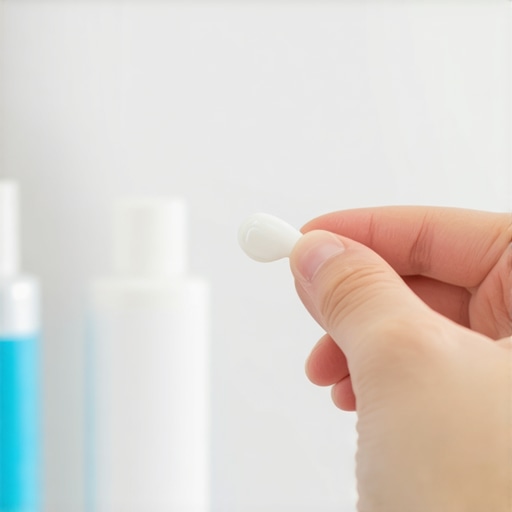
Switch to Long-Term Confidence
While hacks are great for a Saturday night, they are exhausting to maintain. I eventually realized that I was spending more time worrying about my ‘temporary’ fixes than it would take to actually fix the problem. Looking into cosmetic dentistry trends that transform smiles beyond expectations opened my eyes to how fast modern tech moves. For example, how we use composite resin to fix a gap between your two front teeth is a game-changer because it’s non-invasive and often completed in under an hour. If you prefer a more systemic approach, choosing the best Invisalign options for your lifestyle allows you to close the gap permanently while keeping the process nearly invisible. No matter which route you take, remember that even regular teeth cleaning and care ensures that when you finally do close that gap, the teeth underneath are healthy and bright.Let’s dig deeper because there is a nuance most people miss when they start obsessing over their smile. Everyone says that a ‘deep’ clean should feel slightly abrasive, but in my experience, that’s where the trouble starts. If you’re feeling a ‘squeaky’ sensation, you might actually be stripping your protective pellicle layer. It’s a classic mistake to think more pressure equals more polish. In fact, why your dental hygienist told you to stop using hard-bristled toothbrushes isn’t just a suggestion—it’s a warning against permanent gum recession that can make a gap look even wider.
Stop Scrubbing Like You’re Cleaning a Kitchen Floor
Most people assume their teeth are indestructible, but the ‘Oops’ factor here is real. If you over-polish or use high-abrasive charcoal pastes, you aren’t just removing stains; you’re thinning the enamel. This leads to a nightmare scenario where the reason your front teeth look transparent at the very bottom becomes painfully obvious. A study published in the Journal of the American Dental Association (JADA) confirms that non-carious cervical lesions are frequently caused by improper brushing techniques rather than decay itself. When your enamel thins, it doesn’t just look grey—it makes navigating cosmetic dentistry myths debunked by top dentists even harder because you have less ‘canvas’ to work with for bonding or veneers. 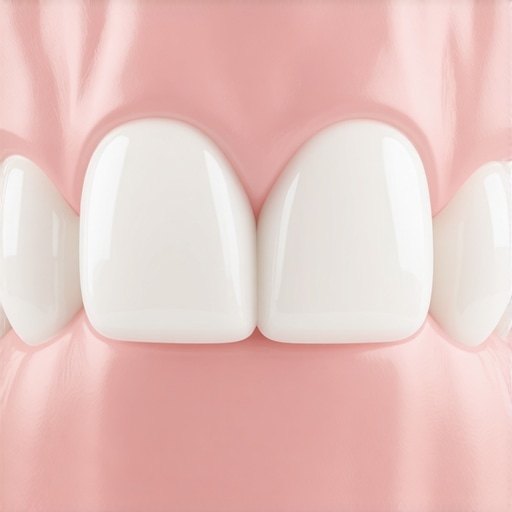
Why do your aligners feel tighter some mornings than others?
If you are on an Invisalign journey, you’ve likely noticed a weird rhythm to your discomfort. It’s not your imagination. Understanding why your Invisalign aligners feel tight every Monday morning often comes down to micro-shifts that happen if you’re slightly less disciplined over the weekend. Advanced users know that Invisalign maintenance expert tips for clear confident smiles aren’t just about cleaning the plastic; it’s about the ‘wear-time’ consistency that prevents the ‘rebound’ effect where teeth try to migrate back to their original positions. The biggest trap is thinking you can ‘make up’ for lost hours by wearing them tighter the next day. This can actually stress the periodontal ligament unnecessarily and slow down your progress. Have you ever fallen into this trap? Let me know in the comments. Whether you are battling a gap or just trying to keep your enamel intact, the secret is always in the subtle adjustments, not the force. Following teeth cleaning myths debunked by top dentists will save you more money and pain than any last-minute ‘hack’ ever could.Once you have finally corrected that gap or finished your alignment journey, the real work begins—and no, it does not have to be a chore. I used to think a basic manual brush and some random floss were enough until I saw the tiny scratches my ‘aggressive’ brushing was leaving on my bonding. Now, I swear by a specific set of tools that keep everything looking like I just stepped out of the dentist’s chair. First on my list is a high-quality water flosser. If you have tight spaces or attachments, why your dental hygienist uses a water flosser instead of manual tools starts to make a lot of sense; it gets into the ‘nooks’ that string simply shreds in. I also recommend an ultrasonic cleaner for anyone with retainers or night guards. I spent months scrubbing mine with a toothbrush before realizing I was actually creating micro-abrasions that trapped bacteria. Learning how to clean your night guard without turning it yellow using these vibrations was a total game-changer for my morning breath.
Upgrade Your Toolkit with These Daily Essentials
Beyond the gadgets, the chemistry of what you put in your mouth matters. I’ve switched to hydroxyapatite toothpaste because it actually helps remineralize the enamel rather than just scrubbing it. This is especially crucial for teeth cleaning for sensitive teeth what works best in 2025, as it fills in those microscopic tubules that cause that ‘zing’ when you drink cold water. As Dr. Gordon Christensen, a world-renowned expert in restorative dentistry and founder of Clinicians Report, often emphasizes, the longevity of any cosmetic work—whether it’s bonding or a veneer—is eighty percent dependent on the patient’s daily biofilm management. This isn’t just about ‘brushing’; it’s about the precision of your routine. 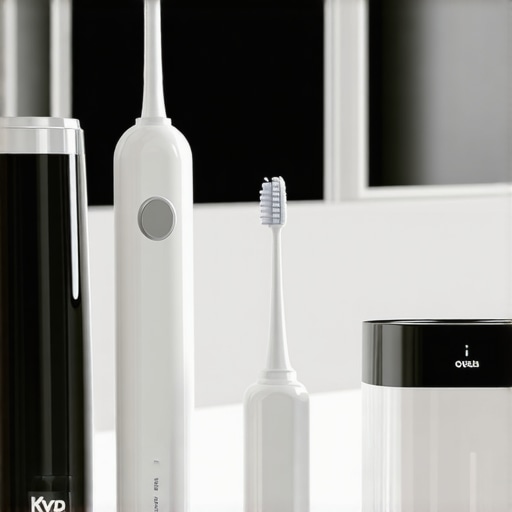
How do I maintain my dental results over time?
Consistency beats intensity every single time. I’ve found that maintaining your teeth cleaning routine for long-term health requires a ‘check-in’ system. Every Sunday night, I do what I call the ‘Clink Test’—gently tapping my teeth to ensure my bonding feels solid—and I check my gum line for any signs of redness. If you are an Invisalign alum, Invisalign maintenance expert tips for clear confident smiles always include wearing your Vivera retainers as instructed, but I take it a step further by using a pH-balancing mouth rinse to keep the oral microbiome stable. This prevents the acid erosion that can make your teeth look dull over time.
AI and Bio-Materials Are Changing the Smile Game
Looking ahead, I’m incredibly excited about where dental tech is going. We are moving toward a world of ‘Smart Dental Monitoring’ where your phone can scan your teeth and alert you to early signs of decay before a human eye can see it. We are also seeing modern teeth cleaning innovations that reduce sensitivity and boost results through bio-active glass and targeted enzyme therapy. I predict that within the next five years, we won’t just be ‘cleaning’ our teeth; we will be ‘recharging’ them with minerals through personalized trays. It makes Invisalign innovations why 2025 is the year for a perfect smile look like just the beginning of a total oral health revolution. Try this tonight: switch to a soft-bristled brush and spend exactly thirty seconds on your tongue before you even touch your teeth. You’ll be shocked at how much fresher your whole mouth feels by morning.
The Hardest Lessons My Front-Teeth Gap Taught Me
Reflecting on my journey, I’ve realized that the ‘black hole’ I saw in photos was often more about my own self-perception than the reality of my smile. One major lightbulb moment was discovering that gum health dramatically impacts how wide a gap looks; inflammation can make spaces appear darker and more prominent. I also learned that how regular teeth cleaning can prevent major dental issues is the foundation for any cosmetic work. If your gums aren’t healthy, even the best bonding won’t look right. My biggest takeaway? Professional fixes are always more cost-effective in the long run than constant DIY stress. I spent more on ‘quick fixes’ over five years than I eventually spent on a single, permanent solution that actually worked.
The Gear I Actually Use Every Morning
I don’t just talk the talk; I’ve curated a specific toolkit that keeps my smile in peak condition. My first non-negotiable is a high-pressure water flosser, which I find far more effective than string for keeping the areas around my bonding debris-free. I also rely on hydroxyapatite toothpaste to keep my enamel thick and opaque, which helps prevent that ‘see-through’ look at the edges of the teeth. If you are just starting your search for professional help, I highly recommend looking at choosing the right dentist expert tips for your best smile journey to ensure you find a provider who understands your specific aesthetic goals. For inspiration, I often look at cosmetic dentistry insights to see what is possible with modern technology.
[image_placeholder]
Step Into the Light with Confidence
Whether you decide to embrace your gap as a unique trademark or choose to close it for a more uniform look, the goal is the same: feeling uninhibited when you laugh. You deserve to look at a camera and see yourself, not just a dental concern. If you’re still feeling unsure, exploring cosmetic dentistry for discolored teeth your path to radiance might give you the boost you need to take that first step toward a total transformation. Your smile is a reflection of your joy—don’t let a small space keep you from sharing it with the world. Have you ever tried a ‘quick fix’ for your smile that ended up being a total disaster? Let me know in the comments below!