
I sat in the dental chair last Tuesday, feeling like an absolute star student because I’d actually managed to floss every single day for six months straight. I expected a breeze, a high-five from my hygienist, and a quick exit. Instead, by the time I pulled into my driveway, my mouth felt like it had been through a mid-sized construction project. My gums were pulsing with a dull, rhythmic throb that made even the thought of eating a soft piece of toast feel ambitious. I stared at myself in the rearview mirror, checking for redness, and wondered what on earth went wrong. I’d followed all the usual teeth cleaning tips for a brighter smile, so why was I hurting? If you’ve ever felt like your mouth was holding a grudge after a routine check-up, you’re in the right place. Today, we are going to dive into the surprisingly common reasons for that post-scraping ache and how you can bounce back faster than I did. [image_placeholder_1]
That Unexpected Post-Cleaning Ache Is Not Just in Your Head
Early in my journey of taking oral health seriously, I made a massive mistake: I assumed that if I didn’t see blood when I brushed, my gums were perfectly healthy. I was dead wrong. Sometimes, even with a solid routine, hidden inflammation lurks just beneath the gum line, waiting for a professional touch to stir it up. When a hygienist goes in for that deep dive, they are clearing out microscopic irritants and hardened tartar that your toothbrush simply cannot budge. This process, while necessary, can be a bit of a shock to the system. Have you ever wondered why your teeth feel sticky even after you’ve put in the work? It’s usually because of biofilm that only professional tools can fully disrupt. According to the American Academy of Periodontology, nearly half of all adults over the age of 30 have some form of periodontal disease, which makes the tissue much more reactive and prone to soreness after it’s been handled.
Is My Hygienist Just Being Too Rough With Me?
It’s the first question we all ask when we leave the office feeling tender. We start questioning the technique or wondering if they had a particularly stressful morning. While every professional has a different touch, the discomfort usually stems from your own body’s immune response rather than someone being “too rough.” If it’s been a while since your last visit, or if you’ve been under a lot of stress lately, your gums might naturally be more sensitive to the touch. I once spent an entire week blaming a new hygienist for my sore jaw, only to realize I’d been neglecting the modern teeth cleaning innovations that help manage sensitivity. Have you ever left a routine appointment feeling like you just went twelve rounds in a boxing ring? You aren’t alone. Understanding why your jaw feels tired and your gums are tender is the first step toward making your next visit a whole lot smoother.
Think of a professional dental cleaning like power-washing an old deck. The end result is sparkling and structurally sound, but immediately after the high-pressure spray, the wood is a little raw and vulnerable. Your gums are no different. When that tartar—which has been acting like a hard, protective (albeit toxic) shell—is removed, your nerve endings are suddenly exposed to the elements. Here is how you can manage that transition period without living on a liquid diet for a week.
Cool Your Gums Before the Throb Starts
The first few hours after you leave the office are the most critical. This is what I call the ‘Golden Hour’ of oral recovery. I learned this the hard way last autumn. I had just finished a session and decided to reward myself with a massive, ice-cold fruit smoothie. Big mistake. Within two sips, I felt a sharp, electrical zapping sensation that radiated all the way to my ear. If you’ve ever wondered why your gums throb after drinking a fruit smoothie, it’s because the sudden temperature shift causes the blood vessels in your pulp to constrict and expand rapidly against sensitive nerves. Stick to room-temperature water for at least four hours. If you must eat, choose something that requires zero ‘side-to-side’ grinding, like Greek yogurt or lukewarm mashed potatoes.
The Salt Water Ritual for Faster Healing
This isn’t just an old wives’ tale your grandmother told you; it’s basic chemistry. A salt water rinse creates an alkaline environment in your mouth that bacteria hate, and it physically draws out excess fluid from inflamed gum tissue. I once had a particularly grueling cleaning where my hygienist had to use a water flosser to get under a bridge. My mouth felt like a construction zone. By rinsing with warm salt water every three hours, the swelling went down by dinner time. You can learn more about the salt water rinse secret for healing a bitten cheek faster to see why this simple hack is a staple in post-op care. It’s the cheapest and most effective anti-inflammatory tool in your arsenal.

Switch to a Softer Approach for the First 48 Hours
Your usual brushing technique might be too aggressive for the days following a deep scrape. Even if you love that ‘squeaky clean’ feeling, you need to treat your mouth like fine silk. One of the biggest mistakes patients make is trying to maintain their ‘star student’ status by scrubbing even harder when they feel sore. This actually delays the reattachment of the gum tissue to the tooth root. There is a specific reason why your dental hygienist told you to stop using hard-bristled toothbrushes—they create micro-tears in the already sensitive tissue. Switch to an extra-soft manual brush and use circular, sweeping motions rather than a back-and-forth sawing action. If your teeth feel particularly zingy, look into teeth cleaning for sensitive teeth products that contain potassium nitrate to temporarily ‘numb’ those tiny tubules in your dentin.
Distinguishing Regular Ache from Real Issues
It’s normal to feel ‘beat up’ for 24 to 48 hours, but you should know when the discomfort is crossing a line. A dull ache is part of the process; a sharp, localized pain that prevents you from closing your mouth is not. Sometimes, the cleaning process can irritate a pre-existing condition you didn’t know you had. For example, if you have a new filling that feels off, it might be why your new filling feels sensitive to cold air more than usual after the surrounding area has been disturbed. Similarly, if you are in the middle of an orthodontic journey, you might notice why your invisalign trays feel tighter on some days than others, especially after a cleaning has shifted some of the microscopic biofilm around your attachments. Keep a log of your pain levels; if it isn’t 50% better by the third morning, it’s time to call the front desk.
Let’s dig deeper into what’s actually happening during that appointment, because there is a massive misconception that white teeth are inherently healthy teeth. I’ve seen people with Hollywood-level brightness who were actually on the verge of gum recession. This is one of the many teeth cleaning myths debunked by top dentists every day. When we focus only on the shade of our smile, we miss the structural integrity of the foundation—your gums and bone. Uncovering teeth cleaning secrets how regular care boosts oral health at any age starts with understanding that a professional cleaning isn’t a cosmetic luxury; it’s a biological reset.
White Teeth Don’t Always Mean a Healthy Mouth
While many patients pursue cosmetic dentistry for discolored teeth your path to radiance, the health of the underlying tissue is what determines if those results last. If you ignore the scaling and only focus on the whitening, you’re essentially painting a house with a rotting frame. A study published in the Journal of Clinical Periodontology highlights that the disruption of the microbial biofilm is a mechanical necessity; chemical mouthwashes simply cannot penetrate the complex architecture that bacteria build on your teeth. This is why you can’t just rinse your way to a perfect check-up.
Does Professional Scaling Actually Weaken My Enamel Over Time?
It’s a common fear: the sound of the metal tool makes it feel like your teeth are being filed down. However, the reality is the exact opposite. Scaling removes the calcified tartar that actually leaches minerals from your teeth and provides a porous surface for more bacteria to cling to. By removing this ‘toxic shell,’ you allow your saliva to remineralize your enamel more effectively. 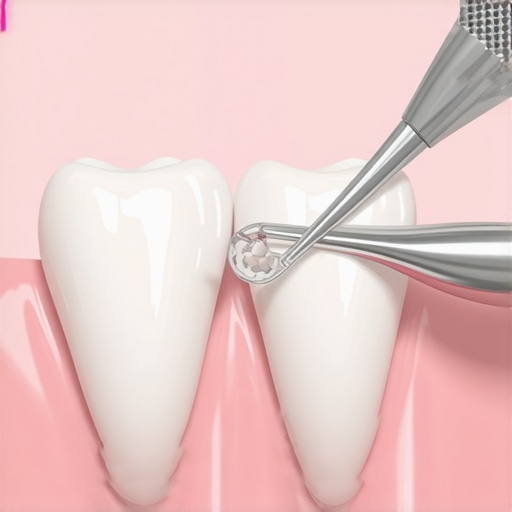
The Hidden Danger of DIY Whitening Right After a Cleaning
The biggest trap I see patients fall into—and I’ve been guilty of this too—is trying to ‘boost’ the cleaning results immediately with abrasive DIY products. If you reach for a tube of abrasive paste because you noticed a tiny spot the hygienist missed, stop. Based on the truth about charcoal toothpaste and your tooth enamel, these products can be devastating on newly exposed surfaces. Your teeth are more porous for the first 48 hours after a professional session. If you use a high-stain or high-abrasion product now, you’re basically inviting sensitivity and permanent wear. This is often why your professional whitening results faded so quickly this time; the enamel was too ‘open’ and immediately absorbed new stains. This maintenance is even more critical if you are currently using aligners. You might wonder why your invisalign trays feel tighter on some days than others, and often it’s because localized inflammation from plaque buildup is slightly changing the way the tray sits. Proper invisalign maintenance expert tips for clear confident smiles always start with a clean slate. Without that reset, your aligners are just trapping bacteria against your enamel for 22 hours a day. Many adults are embracing invisalign innovations why 2025 is the year for a perfect smile, but they often forget that the movement of teeth depends on a healthy foundation. Have you ever fallen into the trap of thinking a cleaning was ‘too much’ only to realize later it saved your smile? Let me know in the comments.
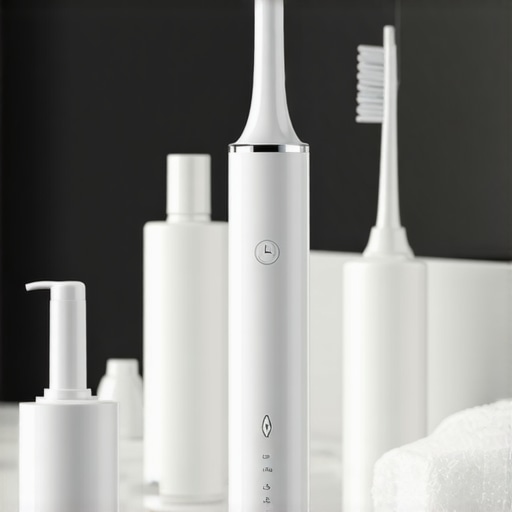
I used to think my old-school manual brush was enough, but I was essentially trying to mow a lawn with safety scissors. My transition to a pressure-sensing electric toothbrush was the single biggest game-changer for my gum health. I’m a chronic over-scrubber, and having a light that flashes red when I’m being too aggressive saved me from receding my own gums into oblivion. If you are serious about maintaining your teeth cleaning routine for long-term health, you need tools that protect you from your own bad habits. I also finally cracked the code on the secret to floss that doesn’t snap between tight teeth: it’s all about PTFE-coated tape rather than traditional string. It slides through my tightest molars like a hot knife through butter, making that daily habit significantly less annoying.
How can I maintain these professional results until my next visit?
The answer isn’t a secret potion; it’s consistency with professional-grade support. A technical review by the Cochrane Oral Health Group found that powered toothbrushes lead to an 11% reduction in plaque after one month of use compared to manual ones, and a staggering 21% reduction after three months. That’s a massive difference when you consider how regular teeth cleaning can prevent major dental issues like bone loss and chronic inflammation. I personally use interdental brushes—those tiny, flexible ‘Christmas tree’ brushes—to get into the gaps that even the best floss misses. It feels a bit strange at first, but once you see what your toothbrush left behind even after a thorough scrub, you’ll never go back to a basic routine.
The Future of Brushing Is Smarter Than You Think
I predict that by 2030, our dental tools will do half the thinking for us. We are already seeing why invisalign is the future of clear braces through AI-driven 3D mapping, but the next step is real-time biofilm analysis built into your toothbrush handle. Imagine your brush handle vibrating or changing color to tell you exactly where the bacteria are still hiding via a Bluetooth-connected app on your phone. Until that tech hits the mainstream, your best bet for invisalign maintenance expert tips for clear confident smiles is to stay obsessive about cleaning your trays and your teeth simultaneously. My advanced tip for this week? Try using a dedicated interdental brush dipped in a tiny bit of fluoride-rich sensitive toothpaste right before bed. It delivers minerals deep between the teeth where cavities love to start. Give it a shot tonight and see if your mouth doesn’t feel significantly more ‘polished’ by morning.
What I Finally Realized After Years of Cringing in the Chair
Looking back at my own dental history, there are a few lightbulb moments that completely changed my relationship with the hygienist’s chair. First, I stopped viewing the appointment as a ‘test’ I had to pass and started seeing it as a vital health reset. I used to feel so much shame if I was sore, but now I know that even the most diligent flosser can have stubborn spots. One major realization was that my gum sensitivity was often a reflection of my overall stress levels—when I am worn out, my mouth is more reactive. I also learned to stop falling for teeth cleaning myths debunked by top dentists, like the idea that a ‘rough’ cleaning is a bad one. Often, that thoroughness is exactly what saves you from future bone loss.
The Daily Gear That Keeps My Smile From Regressing
To keep that ‘just-cleaned’ feeling without the ‘just-scraped’ ache, I have narrowed my toolkit down to three non-negotiables. First, I ditched the cheap plastic handles for a pressure-sensing electric toothbrush; it is like having a tiny coach in your hand that prevents you from scrubbing your enamel away. Second, I swear by interdental brushes for the tight spots where my floss used to snap. Third, if you are an adult focusing on alignment, you need to follow invisalign maintenance expert tips for clear confident smiles to ensure your hardware is not harboring the very bacteria we are trying to clear out. I truly believe that maintaining your teeth cleaning routine for long-term health is 90% about having the right tools within arm’s reach.
Turn Your Next Check-Up into a Victory Lap
You do not have to fear the scraper. By understanding the biology of your gums and giving them the gentle care they need in those first 48 hours, you can walk out of your next appointment feeling empowered rather than exhausted. Oral health is not a destination; it is a daily practice of showing up for yourself. If you have been putting off a visit because you are worried about sensitivity, remember that modern techniques are designed with your comfort in mind. Don’t hesitate to reach out and contact us to discuss your concerns before you even sit in the chair. Your future self will thank you for the effort you put in today for a healthier, more resilient teeth cleaning experience. Have you ever experienced a strange sensation like a metallic flavor after a procedure? You might want to check out how to stop the metallic taste in your mouth after a deep cleaning for some quick relief. Have you ever noticed that your gums feel more sensitive when you are stressed out? Let me know in the comments!