
I was three days out from a massive keynote when I realized I couldn’t say my own name without whistling like a teapot. I had just started my journey with Invisalign for adults, and while my teeth were moving toward a better smile, my tongue was in a full-blown state of confusion. I stood in my bathroom, staring at the mirror, trying to pronounce ‘strategic’ and failing miserably. It’s a visceral kind of panic. You’ve invested in cosmetic dentistry trends because you want to project confidence, but suddenly, the very tool helping you get there makes you sound like a cartoon character. It’s frustrating. It’s embarrassing. But I promise you, it is completely temporary if you know the right tricks. [IMAGE_PLACEHOLDER_1]
How I Found My Voice Again Before the Big Day
When I first felt those Invisalign trays feel tight, I made the classic rookie mistake: I tried to talk less to hide the lisp. I thought if I just ‘rested’ my tongue, it would eventually figure it out. Spoiler alert: it didn’t. In fact, research published in the Journal of Orofacial Orthopedics suggests that while speech disturbances are common with clear aligners, the brain and tongue require active adaptation to regain clarity quickly. I had to learn the hard way that you can’t just wait for the lisp to vanish; you have to train your way through it. Today, I’m sharing the exact ‘speech bootcamp’ I used to stop Invisalign trays from making you talk with a lisp in less than 48 hours, so you can walk onto that stage—or into that Zoom room—feeling like the pro you are.
Does anyone actually notice your lisp besides you?
It’s the question that kept me up at 2 AM. We are our own harshest critics, but the truth is, people do notice subtle changes in speech, especially if you’re stumbling over key industry terms. However, they don’t care nearly as much as you do. The ‘lisp fear’ is often more about our own loss of control than the audience’s perception. Have you ever felt that sudden spike of anxiety when you realize your speech isn’t quite ‘right’ during an important conversation? Let me know in the comments if you’ve ever had to give a speech while your mouth felt like it was full of marbles!
Stop Over-Articulating and Start Singing
One of the biggest hurdles I faced was the pressure during the first day of new trays. My mouth felt crowded, and I started over-enunciating every single syllable. This actually made the lisp louder. My dentist recommended some great tips, but the real breakthrough came from a weird habit: singing in the shower. By pushing my tongue to move at different speeds and pitches, I forced it to find new ‘parking spots’ around the plastic. You need to stop treating your aligners like a foreign object and start treating them like a new part of your anatomy. We’re going to dive into the specific phonetics you need to master next.
Why Your Tongue Needs a New Map
The physics of a lisp is actually pretty simple: your tongue is used to hitting the back of your natural teeth to create specific sounds. When you add a layer of medical-grade plastic, that ‘landing zone’ moves forward by a fraction of a millimeter. It sounds tiny, but for your muscle memory, it’s like trying to walk up stairs when every step is an inch higher than usual. To fix this, you have to consciously recalibrate where your tongue strikes. I remember sitting in my car before a major networking event, repeating the word ‘Mississippi’ over and over because I kept whistling on every second syllable. By shifting my tongue slightly further back than usual, I compensated for the thickness of the tray. This isn’t just about vanity; it’s a part of Invisalign maintenance expert tips that ensures your trays work with you, not against you.
Nail the ‘S’ and ‘T’ Sounds First
The most common culprits for the ‘Invisalign whistle’ are the sibilant sounds. If you find yourself spraying saliva or whistling, try pulling your tongue slightly away from the roof of your mouth. When I first started, I found that my Invisalign for adults journey was much easier when I practiced ‘T’ sounds—think ‘Total,’ ‘Tactical,’ and ‘Tough.’ These force the tip of the tongue to make sharp, controlled contact, helping you gauge the new depth of the aligner. 
Read Anything and Everything Out Loud
This was my secret weapon. I didn’t just practice ‘speech’; I read the back of cereal boxes, technical manuals, and even my own emails. The goal is to move beyond the ‘rehearsed’ words and get your mouth comfortable with spontaneous speech. I once spent forty-five minutes reading a technical manual for a new coffee maker out loud to my cat. It felt absurd, but it worked. This active training is just as important as following teeth cleaning secrets for maintaining overall oral health and agility. By the end of that session, my tongue had naturally adapted to the plastic barrier.
Fight the Dry Mouth Fumble
One thing they don’t always tell you is that your mouth might produce more or less saliva as it reacts to the plastic. A dry mouth makes the plastic feel ‘sticky,’ which kills your articulation and makes words clump together. I always keep a bottle of water handy because hydration is the ultimate lubricant for clear speech. Much like modern teeth cleaning innovations help reduce sensitivity and improve results, keeping your mouth moist reduces the friction that leads to slurring. If you’re struggling during a meeting, take a small sip of water every few minutes to reset the environment in your mouth. This simple trick prevents your lips from catching on the edges of the trays.
Stop Assuming the Plastic Does All the Work
While staying hydrated handles the surface-level friction of a lisp, there is a much deeper nuance that most patients—and even some general dentists—tend to overlook. We often treat the trays as the ‘hero’ of the story, but the real magic happens in the foundation. Many people believe that once the trays are in, the biological work is automated. I certainly did. I thought as long as I hit my 22 hours a day, my Hollywood smile was guaranteed. But here is the contrarian truth: Invisalign is not a passive process. In my experience, the results are 40% the technology and 60% how you manage your oral environment. If you aren’t debunking common teeth cleaning myths early on, you are actually slowing down your tooth movement. When biofilm or microscopic plaque builds up around those tiny buttons on your teeth, it creates a subtle friction that the aligners can’t easily overcome. 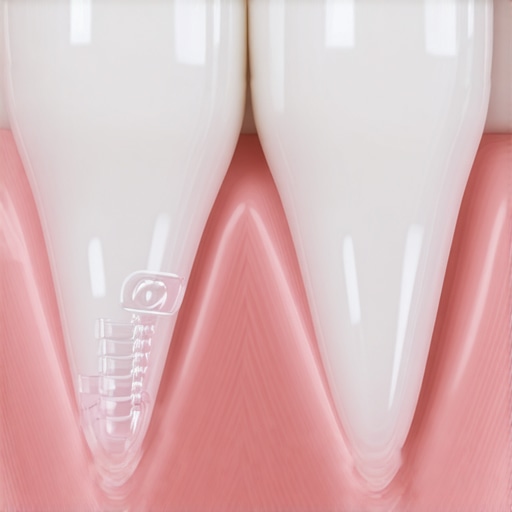
The Dangerous Trap of Neglecting Your Attachments
Here is the specific ‘oops’ factor I fell into: I focused so much on the trays that I ignored the hygiene of the attachments themselves. You know those little composite bumps that help the trays grip? If you don’t keep them pristine, they become magnets for bacteria, which can lead to localized inflammation. I started noticing why your Invisalign attachments feel like sandpaper against your cheeks—it wasn’t just the texture; it was often a lack of localized hygiene causing the tissue to react. Most patients think ‘cosmetic’ means ‘surface level,’ but cosmetic dentistry myths often hide the fact that underlying health is the primary driver of aesthetics.
Can professional cleanings actually speed up your alignment?
It sounds counterintuitive to focus on the gums when you want to move the teeth, but the answer is a resounding yes. A study published in the American Journal of Orthodontics and Dentofacial Orthopedics (AJODO) highlights that the health of the periodontal ligament is directly linked to the rate of tooth remodeling. If your gums are even slightly inflamed due to plaque trapped by your aligners, the biological ‘remodeling’ process slows down significantly. This is why I swear by modern teeth cleaning innovations that target the microscopic level during your treatment. You might think you’re saving time by skipping a deep clean while you have your trays, but you’re likely extending your total treatment time by weeks. Have you ever fallen into this trap of thinking the aligners were doing 100% of the heavy lifting? Let me know in the comments if you’ve noticed a difference in how your trays fit after a professional cleaning!
Stop Scrubbing Your Trays with a Toothbrush
After three months of treatment, I realized I was making a critical error that was actually dulling my results. I was using a standard toothbrush to clean my aligners. While it sounds intuitive, the bristles create microscopic scratches in the plastic that trap bacteria and make the trays look cloudy. To keep that clear, invisible look, I switched to an ultrasonic cleaner. This small device uses high-frequency sound waves to create cavitation bubbles that blast away debris without touching the plastic. It is one of those Invisalign maintenance expert tips that separates the amateurs from the pros. If you want to stop your Invisalign trays from smelling like old saliva, stop scrubbing and start vibrating. It’s a game-changer for the clarity of your trays and the health of your breath.
Why an Air Flosser Changes Everything
I used to struggle with the ‘fuzziness’ that happens when you wear trays all day. Even with religious brushing, biofilm finds a way. I started using a high-pressure air flosser combined with a specialized antimicrobial rinse. Dr. Robert Boyd, a pioneer in clear aligner therapy, has frequently noted that tray seat and hygiene are the two biggest variables in ‘tracking’ success. If your teeth aren’t perfectly clean, the tray won’t seat perfectly. This level of detail is why modern teeth cleaning innovations are so vital; they ensure the plastic makes full contact with the tooth surface. I also added a specific type of orthodontic ‘chewie’—not the cheap foam ones, but the firm silicone version—to my morning routine. Biting down on these for five minutes a day ensures my trays are fully ‘seated,’ which speeds up the biological movement of the roots. 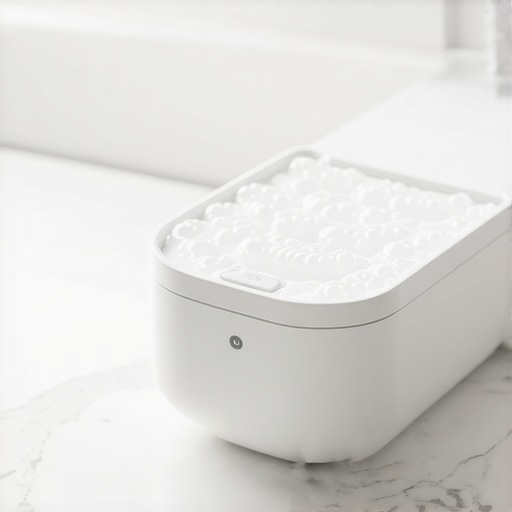
How do I keep my alignment locked in for the long haul?
This is the part people forget: the day you finish your last tray is actually the first day of your ‘retention’ phase. Your teeth have a ‘memory’ of their old positions due to the elastic fibers in your gums. To maintain that Hollywood smile, you must commit to a permanent retainer strategy. I personally use a combination of a fixed lingual wire and a nightly Vivera retainer. This dual-layer approach is the gold standard in maintaining your teeth cleaning routine for long-term health and alignment. Without it, you’ll be looking at a ‘re-treatment’ in five years.
Predicting the AI Smile Revolution
Looking ahead to 2025 and beyond, I predict we will see a massive shift toward AI-driven remote monitoring. We are already seeing apps that allow you to scan your teeth with your smartphone, which then uses computer vision to detect if your teeth are moving according to the plan. This means fewer office visits and more precise adjustments. It’s part of the broader Invisalign innovations that make the process more ‘lifestyle-friendly.’ We are moving toward a world where your teeth whitening and cosmetic enhancements are managed by an algorithm in your pocket, overseen by your doctor. If you haven’t yet, I highly recommend investing in an ultrasonic cleaner this week; it’s the single best way to keep your trays—and your confidence—perfectly clear.
What My Lisp Taught Me About True Confidence
After months of navigating this journey, I realized that the ‘Invisalign lisp’ is actually a rite of passage. It’s the physical manifestation of change. One thing experts rarely mention is the ‘Speech Mirror’ effect—where you perceive your own voice as distorted because of the bone conduction in your jaw, while to others, you sound perfectly normal. When I stopped obsessing over the tiny whistle, I started noticing how Invisalign success stories are often built on this exact moment of adaptation. It’s a mental game as much as a dental one.
- The lisp usually peaks during the first 48 hours of a new tray—try to schedule your big presentations for the middle or end of your tray cycle.
- True confidence isn’t the absence of a lisp; it’s the ability to keep speaking when you accidentally whistle during a punchline.
- Your ‘S’ sounds will actually become crisper over time because you’re becoming hyper-aware of tongue placement.
[IMAGE_PLACEHOLDER_E]
The Three Tools I Refuse to Live Without
If you want to keep your treatment on track and your breath fresh, you need a specialized kit. I’ve tried every gadget on the market, but these are the ones that actually make a difference for choosing the best Invisalign options for your lifestyle. First, an ultrasonic cleaner is non-negotiable for tray clarity; it removes the microscopic buildup that a brush simply cannot touch. Second, a high-quality air flosser will reach the gaps your brush misses, which is essential for following teeth cleaning tips for a brighter smile this spring. Finally, keep a set of silicone chewies in your car or desk; they are the secret to ensuring your trays seat perfectly, which keeps your tooth movement predictable and efficient.
Your Best Smile is Closer Than You Think
It’s easy to get bogged down in the daily maintenance and the temporary speech hurdles. But remember why you started this. Whether you chose this path for professional growth or personal happiness, you are investing in a version of yourself that smiles without hesitation. With the latest cosmetic dentistry innovations 2025 has brought to the forefront, the process is faster and more discreet than ever before. When you weigh the benefits of Invisalign vs traditional braces, the freedom to speak, eat, and clean your teeth normally is worth every second of the initial adjustment period. Don’t let a temporary lisp stop you from a lifetime of clear, confident communication. Have you found a specific word or phrase that always triggers your Invisalign whistle? Let me know in the comments below, and let’s swap tongue hacks!