
I was standing in the middle of a crowded grocery store when it happened. I saw an old friend, went to flash a friendly ‘hello’ grin, and my upper lip decided to stay permanently snagged on my front right bracket. I was essentially snarling at a sweet lady from church. It was humiliating. My mouth felt like it was made of Velcro, and the sharp metal of my new hardware was winning the battle against my skin. If you are currently nursing a raw inner lip or feeling like your mouth is a construction site, believe me, I have been there. I have lived through the ‘tucked lip’ look, and today, I am going to help you glide through your treatment without the constant snagging. When you first start your orthodontic journey, nobody really warns you about the friction. They talk about the straight teeth and the end goal, but they skip the part where your lips feel like they have been through a paper shredder. We are going to solve that today by looking at hydration, wax techniques, and some habits you probably didn’t even know were making it worse. [image_placeholder_1]
Stop the Snag and Reclaim Your Smile
We talk a lot about cosmetic dentistry trends and getting that Hollywood look, but the ‘Velcro effect’ is a very real, very painful hurdle. When you first get your wires on, your mouth hasn’t yet developed the protective ‘callouses’ it needs. I made a massive rookie mistake early on: I tried to use regular petroleum jelly to slick things down. It tasted like a gas station and wore off in minutes. Then I tried a cheap, flavored wax that crumbled before I could even finish my lunch. It was a disaster. You need a better strategy than just hoping for the best. Whether you are still weighing Invisalign vs. traditional braces or you are already fully committed to the metal, managing that friction is the only way to stay sane. It is not just about comfort; it is about preventing those tiny tears that can lead to canker sores. Finding a dentist who gets your smile means finding someone who gives you the right tools for this transition period.
Can simple home remedies actually fix this?
It is a valid worry. You might think you are destined to look like you are growling for the next eighteen months. But here is a surprising fact: according to the American Association of Orthodontists, the soft tissues in your mouth are some of the fastest-healing cells in your entire body. They just need a little help to stay hydrated. Surprisingly, the AAO notes that while your mouth produces more saliva initially as a reaction to the metal, many patients still suffer from ‘desert mouth’ at night, which causes the lip to adhere to the brackets like glue. Have you ever found yourself manually peeling your lip off your teeth in the middle of a conversation? It is the worst. If you ever have to handle a loose bracket, you know that the extra movement makes the snagging even more aggressive. Let’s look at the proactive steps you can take tonight to wake up without your mouth feeling like it is stuck together.
Master the Art of Orthodontic Wax
Applying wax seems simple, but there is a technique to making it stay put for more than five minutes. I remember my first week with braces—I tried to shove a glob of wax onto a bracket while my mouth was still soaking wet from saliva. Predictably, the wax slid off within seconds and ended up in my soup. It was gross and deeply frustrating. To make it work, you must dry the bracket completely. Use a clean tissue or even a Q-tip to blot the metal until it is bone-dry. Pinch off a piece of wax the size of a small pea, roll it between your fingers to warm it up—this makes it more pliable—and then press it firmly over the offending bracket. The goal is to create a smooth ‘bump’ that your lip can glide over instead of catching on. If the bracket is on a back molar, you might need to use a clean finger to hold the lip away while you dry the area. If you are wearing clear trays instead of brackets, invisalign maintenance expert tips often suggest similar smoothing techniques for any rough edges on the aligner. 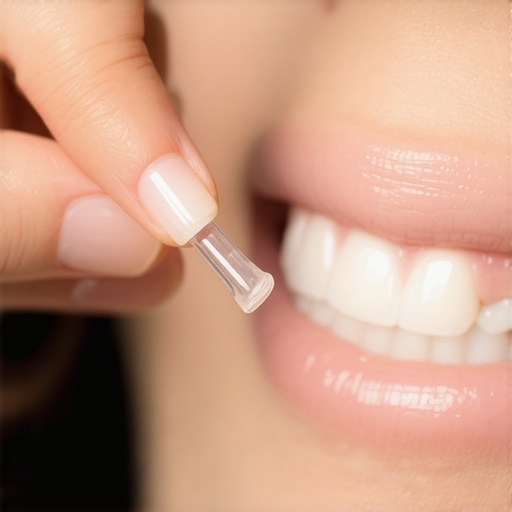
Drink Water Like Your Comfort Depends on It
Friction is exponentially worse when your mouth is dry. Think of it like a slide at a playground; if it’s dry, you stick and burn, but a little water makes everything move smoothly. When you have hardware in your mouth, your saliva acts as a natural lubricant. However, mouth-breathing or dehydration can turn that lubricant into a sticky mess. I found that carrying a dedicated water bottle and taking small sips every ten minutes kept my inner lips just slick enough to avoid the ‘Velcro effect.’ This is especially important if you have a heavy caffeine intake, as the reason your coffee habit is staining the back of your teeth is often linked to the way it dries out your oral environment. If you wake up with your lip fused to your teeth, try sleeping with a humidifier. Keeping the air moist prevents your mucous membranes from drying out. These teeth cleaning secrets for maintaining a healthy oral environment really pay off when your mouth isn’t constantly irritated.
Speed Up Healing with Warm Salt Water
If the snagging has already caused a small tear or a sore, you need to pivot from prevention to active healing. A warm salt water rinse is the gold standard here. Dissolve half a teaspoon of salt in a cup of warm water and swish for 30 seconds. The salt acts as a mild antiseptic and helps reduce swelling in the lip tissue, which actually makes it less likely to get caught again. It is a similar logic to the exact way to rinse your mouth after a tooth extraction; you want to keep the area clean without using harsh chemicals that sting. For the most painful spots, the best way to soothe a burn on the roof of your mouth also works well for bracket sores—avoiding spicy or acidic foods like hot sauce and orange juice until the tissue toughens up.
Stop the Constant Lip Checking
It is a nervous habit we all develop: running your tongue or your lip over the sharp part of the bracket to see if it still hurts. This constant motion is the enemy. Every time you ‘check’ the sore, you are causing micro-friction that prevents the skin from callousing. I used to do this subconsciously while watching TV, and my lip would stay swollen for days. Force yourself to leave it alone. If you feel the urge to fiddle with your hardware, try using a straw to drink water instead; it keeps your lips engaged in a different way. If your discomfort stems from the way you speak with new gear, learning how to get rid of the new aligner lisp before a big presentation can help you feel more confident and less likely to fidget with your mouth.
While masterfully applying wax and staying hydrated are great first steps, there is a level of nuance that most beginners miss. We often assume that the more hardware we have in our mouths, the more aggressive we need to be with our hygiene routine. However, after years of navigating the world of cosmetic dentistry, I’ve realized that ‘more’ isn’t always ‘better.’ In fact, many of these teeth cleaning myths can actually prolong your discomfort. If you are currently scrubbing your brackets until your gums are raw, you might be doing more harm than good.
Is your hyper-hygiene actually causing more gum inflammation?
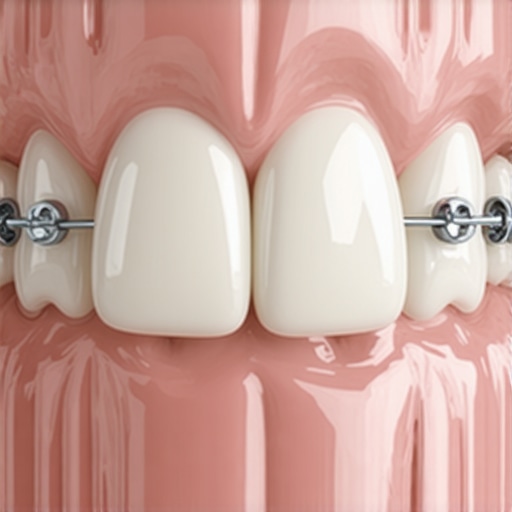
It sounds counterintuitive, but over-brushing is a massive trap during orthodontic treatment. Most people think they need to use a firm brush and a lot of pressure to get around those metal edges. This is the ‘Oops’ factor: aggressive scrubbing often pushes the delicate inner lip tissue right back into the metal, preventing those tiny abrasions from ever healing. Research published in the Journal of Clinical Periodontology indicates that orthodontic patients often overcompensate with mechanical force, leading to a significantly higher risk of gingival recession. Instead of scrubbing, you need to think of your routine as a gentle ‘detailing’ job. If you use abrasive products like charcoal toothpaste, you are essentially sanding down your enamel and irritating the very tissue that is trying to heal.
The Whitening Trap and the Danger of ‘Tan Lines’
Here is a hidden nuance that most dentists don’t emphasize enough until it is too late: stop trying to whiten your teeth while you have attachments or brackets. I have seen so many patients fall for cosmetic dentistry myths that suggest you can keep a perfect Hollywood white during treatment. If you use high-strength whiteners while wearing traditional braces or Invisalign attachments, you are going to end up with ‘tan lines’—darker spots where the bracket was bonded to the tooth. Not only that, but the chemicals in those whiteners can make your lips feel even more sensitive, increasing that ‘Velcro’ sensation every time you speak. If you notice why your teeth look blue in certain lighting, it is often a sign of thinning enamel or over-exposure to whitening agents, which makes the friction from your braces feel like a burn rather than a snag.
Balance Professional Cleanings with At-Home Comfort
Many patients believe they can skip their regular checkups because the orthodontist is ‘already looking at their teeth.’ This is a dangerous misconception. Your orthodontist is focused on bone movement, but your dental hygienist is focused on the soft tissue health that prevents that snagging feeling. Relying on invisalign maintenance expert tips is vital, but professional cleanings ensure that plaque doesn’t calcify around your brackets, creating sharp ‘hooks’ that your lip will inevitably catch on. Have you ever fallen into this trap of over-cleaning or skipping your regular hygienist? Let me know in the comments. The goal is to reach the end of your journey with a smile that isn’t just straight, but healthy and painless. If you are ready to take the next step in your smile transformation, you can contact us to find a specialist who understands the balance between aesthetics and comfort.
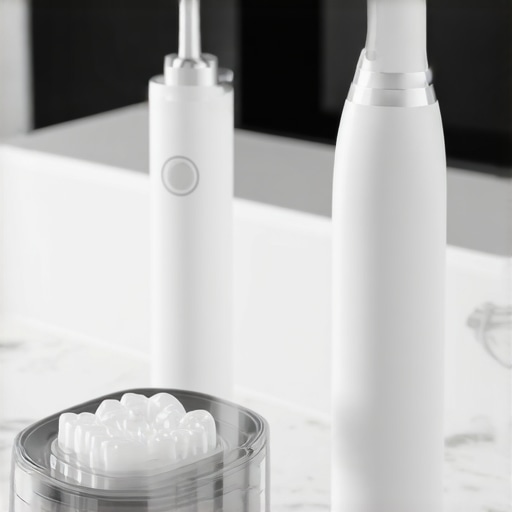
Once you’ve moved past the initial ‘Velcro’ phase and your mouth has finally toughened up, the game changes from survival to long-term maintenance. I used to think that just showing up for my adjustments was enough, but the real magic happens in the daily habits you cultivate at home. If you want to keep that progress moving without setbacks, you need to upgrade your toolkit. Personally, I stopped struggling with traditional string floss about two weeks into my treatment. It was like trying to thread a needle in a dark room while wearing oven mitts. I switched to a high-powered water flosser, and it changed everything. There is a reason why your dental hygienist uses a water flosser instead of manual tools; it flushes out the microscopic debris that a brush simply cannot reach, especially around those pesky back brackets.
The Secret Weapon for Aligner Clarity
If you are on the clear-tray path, your biggest enemy isn’t just friction—it’s biofilm. I’ve seen so many people let their trays get cloudy and yellow because they are only rinsing them with tap water. For my own routine, I swear by a dedicated ultrasonic cleaner. It’s a small pod that uses high-frequency sound waves to vibrate the plaque right off the plastic. It’s significantly more effective than scrubbing with a toothbrush, which actually creates micro-scratches where bacteria love to hide. This is a huge part of invisalign maintenance expert tips that often gets overlooked. Keeping those trays pristine isn’t just about aesthetics; it’s about ensuring the plastic stays rigid enough to move your teeth according to the plan. If you are still choosing the best invisalign options for your lifestyle, factor in the cleaning tools from day one.
How do I maintain my results over time?
The biggest mistake I see—and I nearly made it myself—is the ‘finish line’ fallacy. You think that the day the brackets come off, the work is over. In reality, teeth have a ‘memory’ and will desperately try to migrate back to their original, crooked homes. According to a study in the Journal of Orofacial Orthopedics, the stability of the mandibular arch depends heavily on consistent retainer wear during the first two years post-treatment. This is why maintaining your teeth cleaning routine for long-term health includes a lifelong commitment to your retainers. Whether it’s a permanent wire or a night-time tray, that hardware is the only thing standing between you and a second round of braces. I recommend setting a recurring ‘retainer check’ on your phone calendar every six months to inspect for cracks or warping.
The Future of Your Smile is Digital
We are entering an era where your smartphone will likely be as important as your toothbrush. I predict that within the next five years, AI-driven dental scans will be the standard for home monitoring. Instead of driving to the office every few weeks, you’ll take a high-res video of your teeth, and software will detect if a tooth isn’t ‘tracking’ correctly before you even feel the discomfort. This is precisely why invisalign is the future of clear braces; the technology is already shifting toward remote, data-heavy precision. We are moving away from reactive dentistry and into a phase of proactive, personalized care where ‘one size fits all’ is a thing of the past. If you’re dealing with sensitivity during this transition, look into teeth cleaning for sensitive teeth what works best in 2025 to stay ahead of the curve.
Try This Pro Tip Tonight
If you really want to level up your results, try ‘phased cleaning’ tonight. Instead of one long scrub, do a quick 30-second water floss immediately after eating, and save your deep cleaning for right before bed. This prevents food acids from sitting against your enamel and hardware for hours at a time. If you’ve been on the fence about starting your journey or need a pro to check your current progress, you should contact us today. Finding a dentist who gets your smile is the ultimate tool in your arsenal, ensuring that every piece of tech you buy is actually working toward that perfect Hollywood finish.
Why Your Mouth Finally Stops Fighting the Metal
Looking back at my own transformation, there are a few ‘lightbulb moments’ that made the ‘Velcro effect’ much more manageable. First, I realized that my mouth wasn’t actually the enemy; it was just trying to protect me. Once I stopped tensing my jaw, the friction decreased significantly. Second, the quality of your hydration is more important than the quantity. Drinking sugary drinks makes your saliva ‘sticky,’ which increases snagging, while plain water keeps things slick. Lastly, don’t be afraid to speak up during your adjustment. If a wire feels even a fraction of a millimeter too long, it will feel like a sword by day three.
The Gear That Actually Saved My Sanity
I wish someone had handed me a curated toolkit on day one. To keep your mouth from feeling like a construction site, I highly recommend investing in high-quality silicone-based wax—it stays on much longer than the standard beeswax provided at the office. For those looking at invisalign innovations why 2025 is the year for a perfect smile, an orthodontic-specific lip balm with vitamin E can be a lifesaver for the dry corners of your mouth. I also recommend checking out modern teeth cleaning innovations that reduce sensitivity and boost results to ensure your hygiene routine isn’t aggravating your already sensitive tissues. Keeping a small ‘comfort kit’ in your car or purse is the difference between a minor snag and a ruined afternoon.
#IMAGE_PLACE_HOLDER_E#
Keep Your Eyes on the Ultimate Prize
It is easy to get bogged down in the daily irritation of metal on skin, but remember that every day of discomfort is a day closer to the smile you’ve always wanted. This phase is temporary, but the results of your ultimate guide to invisalign for adults in 2025 or traditional braces will last a lifetime. Don’t let a few weeks of ‘Velcro lips’ discourage you from the goal. If you are ever feeling overwhelmed, you can always contact us for advice on managing the transition. You’ve got this, and your future self will thank you for sticking with it. Have you ever felt like your braces were winning the battle against your mouth? Let me know in the comments below!