
I remember sitting at a neighborhood barbecue last summer, enjoying a cold, crisp cola under the sun, when I noticed that familiar, uncomfortable sensation. I ran my tongue across my front teeth and realized they felt… fuzzy. It was as if they were suddenly wearing tiny, microscopic wool sweaters. I tried to discreetly lick the feeling away, but the more I tried, the tackier they felt. It’s a visceral, annoying experience that makes you want to reach for a toothbrush immediately. But here is the kicker: that instinct to scrub right away was actually the biggest mistake I could have made. I spent years thinking it was just the sugar sticking to my pearly whites, but the truth is far more scientific and a bit more urgent. Today, I want to walk you through exactly why this happens and how you can protect your smile without giving up your favorite occasional treat.
Have you ever noticed that even if you choose a diet option, that ‘grip’ on your teeth still happens? You are not alone, and I promise we are going to fix your post-soda routine once and for all.
The Science Behind the Sticky Coating on Your Enamel
When that soda hits your mouth, it isn’t just the sugar at work; it is an all-out chemical reaction. Most sodas, even the sugar-free ones, are incredibly acidic. According to the American Dental Association (ADA), the phosphoric and citric acids found in these drinks can lower the pH level in your mouth to a point where your enamel actually begins to soften temporarily. This creates a rougher surface area where naturally occurring bacteria and proteins in your saliva can cling more easily. I used to think my teeth cleaning secrets were enough to handle anything, but I didn’t realize I was fighting against a pH imbalance. When your mouth becomes an acidic environment, your saliva tries to buffer the acid, which can change its consistency and contribute to that tacky, thick feeling. Sometimes, people report that their teeth feel sticky even after they brush, and often, it’s because the oral microbiome is still recovering from an acidic spike. If you aren’t careful, this frequent acid bath can lead to long-term issues like sharp pain when you drink water because the protective layers of your teeth are being thinned out. I learned the hard way that brushing while your enamel is still soft from the acid is like sanding a floor while the finish is still wet—you are actually scrubbing away your tooth structure.
Is Diet Soda Any Better for Your Smile?
Many of my friends tell me they switched to diet drinks specifically to avoid ‘sweater teeth,’ but they are often surprised when the feeling persists. While you are removing the sugar that bacteria love to feast on, you aren’t removing the acid. In fact, some diet sodas have higher concentrations of phosphoric acid than their regular counterparts. The ‘stickiness’ is less about the syrup and more about how your mouth is reacting to the low pH. Have you ever felt that distinct ‘film’ after a sugar-free drink and wondered if you were just imagining it? I’d love to hear if you’ve found a specific brand that doesn’t leave you feeling like you need a professional cleaning immediately. It is one of those teeth cleaning myths that ‘sugar-free’ equals ‘tooth-safe,’ and breaking that habit was the first step in my journey toward a healthier mouth.
Stop Reaching for the Toothbrush Right Away
It feels counterintuitive, but the most important thing you can do after finishing a soda is to stay away from your toothbrush for at least 30 to 60 minutes. I learned this the hard way after a summer movie marathon where I polished off a large cherry cola. Paralyzed by the thought of sugar eating my teeth, I rushed home and immediately used my power brush. Within minutes, my teeth didn’t just feel clean; they felt raw, and I even wondered why your jaw feels like it is vibrating when you use an electric toothbrush because the sensitivity was so jarring. By brushing while my enamel was still softened by the phosphoric acid, I was physically scrubbing away the protective layer of my teeth. Think of your enamel like a brick wall and the acid like a chemical stripper; if you scrub the wall while the stripper is active, you lose the brick, not just the dirt. Instead, give your saliva time to do its job. Saliva is your mouth’s natural defense system, filled with minerals that help harden the enamel back up after an acidic attack.
Flush Out the Acid with a Strategic Rinse
During that waiting period, you need to assist your mouth’s chemistry. Your first move should be a vigorous rinse with plain water. This isn’t just about a quick splash; you want to swish forcefully to physically dislodge the syrup and acid from the deep grooves of your molars. It is a similar principle to the exact way to rinse your mouth after a tooth extraction, where the goal is to cleanse the area without being abrasive. Water helps return your oral pH to a neutral level much faster than leaving it to chance. 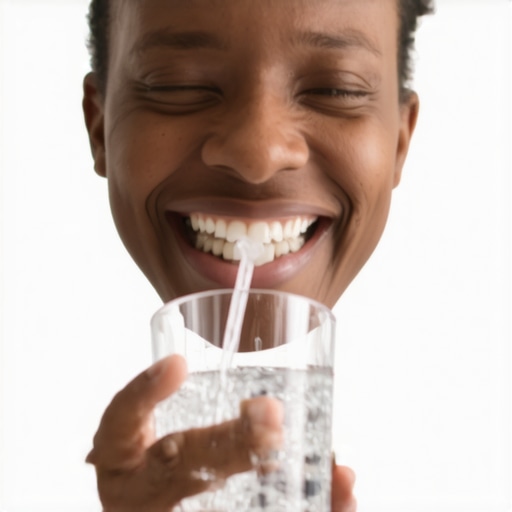
Bring Back the Saliva to Save Your Enamel
If the water rinse doesn’t fully kill that tacky feeling, reach for a piece of sugar-free gum containing xylitol. Chewing gum is a mechanical way to jumpstart your salivary glands. The more saliva you produce, the more calcium and phosphate you are washing over your teeth, which is the cornerstone of teeth cleaning secrets shared by professionals. This helps re-harden the enamel so that when you finally do brush, your teeth are strong enough to handle the bristles. I’ve found that keep a pack of xylitol gum in my car is the only way I can enjoy an occasional iced tea on the road without feeling like my teeth are wearing tiny sweaters by the time I get home.
Check for Hidden Plaque if the Film Stays Put
If you have followed these steps and still find that your teeth feel sticky even after you brush, the soda might not be the only culprit. That persistent film is often a sign that plaque has already hardened into tartar, which creates a rough surface that catches every drop of soda you drink. No amount of at-home rinsing can fix this; you likely need a professional touch. Often, how regular teeth cleaning can prevent major dental issues comes down to removing these sticky anchor points before they cause cavities. If you’ve noticed that your smile looks a bit dull or stained after these soda habits, looking into cosmetic dentistry for discolored teeth can help restore the smooth, glass-like finish that prevents bacteria from sticking in the first place. Consistency in maintaining your teeth cleaning routine for long-term health is the only way to ensure that a single soda doesn’t turn into a permanent dental problem.Let’s dig deeper into why that ‘clean’ feeling is so elusive even after you have put in the work. I’ve spent a lot of time talking to dental pros, and here’s the contrarian truth: most people think the goal of a cleaning is to ‘scrub’ the surface, but it’s actually about disrupting a complex biological community called biofilm. Everyone says you just need to brush longer or harder, but in my experience, the force is exactly what gets you in trouble. This brings us to a major ‘oops’ factor that I see even the most dedicated patients make: aggressively attacking that ‘fuzzy’ feeling with high-pressure strokes. When you scrub too hard—especially when the mouth’s pH is low after a drink—you cause what is known as abfraction. That is the reason your teeth feel thin near the gum line when you brush; you have literally worn away the tooth structure by being too enthusiastic. 
Why do my teeth still feel fuzzy if I use a high-tech electric toothbrush?
It’s a frustrating scenario for any tech-lover. You’ve invested in the best gear, yet that tacky film persists. The hidden nuance here is that high-end brushes can sometimes provide a false sense of security. You might be focusing on the vibration rather than the precise placement. According to a study published in the *Journal of Clinical Periodontology*, the efficacy of plaque removal is significantly more dependent on the angle of the bristles and the duration of contact than the sheer speed of the motor. If you are just hovering the brush, you aren’t actually breaking the molecular bond of the acidic biofilm. Some people even notice why your jaw feels like it is vibrating when you use an electric toothbrush because they are pressing the hard plastic head against their enamel instead of letting the bristles do the work. If you are currently undergoing a smile transformation, the stakes are even higher. Soda is particularly brutal if you have clear aligners, as those tiny composite attachments act like magnets for soda residue. I’ve seen people master the trick to removing stubborn spinach from your Invisalign attachments, but soda syrup is even more insidious because it is invisible and seeps behind the plastic trays. This is where modern teeth cleaning innovations that reduce sensitivity and boost results can help clear that hard-to-reach buildup without damaging your cosmetic work. One of the biggest teeth cleaning myths is that your aligners protect your teeth from sugar; in reality, they often trap it against the surface, accelerating decay. Have you ever fallen into this trap? Let me know in the comments.
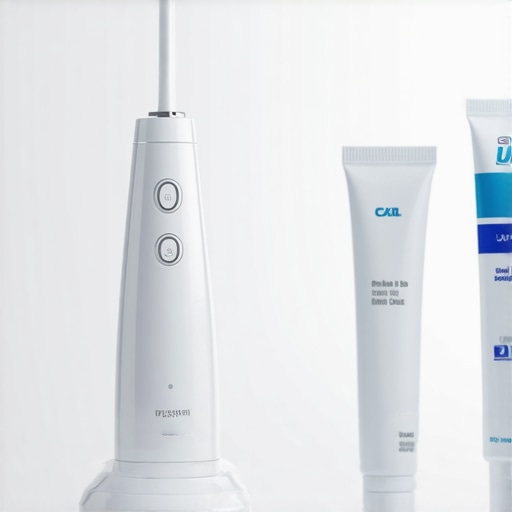
To keep that fuzzy feeling from becoming a permanent resident, I had to completely overhaul the tools in my bathroom cabinet. I used to think a standard string of floss was the gold standard, but then I realized why your dental hygienist uses a water flosser instead of manual tools. It’s about the sheer volume of water being forced into those microscopic gaps where soda residue loves to hide. Personally, I use a water flosser with a reservoir I can fill with lukewarm water—this is a lifesaver if you have sensitive spots—because it physically flushes away the biofilm that eventually hardens into tartar. If you’ve spent any time maintaining your teeth cleaning routine for long-term health, you know that tartar is the enemy of that glassy feel. Once that film hardens, it acts like a sponge, soaking up every bit of pigment from your next drink, which is exactly how those deep stains start to take hold.
Upgrade Your Toolkit to Fight the Film
I also realized that my ‘aftercare’ for dental gear was lacking. If you wear aligners or a retainer, you know they can get cloudy and gross remarkably fast. I’ve found that learning how to clean your night guard without turning it yellow is a skill that translates perfectly to keeping your Invisalign trays crystal clear. I use an ultrasonic cleaner once a day now. It sounds fancy, but it basically uses sound waves to vibrate the debris off the plastic. This is a game-changer because if you put a dirty tray back into your mouth, you are just trapping those soda-loving bacteria against your enamel for the next 22 hours. Following Invisalign maintenance expert tips for clear confident smiles means your gear stays invisible and your teeth stay smooth.
How do I maintain that glass-smooth feeling over time?
The secret is consistency and a few modern teeth cleaning innovations that reduce sensitivity and boost results. I’ve started using a toothpaste that contains nano-hydroxyapatite, which is the same mineral your teeth are made of. According to clinical research published by Curaden, the Swiss oral health experts, this material can actually fill in those microscopic ‘valleys’ in your enamel that acid leaves behind. This makes the surface of your teeth much smoother, making it harder for that sticky feeling to return. If you are struggling to find the right balance, choosing the right dentist expert tips for your best smile journey can help you find a professional who can assess your saliva flow and recommend custom solutions for your specific body chemistry.
Why the Future of Your Smile is Smarter Than a Manual Brush
Looking ahead, I expect to see even more integration between our phones and our bathrooms. Smart toothbrushes are already getting better at mapping our mouths, but the real jump will be in real-time pH monitoring. I predict that in the next few years, we will see sensors that alert you the second your mouth is too acidic to safely scrub. Until then, we have to rely on our own awareness and a few high-quality tools. My advice? Try this today: Swap your standard toothpaste for one containing nano-hydroxyapatite to help remineralize those soft spots caused by soda. You will notice the difference in how smooth your teeth feel by the end of the week. It’s an advanced move, but your enamel will thank you for it long-term.
What I Learned After Years of Accidentally Sanding My Enamel
Reflecting on my own dental journey, I’ve realized that the most ‘obvious’ solutions were often the most damaging. Here are a few lightbulb moments that changed how I view my smile:
- The ‘Wait’ is the Work: I used to think I was being lazy if I didn’t brush immediately. Now I know that waiting 60 minutes is the most active thing I can do for remineralization.
- Acid is Invisible: You can’t see the pH dropping, but you can feel it. Learning to trust that ‘fuzzy’ feeling as a warning signal rather than a nuisance was a game-changer.
- Technology is a Tool, Not a Cure: Even the fanciest electric brush won’t help if you don’t understand teeth cleaning secrets like proper bristle angle and pressure.
#IMAGE_PLACEHOLDER_E#
The Gear I Trust to Keep the Film Away
I’ve tested countless products, and these are the ones that actually made a difference in my daily routine. First, I stopped relying on manual strings and started seeing why your dental hygienist uses a water flosser instead of manual tools; it’s simply the most efficient way to flush out soda syrup from tight gaps. Second, if you use aligners, don’t skip on Invisalign maintenance expert tips for clear confident smiles—an ultrasonic cleaner is a must to prevent that cloudy buildup. Lastly, I always look for nano-hydroxyapatite in my toothpaste to help repair those microscopic acid-etched valleys before they become cavities.
Your Path to a Glass-Smooth Smile
Taking control of your oral health doesn’t mean you have to give up every treat you love. It’s about being smarter than the acid. By neutralizing the pH with a quick water rinse and giving your saliva time to work its magic, you can maintain that smooth, healthy feeling all day long. If you ever feel overwhelmed by the science, choosing the right dentist expert tips for your best smile journey can help you find a partner who understands your unique biology. Your smile is an investment, and with the right routine, it will stay bright for years to come. Do you have a specific drink that always leaves your teeth feeling ‘fuzzy’? Let me know in the comments below!