
I still remember the crunch. Not the satisfying crunch of a fresh apple, but a gritty, sandy sensation between my teeth that wouldn’t go away, no matter how much I rinsed. I had fallen hook, line, and sinker for the ‘all-natural whitening’ trend, scrubbing my mouth with what essentially looked like soot from a fireplace. [image_placeholder_1] My sink was a disaster, my towels were ruined, and for a few days, I felt like a pioneer of holistic health. But then came the morning I tried to drink my usual iced coffee and felt a lightning bolt of pain shoot through my front teeth. It wasn’t just a twinge; it was an alarm bell. I had literally scrubbed my enamel so thin that my nerves were screaming for mercy. It was a classic case of trying too hard to achieve that Hollywood smile without understanding the structural cost. We often think that ‘natural’ means ‘safe,’ but my experience was a painful lesson in why that isn’t always the case. Today, I want to help you avoid that same ‘lightning bolt’ moment by sharing the truth about what is actually happening to your teeth when you use charcoal.
Stop Sandpapering Your Smile for Short-Term Gains
Believe me, I get the appeal. We all want that ‘after’ photo where our teeth look like neon signs. When you see influencers smiling through a mouth full of black sludge, it looks revolutionary, almost like magic. But here is the cold, hard truth: charcoal is an abrasive. It doesn’t chemically whiten your teeth the way a professional treatment does; it physically scrapes off the surface. If you are already dealing with sensitive teeth in 2025, this stuff is like taking a belt sander to a fine silk dress. I made the massive mistake of using it twice a day for a full month, thinking I was fast-tracking my way to a radiant glow. Instead, I was just fast-tracking a trip to the dentist to fix the damage I’d done. The reality is that once your enamel is gone, it doesn’t grow back. You cannot just ‘regrow’ the shield of your teeth once you’ve polished it away into the bathroom sink.
Is that trendy black paste actually worth the hype?
Short answer? Probably not in the way the advertisements claim. While charcoal can lift some superficial surface stains from coffee or wine, it cannot change the natural internal color of your teeth. In fact, the American Dental Association (ADA) has explicitly warned that there is no evidence charcoal dental products are safe or effective, and they can actually lead to more yellowing over time. As the white enamel thins, the yellowish dentin underneath starts to show through more clearly. Have you ever tried one of these ‘natural’ whitening hacks only to find your teeth looking darker or feeling more sensitive a few weeks later? It is a frustrating, expensive cycle. If you’ve been wondering why your teeth cleaning routine isn’t giving you the results you want, it might be time to put down the charcoal tub and look at modern innovations that actually nourish your teeth while they brighten. We are going to look at better ways to brighten up without compromising your long-term health.
Ditch the Scrubber and Start Rebuilding Your Enamel
The very first thing I did after realizing my teeth were basically raw from the charcoal was toss that black tub into the trash and buy a high-quality remineralizing toothpaste. Think of your enamel like a brick wall; charcoal acts like a sledgehammer, but a fluoride or hydroxyapatite paste acts like fresh mortar. If you have been over-scrubbing, you need the best way to whiten your teeth if you have naturally thin enamel, which focuses on strengthening rather than stripping. I started using a soft-bristled brush—no more ‘medium’ or ‘hard’ bristles that felt like a car wash brush—and focused on a circular, gentle motion. I found that my sensitivity didn’t vanish overnight, but by the end of the second week, I could finally drink a glass of room-temperature water without wincing. It was a massive relief to realize that maintaining your teeth cleaning routine for long-term health is about consistency, not intensity. 
Let a Pro Handle the Grime You Can’t Reach
I remember the first time I sat in the dentist’s chair after my charcoal phase. I was so embarrassed because my teeth felt like they were wearing tiny wool sweaters—that weird, fuzzy feeling that usually comes after a sugary soda. My hygienist explained that the reason your teeth feel furry only hours after a professional cleaning is often due to microscopic scratches in the enamel where plaque loves to hide. She didn’t use a ‘sandblaster’ on me; she used an ultrasonic scaler that vibrates the tartar away without damaging the tooth structure. This is the ‘reset button’ your mouth needs. While teeth cleaning secrets how regular care boosts oral health at any age aren’t as flashy as a black-paste TikTok video, the results are actually permanent and safe. One session removed more staining from my years of tea drinking than that month of charcoal ever did, and it didn’t hurt my nerves.
How to Love Your Latte Without the Yellow Tint
You don’t have to give up your morning ritual to keep a bright smile, but you do have to change the mechanics of how you consume it. I used to sip on one cup of black coffee for three hours while I worked, effectively bathing my teeth in acid and pigment all morning. Now, I use the coffee lovers secret to preventing deep enamel stains: I drink it faster, follow it with a water rinse, or use a straw. Think of a white t-shirt—if you spill coffee on it and wash it immediately, it stays white. If you let it sit for three hours, it’s stained forever.
Swap the Grit for Chemistry
If you still want that extra ‘pop,’ look for chemical whiteners like hydrogen peroxide in low concentrations rather than physical abrasives. I found that custom-fitted trays from a dentist who gets your smile are far superior to anything over-the-counter because they keep the whitening gel on the tooth and off the sensitive gums. It is about using a key to open a lock rather than trying to kick the door down with charcoal. By focusing on these professional-led methods, I managed to get my smile three shades whiter than it ever was during my DIY experiments, and I did it without that terrifying lightning-bolt pain.The biggest misconception I see nowadays is the idea that cosmetic dentistry is a ‘pick-and-choose’ menu where you can skip the boring maintenance. Most people assume that as long as they pay for the porcelain, the health of what is underneath does not matter. But in my experience, the opposite is true. If you try to build a Hollywood smile on a foundation of inflammation, you are essentially painting over a rotting fence. I have seen people drop thousands on a radiant glow with veneers only to have them fail within three years because they ignored a chronic gum issue. It is a classic ‘trap’ to prioritize the facade over the structure. Before you even think about whitening or alignment, you must ensure your gums are rock-solid. A study published in the Journal of Periodontology highlights that the longevity of any restorative work is directly tied to the health of the periodontal tissues. Ignoring this is the fastest way to flush your investment down the drain. Have you ever been tempted to skip a deep cleaning just to get to the ‘pretty’ stuff sooner? Let me know in the comments.
Can you start Invisalign if your gum health is less than perfect?
The short answer is a firm no. Many adults looking into Invisalign in 2025 think alignment is purely about looks, but moving teeth through unhealthy bone is a recipe for disaster. If your gums are receding or inflamed, the pressure from the aligners can actually accelerate tooth loss. This is why how regular teeth cleaning can prevent major dental issues is not just a marketing slogan; it is a clinical requirement. You need to clear the slate first. 
The Real Difference Between Clean and Healthy
It is easy to get caught up in cosmetic dentistry myths that suggest professional cleanings are optional if you have a great home routine. But even the best brushers miss things. There is a specific nuance to how tartar forms—it is essentially a mineralized colony of bacteria that no amount of charcoal or ‘natural’ scrubbing will budge. You need a dentist who gets your smile to use specialized tools to debride those areas safely. If you have noticed gums receding on only one side, it is often a sign that your bite is uneven or you are brushing too hard in one specific spot—nuances a professional can spot in minutes.
Why does my mouth feel so different after a pro cleaning?
Many people mistake the ‘spaced out’ feeling after a cleaning for damage. In reality, you are just finally feeling the actual shape of your teeth without the ‘cement’ of tartar filling the gaps. It is a sign of success, not a problem. Moving toward modern innovations like guided biofilm therapy makes this process much more comfortable than the scrapers of the past. If you are ready to stop guessing and start building a smile that lasts a lifetime, reach out to a pro who values health as much as aesthetics. Don’t let a ‘quick fix’ become a long-term regret.
The Gear That Actually Keeps My Gums from Bleeding
I used to think I was a master flosser until my dentist showed me a 3D scan of the plaque I was leaving behind. That is when I swapped my manual brush for a sonic electric model with a built-in pressure sensor. This isn’t just about bells and whistles; a meta-analysis published in the International Journal of Dental Hygiene confirmed that power toothbrushes reduce plaque and gingivitis significantly more than manual brushing in both the short and long term. If you find your invisalign attachments feel like sandpaper against your cheeks, the gentle vibrations of a high-end brush can actually help smooth out that sensation by keeping the area around the composite resin perfectly clean. I also added a water flosser to my nightstand. It is the only thing that effectively clears the gap between my gums and my permanent retainer without the frustration of needle threaders. 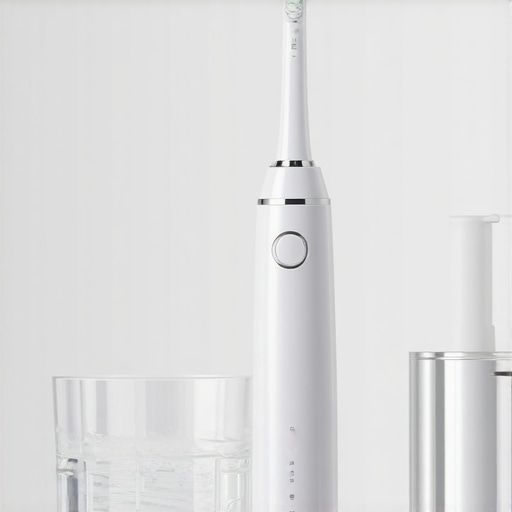
How do I maintain my professional results over time?
The biggest threat to your investment isn’t just coffee; it is neglect. For those of us who have finished clear aligners, following invisalign maintenance expert tips for clear confident smiles is non-negotiable. I personally use an ultrasonic cleaner for my retainers every morning while I shower. If you don’t stay proactive, you will eventually have to learn how to clean the stubborn cloudiness off your night guard, which is usually just a buildup of calcium and bacteria. It is much easier to prevent the ‘funk’ than to scrub it off later. To keep your breath fresh, you must also learn how to stop your invisalign trays from smelling like old saliva by using specialized cleaning crystals rather than harsh mouthwashes that can warp the plastic. Consistency is what separates a one-year transformation from a thirty-year smile.
Smart Sensors are Coming for Your Bathroom Sink
Looking ahead, the future of dental care is becoming increasingly data-driven. We are moving toward a world where your toothbrush talks to your insurance provider to lower your premiums. In the next few years, invisalign innovations in 2025 will likely include smart sensors within the trays that track wear-time and biological markers in your saliva. It sounds like science fiction, but for anyone struggling with compliance, it is a game-changer for ensuring maintaining your teeth cleaning routine for long-term health becomes an automated part of your life. Even teeth cleaning secrets how regular care boosts oral health at any age are evolving to include AI-driven feedback loops that show you exactly where you missed a spot in real-time. My challenge for you today: Swap your manual toothbrush for a pressure-sensing electric one for exactly 30 days. Your gums will stop receding, and your next professional cleaning will be the easiest one of your life.I stopped chasing trends and started listening to my gums. My biggest lightbulb moment was realizing that enamel is a non-renewable resource; once you’ve scrubbed it away with charcoal, it’s gone for good. I also learned that ‘white’ doesn’t always mean ‘healthy.’ Many of the most inspiring Invisalign success stories focus more on the health of the alignment than just the shade of the teeth. Finally, I discovered that professional care isn’t an expense—it’s an insurance policy for your appearance. [image_placeholder_5]
The Stuff That Actually Lives in My Medicine Cabinet
To keep my results long-term, I’ve curated a small but powerful toolkit. I rely on a sonic toothbrush with a pressure sensor to ensure I never over-scrub again, and I’ve made teeth cleaning tips for a brighter smile a daily habit rather than a seasonal chore. I also pay attention to the clock, knowing that the best time of day to whiten your teeth is when your saliva flow can best buffer the treatment. I trust these methods because they work with my body rather than against it.
Your Smile Deserves More Than a Quick Fix
It’s tempting to want that instant transformation, but true radiance comes from a place of health. Whether you are exploring cosmetic dentistry trends or just getting back on track with your checkups, remember that you only get one set of adult teeth. Take the time to treat them with the respect they deserve. If you’re ready to move past the DIY experiments and see real, safe results, reach out to a professional who can guide you through the process. Have you ever tried a ‘natural’ dental hack that ended up doing more harm than good? Let me know in the comments below!