
I will never forget the first time I heard it. I was sitting on the nursery floor, finally catching a breath while my toddler napped, when this horrific, rhythmic skritch-skritch-skritch sound filled the room. It sounded exactly like someone was rubbing two pieces of concrete together right inside my child’s mouth. I panicked. My first instinct was to wake him up, but any parent knows that is a dangerous game. I waited, listened, and felt that pit in my stomach that every parent knows too well. Was this normal? Was I failing because I had not noticed this sooner?
That Gritty Sound Does Not Mean You Are Failing
If you are hearing that sound, you are not alone; it is a common condition called bruxism. Early on, I made the mistake of assuming it was just a minor side effect of swollen gums from new molars and thought it would vanish on its own. I was wrong. I ignored it for weeks, only to realize later that I could have been more proactive. Today, I am going to help you identify the subtle signs of grinding before it starts affecting your child’s sleep quality or dental health. We will look at more than just the noise, because sometimes the signs are as quiet as a whisper but just as damaging.
Is Teeth Grinding Actually Worth the Worry?
Many parents ask me if this is just another thing to lose sleep over or if it is a genuine emergency. While most children eventually outgrow the habit, the immediate impact on their comfort and dental development is very real. According to the Sleep Foundation, nearly 30% of children experience some form of bruxism, often linked to small stressors or even ear infections. If left unchecked, it can lead to situations where adult teeth look serrated or worn down much earlier than they should. Have you ever been startled by that sharp grinding sound coming through the baby monitor? It is a sound you never forget once you hear it. It is important to know that while regular teeth cleaning helps maintain general health, it won’t stop the mechanical wear of grinding. We need to look deeper into the physical symptoms that show up when the room is silent.
Track the Grinds Like a Sleep Detective
To get a handle on the situation, you need to become a bit of a dental detective. I started by keeping a small notebook on my nightstand. Every time I heard that horrific clink or skritch, I would mark the time and note what he had eaten or done before bed. Was it a high-sugar day? Was he stuffed up from a cold? This data is gold when you finally head to the dentist for a professional look. For instance, I noticed the grinding peaked on days he skipped his nap, suggesting that overtiredness was his main trigger.
Create a Sensory Buffer Zone
Think of your child’s nervous system like a laptop that has been running too many programs at once. If you just shut the lid while the fan is still whirring, the system stays hot. Bruxism is often that whirring fan—the body’s way of trying to process lingering daily stress. I found that swapping tablet time for a warm bath and a physical book significantly muffled the grinding volume. While teeth cleaning tips for a brighter smile help the surface, the buffer zone protects the structure by calming the jaw muscles before they even hit the pillow.
Check for the Sunrise Warning Signs
Wait for the morning light to do a quick visual check of your child’s mouth. You are looking for wear facets—tiny flat spots on the chewing surfaces of the molars. If you see these, or if your little one complains that their mouth has a sudden sharp pain when they bite down on their breakfast, the grinding is moving from a harmless habit to a dental hazard. I remember looking at my son’s teeth after a particularly loud night and noticing his teeth look serrated at the edges, which was my clear signal that the friction was literally filing down his enamel. 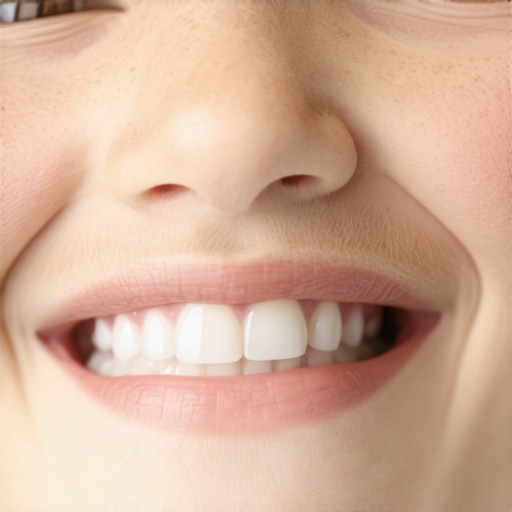
The Finger Test for Jaw Tension
I started a habit of gently massaging my son’s jawline while we read bedtime stories. If the muscle felt hard, like a knotted-up ball of yarn, I knew we were in for a noisy night. This simple physical check helps you predict the severity and adjust the evening routine accordingly. If the jaw feels tight, it is a sign they might be clenching with significant force, much like how Invisalign aligners feel tight when the teeth are first moving. Learning to spot this tension early can prevent the soreness that leads to daytime crankiness.
Hydrate to Relax the Muscles
Believe it or not, even mild dehydration can make the muscles in the jaw more prone to spasms. Think of it like a leg cramp, but in the face. Encourage water throughout the afternoon, especially if they are active outdoors. Many parents focus on how to get your preschooler to stop swallowing their toothpaste, but the internal hydration is just as vital for preventing the involuntary muscle contractions that drive night-time grinding.
Beyond hydration and home checks, we eventually have to step into the dental office. This is where most people make their biggest mistakes by assuming the dentist is just there to polish away coffee stains. In reality, the nuance of modern care goes far deeper than a surface scrub.
Stop Treating Your Enamel Like a Kitchen Countertop
The biggest myth I see is the ‘scrub-brush’ mentality. Many parents—and even some adults—think that a professional cleaning needs to be aggressive to be effective. They expect that gritty, sandblasted feeling as a sign of success. However, teeth cleaning myths debunked by top dentists reveal that over-aggressive scaling can actually irritate the gums and worsen sensitivity if not done with precision. The goal isn’t to scour the tooth; it is to manage the microscopic biofilm. If you are pushing for a ‘deep clean’ every time you feel that teeth feel furry only hours after a professional cleaning, you might be ignoring the fact that your saliva chemistry or diet is the real culprit, not a lack of elbow grease from your hygienist. We now use modern teeth cleaning innovations that reduce sensitivity to target bacteria without traumatizing the tooth structure.
The Dangerous Trap of Hiding Wear with Veneers
Here is a trap I almost fell into: trying to use cosmetic fixes to hide the damage caused by grinding. It is tempting to look at worn-down teeth and think a few veneers will solve everything. But according to a clinical review in the Journal of Periodontology, untreated bruxism can exert enough force to crack even the strongest porcelain if the underlying bite isn’t corrected first. If you jump straight into aesthetics without addressing why your teeth look shorter than they did ten years ago, you are essentially putting expensive wallpaper over a cracked foundation. Before you look for cosmetic dentistry for discolored teeth, you must ensure your jaw alignment is stable. When we do move forward with restorations, we focus on how we match the exact texture of your natural teeth so the fix looks and feels like it belongs there.
Will Invisalign Actually Protect Your Teeth From Yourself?
A sophisticated question I often get is whether clear aligners are just for vanity or if they serve a functional purpose in stopping bruxism. While why Invisalign is the future of clear braces often focuses on the straightness of the smile, the ‘hidden’ benefit is bite optimization. By moving teeth into their ideal positions, we often reduce the physical triggers that cause the brain to initiate grinding. However, the ‘oops’ factor here is assuming any aligner will do. You need choosing the right dentist expert tips to ensure your provider understands how to balance your occlusion. If the aligners aren’t mapped correctly, you might find that your Invisalign trays feel tighter on some days than others because of muscle inflammation rather than tooth movement. 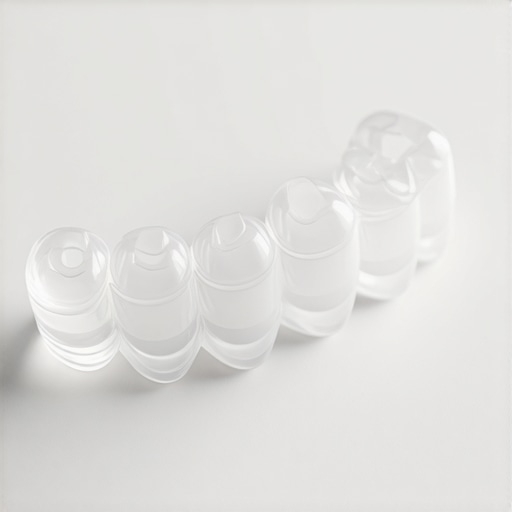 Have you ever fallen into this trap of thinking a quick cleaning would solve a structural problem? Let me know in the comments.
I’ve realized that maintenance isn’t just about showing up for a bi-annual appointment; it’s about the micro-decisions we make at 11 PM. For years, I thought I was doing a great job by just brushing longer, but I was actually missing the structural logic of my mouth. If you’ve invested in Invisalign, your job doesn’t end when the last tray is finished. You have to master Invisalign maintenance expert tips for clear confident smiles to ensure that your alignment doesn’t shift back. I personally started using a dedicated ultrasonic cleaner for my aligners because I noticed that manual scrubbing with a toothbrush actually creates microscopic scratches on the plastic. These scratches act as ‘canyons’ for plaque to settle in. It’s really the only effective way to stop your Invisalign trays from smelling like old saliva after a long night of wear.
How do I maintain my dental work over time?
Maintaining results requires a total shift from ‘fixing’ to ‘preserving.’ I recommend investing in a high-quality water flosser, specifically one with a pressure-sensitive motor. This is a game-changer for maintaining your teeth cleaning routine for long-term health. Unlike traditional string floss, which can sometimes be too abrasive if you are prone to recession, a water flosser flushes the gingival pockets without mechanical trauma. This is especially vital if you’ve opted for teeth cleaning for sensitive teeth techniques to avoid that post-dentist throb. I’ve found that using room-temperature filtered water in the reservoir reduces that sudden zing of sensitivity that cold tap water often triggers. According to clinical insights from Dr. David Rice, a leading voice at IgniteDDS, the long-term success of any cosmetic or corrective work depends entirely on the health of the ‘interdental environment.’ If the foundation—your gums and the bone supporting them—isn’t meticulously managed, even the most expensive porcelain will eventually fail. 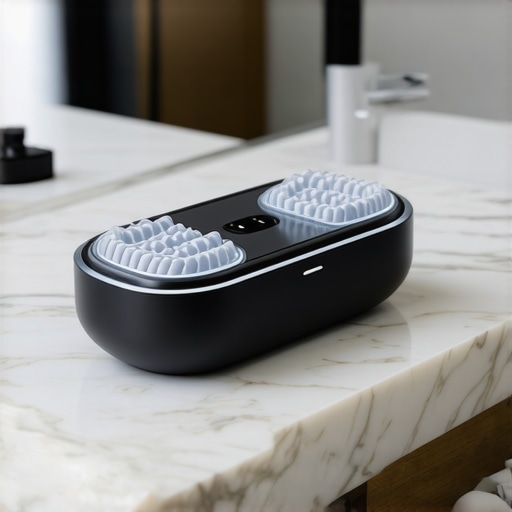
The Future of Your Smile is Digital
Looking ahead, I predict we are moving toward a world of real-time bio-feedback. We are already seeing Invisalign innovations why 2025 is the year for a perfect smile, where AI-driven apps scan your teeth via your smartphone to track movement and hygiene levels. This means your dentist can intervene the moment your tray stops tracking correctly or if a new cavity starts forming. To stay ahead of these trends, you need a proactive toolkit. My top recommendation is to start using a pH-balancing mouth rinse immediately. Most drugstore mouthwashes are surprisingly acidic, which can actually soften your enamel. A pH-neutral, xylitol-based rinse helps neutralize the mouth after meals. Try this one specific change: swap your current alcohol-based wash for a pH-neutral alternative tonight and feel the difference in the morning. Your teeth will feel noticeably smoother, and you’ll be protecting the structural integrity of your smile for decades to come.
The Hardest Lessons I Learned While Navigating Bruxism and Braces
I used to think that a louder grind meant a bigger problem, but I have learned that even quiet clenching can do massive damage. It is the consistency of the habit, not the volume, that wears down the enamel. I also realized that teeth cleaning myths debunked by top dentists are true; you cannot just scrub away the effects of grinding; you have to address the root cause of the tension. Most importantly, I learned that Invisalign success stories often start with fixing the bite, which naturally reduces the brain’s urge to grind during the night.
My Essential Toolkit for a Protected Smile
If you are serious about your child’s or your own oral health, start with a high-quality water flosser. It is the gentlest way to manage gum health, especially when dealing with teeth cleaning for sensitive teeth. I also swear by ultrasonic cleaners for anyone in clear aligners; it is the only way to ensure your Invisalign maintenance stays top-notch without creating microscopic scratches on the plastic. Lastly, keep a pH-neutral rinse on your counter. It stops the acid bath effect that occurs after we eat, keeping our enamel hard and resilient against the friction of night-time grinding.
#IMAGE_PLACEHOLDER_E#
Your Future Smile is Worth the Extra Effort
Taking control of bruxism and dental health does not happen in a day. It is about those small, consistent shifts, like watching for jaw tension or understanding how regular teeth cleaning can prevent major dental issues before they escalate. You have the tools now to be a detective for your own health and your child’s. Don’t wait for a chip or a crack to start prioritizing your structural health. Have you ever been woken up by the sound of your child grinding their teeth? Let me know how you handled it in the comments below!