
I will never forget the sound of my temporary crown hitting the hardwood floor during a Tuesday morning conference call. One second I was explaining quarterly projections, and the next, I was frantically covering my mouth, feeling like a pirate who had lost a duel. Dealing with a missing tooth is stressful enough, but the waiting game for a permanent dental implant can feel like an absolute eternity. If you have found yourself staring into the bathroom mirror wondering how to navigate the next four to six months without looking like a retired hockey player, I have been exactly where you are. It is not just about the aesthetics; it is about that crushing blow to your confidence every time you want to laugh or speak up. Today, I am going to walk you through the realistic, battle-tested ways we can mask that space so you can keep living your life. We will talk about everything from the classic ‘flipper’ to why cosmetic dentistry trends have made this process so much easier than it used to be.
You Do Not Have to Hide Under a Rock for Six Months
The biggest mistake I made early on was trying a DIY ‘thermal bead’ kit I found online. I thought I could engineer my own fix, but I ended up with a tooth that looked like a piece of white Chiclet gum stuck to my gums at a weird angle. It was embarrassing and frankly, a bit dangerous for my oral health. Since then, I have learned that choosing the right dentist who prioritizes your appearance during the healing phase is the real game-changer. The ‘waiting period’ is actually a vital biological process called osseointegration, where your jawbone grows around the post. According to the American Academy of Implant Dentistry, this process can take several months, but it is the foundation for a lifetime smile. While that bone is busy getting strong, we have several ways to close the gap without braces or permanent fixtures. Have you ever had a dental ‘wardrobe malfunction’ right before a big event? I want to hear your horror stories in the comments below.
Will my temporary tooth actually look like a real tooth?
This is the number one fear I hear from everyone facing an implant. You are worried it will look too opaque, too white, or just ‘fake.’ The truth is that modern temporaries, like a Maryland bridge or a well-crafted flipper, can be shade-matched so precisely that even your close friends won’t notice unless they are poking around in your mouth. I remember being shocked that the reason your dental implant feels heavy or different later on is often just a matter of getting used to the new structure, but the temporary should feel light and look natural from day one. If you are currently dealing with a gap, the most important thing is to keep the area clean. Whether you are maintaining your teeth cleaning routine around a temporary or waiting for the site to heal, hygiene is what prevents the whole plan from falling apart.
Choose the Right Temporary Solution for Your Lifestyle
Think of your temporary tooth like a rental car—it is not your permanent ride, but you need it to be reliable and look decent while yours is in the shop. The most common choice is the ‘flipper,’ a lightweight, removable partial denture. I remember wearing mine to a high-stakes dinner party and spending the entire evening calculating exactly how to chew my salad without the plate shifting. It taught me quickly that while flippers are great for photos, they require a bit of strategy during meals. If you want something that does not move, the Maryland bridge is a fantastic alternative. This involves a prosthetic tooth with ‘wings’ that are bonded to the back of your natural teeth. It feels much more like a real tooth, but you must be mindful of the bond’s strength. I once made the mistake of biting directly into a crusty baguette with a fixed temporary, and the sudden ‘snap’ of the adhesive was a sound I never want to hear again. Learning how to prevent your temporary bridge from popping off while you chew is mostly about avoiding that front-tooth-tearing motion. Use your back molars for anything remotely tough. 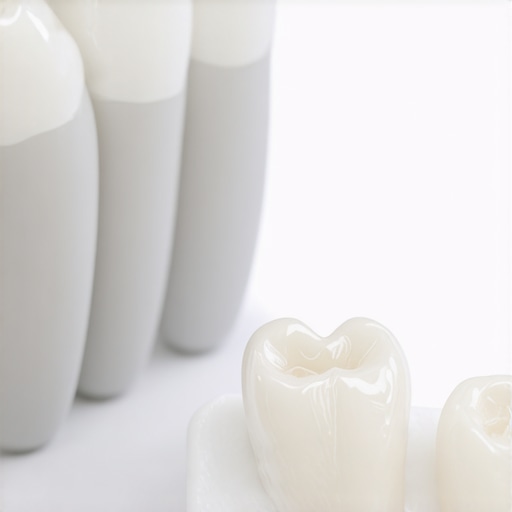
Protect the Healing Site with Precise Hygiene
The success of your future implant depends entirely on what is happening beneath the surface of your gums. While the bone is busy fusing with the implant post, you must keep the area sterile without being aggressive. When I was in the middle of my healing phase, I was so paranoid about touching the site that I almost stopped cleaning the area entirely. My dentist quickly corrected me: neglect leads to inflammation, which can jeopardize the whole process. Maintaining your teeth cleaning routine for long-term health means using a very soft-bristled brush around the temporary and avoiding high-pressure water flossers directly on the surgical site until you are cleared. If you are worried about staining your temporary tooth before the permanent one arrives, following teeth cleaning tips for a brighter smile this spring can help you keep the prosthetic looking fresh and matching your natural enamel.
Use Clear Aligners as a Stealthy Cover-Up
If you happen to be one of the many adults currently undergoing orthodontic work, you have a secret advantage. Modern clear aligners can be fitted with a ‘pontic,’ which is essentially a tooth-colored filler placed inside the aligner tray where your gap is. This is a huge reason why the ultimate guide to invisalign for adults in 2025 focuses so much on aesthetics. No one can see the gap because the tray itself holds a camouflage tooth in place. When I used this method, I found that invisalign maintenance expert tips for clear confident smiles became my daily bible. You have to keep those trays pristine, or the ‘fake’ tooth can start to look slightly yellow or cloudy, which gives the secret away. Simply rinse the tray every time you remove it and avoid drinking dark liquids while the aligner is in place. If you are struggling with the transition, remember that the trick to eating steak when you have a temporary dental crown or bridge is simply patience and smaller bites.
Stop Treating Your Temporary Like a Real Tooth
Common wisdom suggests that the more you brush a surgical site, the cleaner—and therefore safer—it will be. In my experience, and after talking to several specialists, this is a dangerous misconception. While you certainly want to avoid bacteria buildup, over-scrubbing a healing implant site can actually tear the delicate new gum tissue trying to form what we call the ’emergence profile.’ If you are too aggressive, you might notice that your gums turn white for a few minutes after flossing or brushing; this is often a sign of localized trauma or restricted blood flow. Instead of a standard scrub, you need to use a ‘roll’ technique with a surgical-grade soft brush. Most people think the ‘waiting period’ is just about the bone, but the soft tissue management is what determines if your final tooth looks like a natural pearl or a piece of plastic stuck in your mouth. Many teeth cleaning myths debunked by top dentists emphasize that ‘harder’ is never ‘better,’ especially when dealing with prosthetic foundations.
Does the shape of your temporary tooth actually affect the final result?
Absolutely. This is the ‘hidden nuance’ most patients miss. The temporary tooth—whether it is a flipper or a bridge—acts as a scaffold for your gums. According to a study published in the Journal of Oral Implantology, the precise contour of the temporary crown is critical for ‘training’ the gum tissue to wrap around the future permanent implant naturally. If your temporary is poorly shaped, your gums may recede or flatten, leaving those dreaded ‘black triangles’ later on. This is why choosing the right dentist is about more than just finding someone who can twist a screw; you need an artist who understands soft-tissue architecture.
The Whitening Trap to Avoid at All Costs
Here is a specific ‘oops’ factor I see constantly: patients getting excited about their new smile and reaching for high-strength whitening strips. This is a massive mistake while you have a temporary in place. The materials used for temporaries—usually acrylic or composite resin—do not respond to peroxide. If you try to whiten your teeth now, your natural teeth will brighten while your temporary stays the same dull shade, making the gap even more obvious. Worse, the chemicals can irritate the healing surgical site. If you are desperate for a brighter look, it is better to wait and follow the ultimate guide to teeth whitening and cosmetic enhancements only after your permanent crown is fully seated and the tissue is stable. Many cosmetic dentistry myths debunked reveal that timing is everything. Have you ever fallen into the trap of trying to ‘fix’ a temporary yourself? Let me know in the comments below. Moving too fast during this phase is the easiest way to jeopardize a multi-thousand-dollar investment. Patience isn’t just a virtue here; it is a clinical requirement for a Hollywood finish.Once that permanent crown is finally in place, the temptation is to breathe a sigh of relief and never think about it again. I made that mistake after my first major procedure, thinking the ‘fake’ tooth was invincible. I quickly learned that while the porcelain cannot decay, the bone and gums supporting it are more sensitive than ever. The tool that changed the game for me was the Waterpik with the ‘Plaque Seeker’ tip. It is specifically designed with three thin tufts of bristles to reach around the implant neck where standard floss often fails. This is especially important for the secret to keeping your dental implant clean when you have limited dexterity, but honestly, everyone should be using it to prevent gum inflammation.
Stop Guessing and Start Using a Water Flosser
I have also leaned heavily into sonic technology for my daily routine. After switching to a high-end electric brush with a pressure sensor, I realized I had been scrubbing my gums into oblivion for years. These modern teeth cleaning innovations that reduce sensitivity and boost results are not just marketing hype; they prevent the recession that makes implants or veneers look like they do not belong in your mouth. If you are also balancing orthodontic work, invisalign maintenance expert tips for clear confident smiles often overlap with implant care—keep the hardware clean, and the biological foundation stays strong. Research supports this proactive approach; a study published in the International Journal of Implant Dentistry found that patients who utilized specialized interproximal cleaning tools showed a significantly lower incidence of peri-implantitis compared to those using traditional methods.
How do I keep my implant healthy for the long haul?
Maintenance is about more than the five minutes you spend in the bathroom each morning. It is about how how regular teeth cleaning can prevent major dental issues before they even start. I schedule a professional cleaning every four months now, rather than the standard six. This allows my hygienist to check the stability of the crown and ensure no bacteria are nesting in the sub-gingival space. Looking ahead, I predict we will soon see AI-integrated sensors in our home brushes that alert our dentists in real-time if localized inflammation is detected—a trend already hinted at in the ultimate guide to invisalign for adults in 2025.
Why Specialized Tools are Your Smile Insurance Policy
My best advice for you right now? Stop settling for cheap, wax-coated grocery store floss that shreds between your teeth. Invest in a high-quality water flosser and commit to it for 21 days straight. You will find that the ‘heavy’ or ‘different’ feeling of a new implant disappears when the surrounding tissue is perfectly healthy and firm. Your smile is a significant investment, so treat it like a luxury car rather than a rental. By incorporating tools specifically meant for teeth cleaning for sensitive teeth what works best in 2025, you ensure that your cosmetic results last a lifetime instead of just a few seasons. Try swapping your manual brush for a sonic one tonight and feel the difference in your gum health by morning.
The Hard Truth About My Five Month Waiting Game
One thing I wish someone had told me early on is that the ‘waiting period’ isn’t a delay; it is an active phase of biological construction. You aren’t just sitting there with a gap; your body is literally building the foundation for your future. During my journey, I realized that social anxiety is the biggest hurdle for most patients. We assume everyone is staring at our temporary tooth, but the reality is that most people are far less observant than we think. I spent weeks worrying about my speech, but once I figured out how to get rid of the new aligner lisp, nobody even noticed I was mid-procedure.
Another ‘lightbulb moment’ was realizing the temporary is actually a trial run. This is your chance to test-drive the shape and size of your future tooth. If your temporary feels bulky or makes it hard to floss, speak up! Your dentist can use that feedback to ensure the final porcelain crown is a perfect fit. Don’t be afraid to be picky; this is the smile you will have for the next twenty years.
The Survival Kit for Your New Smile
To get through this phase without losing your mind, you need a few non-negotiables in your bathroom cabinet. First, a high-quality water flosser is your best friend for keeping the surgical site sterile without physical irritation. I personally trust tools that incorporate modern teeth cleaning innovations that reduce sensitivity and boost results because traditional scrubbing can be too harsh for healing gum tissue. #IMAGE_PLACEHOLDER_E#
Second, I highly recommend using a dedicated interproximal brush for those tight spaces around a Maryland bridge or flipper. If you are ever unsure about how things are progressing under the surface, knowing how to tell if your dental implant is finally fully healed can save you a lot of unnecessary stress during the final weeks of osseointegration. Finally, keep a travel-sized kit of orthodontic wax; it is a lifesaver if a temporary edge starts to rub against your cheek during a long day of meetings.
The Finish Line is Worth the Wait
It is easy to get frustrated when you are halfway through the process and just want to bite into a crisp apple again. But remember, you are investing in a decades-long solution, not a quick fix. By finding a dentist who gets your smile and following these maintenance steps, you are ensuring that your final results look like a natural part of you rather than a clinical addition. Authentic cosmetic dentistry insights often focus on the ‘after’ photo, but the real magic happens in these quiet months of healing. Stay patient, stay clean, and get ready for the best version of your smile to finally arrive. Have you ever felt like the waiting period for a dental procedure was taking forever? Let me know your tips for staying patient in the comments below!