
I was standing in my bathroom last Tuesday, hovering over the sink with a look of pure defeat. I’d just tried to force a piece of standard drugstore floss between my two back molars, and it happened again. Snap. Not only did the string break, but a tiny, jagged piece of wax-coated thread remained lodged firmly between my teeth. My gums began that familiar, angry throb, and I spent the next ten minutes poking around with a toothpick, making everything worse. If you’ve ever felt like your teeth are literally fused together, you know the panic of wondering if you’ll ever get that gunk out without a trip to the dentist. It is a visceral, annoying pain that makes you want to give up on oral hygiene altogether. But I’m here to tell you that it doesn’t have to be a battle every night. I have finally found the way out of this shredding cycle, and it involves changing your tools, not your teeth.
My Midnight Battle with a Shredded Piece of String
For years, I made the mistake of thinking all floss was created equal. I’d grab the biggest, cheapest container of generic nylon string, thinking I was being frugal. In reality, I was just punishing my mouth. That cheap stuff is made of multiple braided strands, which is exactly why it shreds the moment it hits a tight spot. According to the American Dental Association, flossing is non-negotiable for removing plaque that a toothbrush simply can’t reach, yet many of us skip it simply because the experience is so frustrating. I was one of those people. I’d tell myself my teeth cleaning routine was good enough with just a brush, even when I noticed my teeth felt sticky only a few hours later. My big mistake was forcing it. I would use a sawing motion so aggressive that when the floss finally gave way, it would slam into my gums, causing bleeding and receding lines.
Is High-End Floss Actually Better than the Cheap Stuff?
You might be skeptical. I certainly was. I thought the premium dental tapes were just a marketing gimmick to get me to spend five dollars instead of two. But after that midnight shredding incident, I realized that the wrong tool was actually causing more harm than good. If you have crowded teeth or are currently undergoing Invisalign treatment, the friction between your teeth is much higher than average. Today, I’m going to share the specific materials and techniques that changed my life—and my gum health—so you never have to play extraction in your bathroom mirror again. Have you ever had a piece of floss get so stuck you thought you’d need professional help to get it out?
Choose the Right Material to Glide Through Those Gaps
The real secret isn’t how hard you pull; it’s the molecular makeup of the string. Most of us grew up with nylon, but if your teeth are tight, nylon is your enemy. You need to look for Monofilament (PTFE) floss. Unlike nylon, which is a bunch of tiny strings twisted together, PTFE is a single, incredibly strong, and slippery strand. It’s essentially the same material used in high-tech non-stick coatings, and it slides between teeth like a hot knife through butter. Since switching, I’ve noticed much less irritation, which is a lifesaver if you’re dealing with sensitive teeth. It doesn’t snag on rough edges or small chips, which used to be my biggest nightmare.
Hug Each Tooth with the C-Shape
Once you have the PTFE tape, the physics of your movement changes everything. Stop pulling the floss straight down like you’re trying to chop a log. That is exactly how you end up slamming into your gums and wondering why your gums turn white for a few minutes after flossing. Instead, wrap the floss around the side of the tooth in a ‘C’ shape. This distributes the pressure across the surface of the enamel rather than focusing it on one thin, sharp point. Gently slide it up and down against the tooth surface, going slightly below the gum line. This is the gold standard for maintaining your teeth cleaning routine because it scrapes away the biofilm that eventually hardens into tartar. 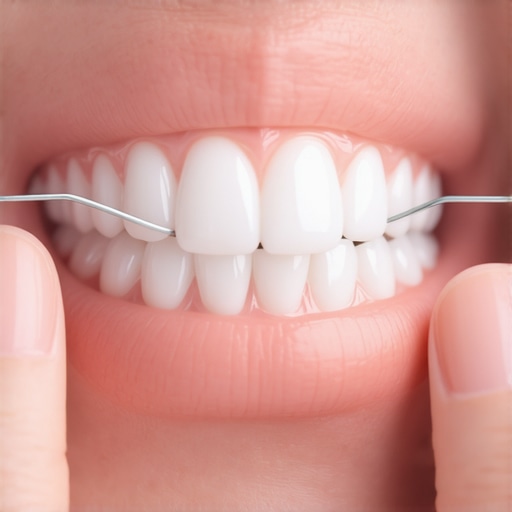
Stop Using a Sawing Motion Immediately
If you find yourself sawing back and forth like you’re trying to cut through a rope, you’re doing it wrong. This motion is a primary cause of gum recession and can even wear down your enamel over time. If the floss won’t go in with a gentle wiggle, don’t force it. Use a mirror and check if there’s a build-up of plaque or if you have a small chip in your tooth catching the thread. When I used to saw, I’d end up with bleeding gums every single night. Now, I wiggle the floss through the contact point and only then start the vertical ‘hug.’
How to Floss When Your Invisalign Makes Gaps Tighter
If you are currently working on a straighter smile, you know the struggle. Your teeth are moving, which means some gaps are opening while others feel like they’ve been glued shut. Following Invisalign maintenance expert tips is crucial here. Sometimes, standard floss just won’t cut it. In these cases, I recommend using a floss threader or even a water flosser to loosen debris before going in with the tape. I’ve had days where my aligners felt so tight that I couldn’t even fit the thinnest PTFE floss between my premolars. On those days, I leaned heavily on my hygienist’s trick of using a water flosser to ensure no food was trapped.
How I Finally Got That Popcorn Kernel Out Without Bleeding
Last month at a movie theater, a piece of popcorn hull wedged itself so deep under my gum line I thought I was going to need an emergency dentist appointment. My old instinct was to dig at it with a fingernail. Instead, I stayed calm. I used the ‘tie a knot’ trick. I took a piece of my slippery PTFE floss, tied a tiny knot in the middle, and pulled the knot through the gap. The extra bulk of the knot caught the edge of the hull and pulled it right out. Knowing how to safely remove a piece of popcorn like that saved me hours of throbbing pain. If your teeth are sensitive, always rinse with warm salt water afterward to calm the area, especially if you’re focusing on teeth cleaning for sensitive teeth.It’s easy to get obsessed with the idea of a ‘deep clean,’ but there’s a nuance most people miss: you can actually clean your way into a dental emergency. I used to think that if my gums didn’t feel a little tingly or ‘raw’ after my routine, I hadn’t done enough. This is a dangerous myth. In reality, over-aggressive maintenance is one of the top teeth cleaning myths debunked by top dentists. When you apply too much pressure, you’re not just removing plaque; you’re literally scrubbing away your enamel. This is the hidden reason your teeth feel thin near the gum line when you brush. Your goal should be to disrupt the biofilm, not to sand down the surface of your smile.
Why do your teeth look yellow even when you have perfect hygiene?
This is the question that drives most people toward expensive whitening treatments, but the answer isn’t always about surface stains. As we age, or as we over-brush with abrasive pastes, our enamel thins out. Enamel is naturally white and translucent, but the dentin underneath is significantly more yellowish. The thinner the enamel becomes, the more that yellow shows through from the inside out. This is the real reason your teeth look yellow in bathroom lighting or even in natural sunlight despite your best efforts. No amount of scrubbing or generic cosmetic dentistry for discolored teeth will fix thinning enamel; in fact, harsh abrasives will make the translucency even worse. A study published in the Journal of Dentistry emphasizes that enamel thickness is the primary factor in tooth ‘value’ and brightness, meaning preservation is more important than bleaching. 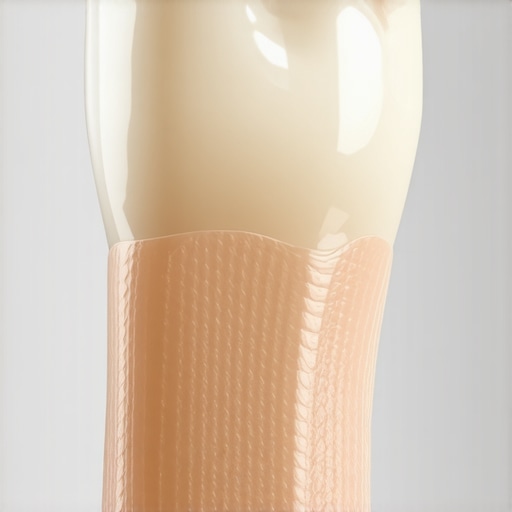
The Dangerous Trap of Over-Whitening Thin Enamel
One of the biggest ‘oops’ factors I see—and one I fell for myself—is the DIY whitening obsession. We see those bright Hollywood smiles and think we need more chemicals to get there. But if you have naturally thin enamel, those whitening strips are just going to cause intense sensitivity and make your teeth look ‘transparent’ at the edges. I’ve seen people wonder why their teeth look shorter than they did ten years ago, and often it’s a combination of acid erosion and over-zealous cleaning that has worn down the biting surfaces. If you’re looking into cosmetic dentistry trends that transform smiles, the best approach is often the most conservative one. Modern teeth cleaning innovations that reduce sensitivity focus on gentle vibrations rather than manual scraping for a reason.
Don’t Let ‘Close Enough’ Ruin Your Invisalign Progress
If you’re currently using clear aligners, you might notice why your Invisalign aligners feel tight every Monday morning or on the first day of a new tray. The trap here is skipping the ‘chewies’ or not wearing them for the full 22 hours, thinking 20 is ‘close enough.’ That tiny 2-hour gap is the difference between a tooth rotating properly and a ‘tracking’ error that adds months to your treatment. This is a common point in Invisalign maintenance expert tips that many people ignore until they see their progress stall. It’s about precision, not just persistence. Have you ever fallen into the trap of thinking ‘harder is better’ when it comes to your teeth? Let me know in the comments.If you’ve stopped scrubbing like a maniac, you’re halfway there. The next step is letting technology do the heavy lifting. I used to think electric toothbrushes were a luxury, but after seeing my dental bills, I realized they’re actually an investment. The first time I used one, I was startled by the sensation—you might even wonder why your jaw feels like it is vibrating when you use an electric toothbrush. That high-frequency pulse is actually working to dislodge plaque via non-contact biofilm disruption. According to a study published in the International Journal of Dental Hygiene, the fluid dynamics created by sonic waves (reaching up to 31,000 strokes per minute) can actually clean areas the bristles don’t even touch. This is the same logic behind why your dental hygienist uses a water flosser instead of manual tools during a deep clean. It’s about efficiency, not force.
Stop Guessing and Switch to Sonic Vibrations
Moving from a manual brush to a sonic one was the single biggest turning point in maintaining your teeth cleaning routine for the long haul. Most people move the brush back and forth, but with sonic tech, you simply hold the head at a 45-degree angle and let the motor vibrate the plaque away. This is essential if you want to avoid how to stop your bottom teeth from crowding as you get older, as plaque buildup is often what triggers the gum inflammation that leads to bone loss and shifting. 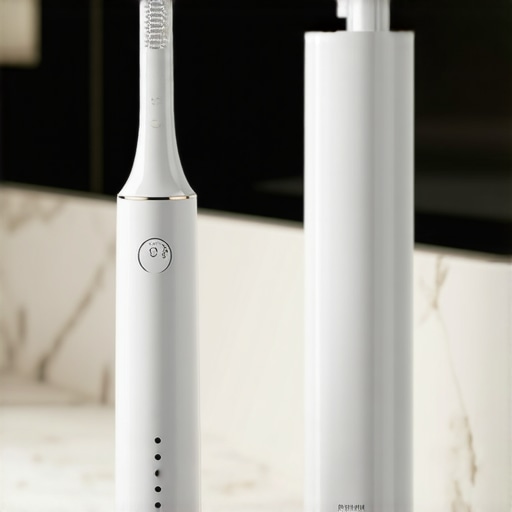
Keep Your Trays from Looking Gross and Cloudy
For those of us using aligners or night guards, the tool kit has to expand. You can’t just use toothpaste on plastic; the abrasives will create micro-scratches that trap bacteria and turn the material yellow. I learned the hard way how to clean the stubborn cloudiness off your night guard using specialized ultrasonic cleaners. These small pods use sound waves to shake loose the minerals from your saliva. If you skip this, you’ll eventually find yourself searching for how to stop your Invisalign trays from smelling like plastic or worse, like old gym socks.
How do I maintain these results for the next decade?
Long-term success isn’t about one-off whitening sessions; it’s about the cumulative effect of low-friction tools. In the next five years, I predict we will see AI-integrated toothbrushes become the standard, using pressure sensors to prevent you from ever over-brushing again. For now, the best thing you can do is switch to a high-quality water flosser and a sonic brush. **Try this specific advanced tip:** Once a week, soak your aligners or retainers in a mixture of one part white vinegar to three parts water for 15 minutes. It dissolves the calcium deposits (tartar) that even professional cleaning tablets sometimes leave behind, keeping your smile clear and your breath fresh.
What I Finally Realized After Decades of Shredded Gums
It took me nearly twenty years to understand that dental health isn’t a test of strength. One of the biggest teeth cleaning myths debunked by top dentists is the idea that if it doesn’t hurt, it isn’t working. I learned that plaque is a living biofilm, not a physical stain that needs to be scrubbed off with brute force. When you realize that you are disrupting a colony of bacteria rather than sanding down a piece of wood, your entire approach shifts from aggression to precision. Another lightbulb moment was discovering that gums don’t just ‘bounce back’; once they recede from traumatic flossing, you’re looking at cosmetic enhancements just to fix the damage you did while trying to be healthy. The cheapest floss in the drugstore often leads to the most expensive chair time, so investing in high-quality materials is actually the most frugal choice you can make for your long-term oral health at any age.
My Daily Arsenal for a Smooth Smile
If you want to stop the shredding cycle, you need tools that prioritize friction reduction. First, I always keep a spool of PTFE (monofilament) tape; its flat, slippery profile is the only thing that reliably navigates crowded molars without snapping. Second, I’ve integrated a water flosser into my nightly routine because there is a very specific reason why your dental hygienist uses a water flosser instead of manual tools for those hard-to-reach areas—it flushes out the debris that physical string simply pushes further in. Finally, I rely on a sonic toothbrush with a built-in pressure sensor. It acts as a constant reminder to let the vibrations do the work, preventing that ‘sawing’ motion that ruined my gums for years.
Take Control of Your Next Appointment
You don’t have to dread the dentist’s chair or feel guilty every time you see a piece of string. By switching to a ‘hug’ technique and using materials designed for tight spaces, you can transform your routine from a chore into a self-care ritual. It’s about building a sustainable teeth cleaning routine that protects your enamel while keeping your gums calm. When you walk into your next checkup, you’ll do so with the confidence that you haven’t just been cleaning your teeth—you’ve been preserving them. Finding a dentist who gets your smile and supports this gentle approach will make all the difference in your journey toward a pain-free, radiant smile. Have you ever had a piece of floss get so stuck that you actually panicked? Let me know your dental ‘stuck’ stories in the comments below!