
I was sitting in a quiet, mid-day meeting last year, leaning in to whisper a quick suggestion to a colleague, when I saw her nose crinkle. Not a ‘that’s a bad idea’ crinkle, but a ‘what is that smell?’ crinkle. I’d brushed that morning. I’d even used a mint. But as I caught a whiff of my own breath reflecting off my hand, I realized it didn’t smell like coffee or onions. It smelled exactly like a trunk of old winter coats. It smelled like mothballs. I was mortified. [image_placeholder]
That Awful Attic Scent Is Not Just in Your Head
I learned the hard way that that mothball scent is often caused by a compound called indole, produced by bacteria as they break down proteins. I initially made the huge mistake of thinking I just needed to scrub harder. I bought the stiffest toothbrush I could find and went to town. Big mistake. Hard bristles actually irritated my gums and did absolutely nothing for the odor. According to the Cleveland Clinic, these specific odors can be a byproduct of your body processing proteins or a sign of a sinus issue rather than just a lack of hygiene.
Is This Just Another Way to Sell Me Expensive Mouthwash?
You might be skeptical, thinking you’ve tried every rinse on the shelf. I certainly did. But the fix isn’t usually a fancy bottle of blue liquid. We are going to look at the digestive and bacterial reasons why this happens and how a few simple tweaks to your daily oral health routine can clear the air for good. Have you ever had that moment where you realized your breath smelled more like a closet than a human mouth?
Stop Over-Brushing and Start Target-Cleaning
When I first noticed the smell, I started using a tongue scraper religiously. But even then, my breath still did not improve because I was ignoring the chemistry behind the scent. The mothball smell is unique. It’s often a sign that there’s an overgrowth of certain anaerobic bacteria hiding in the deep crevices of the tongue or even tucked away in tonsil stones. If you’re dealing with this, you aren’t alone, and you aren’t ‘gross.’ It is just a biological hiccup we need to balance out with the right strategy.Since we established that mothball breath is often a chemical byproduct of anaerobic bacteria, you have to treat your mouth like a high-maintenance garden rather than a dirty floor. You don’t just mop it; you have to prune the specific areas where these weeds grow.
Hunt Down the Anaerobic Hideouts
Anaerobic bacteria hate oxygen. They thrive in the places your toothbrush can’t reach, like the very back of your tongue or deep between teeth. I used to think a quick swish of water was enough, but it’s really about mechanical disruption. You need to reach the sulfur zone at the very back of the tongue. I remember once trying to use a spoon because I’d lost my scraper on a trip; it was awkward, but it taught me that the pressure and angle matter more than the tool itself. However, if you are wearing aligners, you have to be even more diligent. You might need to learn how to stop your invisalign trays from smelling like plastic because those trays can trap the exact same bacteria against your teeth for 22 hours a day.
Why Dry Mouth Is a Breath Killer
Think of saliva as a constant, gentle pressure wash for your teeth. When your mouth gets dry—whether from caffeine, stress, or sleeping with your mouth open—the river stops flowing. The stagnant environment is where that mothball scent intensifies. I noticed my breath was worst during long afternoon stretches at work when I was living on espresso and forgetting water. Increasing my water intake wasn’t just about hydration; it was about keeping the pH levels balanced. If you’re struggling with this while undergoing orthodontic work, you should check out these invisalign maintenance expert tips for clear confident smiles to ensure your saliva can still do its job around the plastic. #IMAGE_PLACE_HOLDER_B#
Check for Tonsil Stones with a Flashlight
This was the epiphany for me. If you’ve cleaned your teeth and tongue and the smell persists, you might have tonsil stones. These are little calcified clumps of food and bacteria that get stuck in the crypts of your tonsils. They smell exactly like concentrated mothballs. I spent twenty minutes in front of a mirror with a flashlight and a cotton swab once, and when I finally dislodged one, the smell vanished almost instantly. It’s a bit gross, but highly effective. It is often the missing piece for people who have perfect dental hygiene but still struggle with an odd odor.
Get a Professional Deep Clean
Sometimes, the bacteria have set up a fortress in the form of tartar that you simply cannot brush away. This is where modern teeth cleaning innovations that reduce sensitivity and boost results come into play. A hygienist can reach the pockets under the gum line that are physically impossible for you to hit at home. If you haven’t been in a while, you’ll likely find that why your gums feel sore after a cleaning when they usually dont is simply because they are finally clearing out those deep-seated bacterial colonies that cause that persistent attic-like scent.People often assume that if their teeth are white, their mouth must be healthy. This is perhaps the biggest ‘oops’ in modern dental care. I fell for it too, thinking that as long as I followed the ultimate guide to teeth whitening and cosmetic enhancements, the underlying issues would just vanish. But here is the contrarian truth: you can have a blindingly white smile and still harbor a bacterial colony that smells like a damp basement. Most people treat the surface, but they ignore the biofilm architecture.
Why Your ‘Perfect’ Brushing Routine Is Failing You
We’ve been told since kindergarten that brushing twice a day is the golden ticket. However, according to a study published in the Journal of Clinical Periodontology, biofilm—the sticky community of bacteria on your teeth—can begin to reorganize into a complex, odor-producing structure within just hours of a professional cleaning. If you aren’t disrupting that biofilm specifically in the ‘sulfur zones,’ your expensive toothbrush is just a glorified polishing tool. This is one of the many teeth cleaning myths debunked by top dentists; cleanliness isn’t just about the absence of food particles, it’s about managing the microbial balance. #IMAGE_PLACE_HOLDER_C#
The Hidden Trap of Thinking Invisalign Is Only for Vanity
I used to think of clear aligners as a purely aesthetic choice—something for people who wanted to look better in photos. But there is a massive functional nuance here that people miss. When your teeth are even slightly crowded, they create micro-pockets that are physically impossible to reach with floss. These pockets are the primary breeding grounds for the anaerobic bacteria that produce that mothball scent. By looking into invisalign vs traditional braces which is smarter for your lifestyle, you aren’t just buying a straighter smile; you are effectively removing the ‘apartments’ where bad-breath bacteria live rent-free.
Why Does My Breath Still Smell Metallic After a Deep Cleaning?
This is a sophisticated question that many patients ask when they don’t get the immediate ‘fresh’ result they expected. Sometimes, the process of removing deep-seated tartar releases accumulated byproducts, or it could be related to how your gums are healing. It’s important to know how to stop the metallic taste in your mouth after a deep cleaning because that sensation is often a sign that the pH of your mouth is still stabilizing.
Don’t Let Your Cosmetic Goals Mask Functional Failures
Another common mistake is choosing treatments like veneers or bonding to hide discoloration without addressing why the discoloration—or the odor—started in the first place. You need to look past the surface and understand cosmetic dentistry myths debunked: what you really need to know. A truly healthy mouth doesn’t just look like a Hollywood smile; it functions as a balanced ecosystem where oxygen-hating bacteria can’t survive. Have you ever fallen into the trap of thinking white teeth meant a healthy mouth? Let me know in the comments.
Upgrade Your Morning with a High-Pressure Water Flosser
Once I understood the biology of the ‘mothball breath,’ I stopped treating my mouth like a simple surface and started treating it like a complex irrigation project. I personally swear by a cordless water flosser. Why? Because the physical friction of string floss often misses the concave areas between back molars where anaerobic bacteria thrive. When I started using a water jet, I noticed that why your dental hygienist uses a water flosser instead of manual tools makes perfect sense; it is about that high-velocity disruption of the biofilm. If you are not using one, you are essentially leaving a thin layer of ‘mothball sludge’ in every gap. This mechanical disruption is the only way to keep the odor-producing colonies from taking root.
Stop Scrubbing Your Aligners with a Toothbrush
If you are on an Invisalign journey, you have probably tried scrubbing your trays with a spare toothbrush and some paste. Stop doing that immediately. You are creating micro-scratches in the plastic that act as luxury apartments for odor-causing bacteria. I transitioned to using a small ultrasonic cleaner—the same kind used for jewelry—and it was a total game changer. It vibrates the bacteria right off the surface without any abrasive damage. This is a crucial part of how to stop your invisalign trays from smelling like plastic. If you also wear a retainer or a bite guard, you can use the same method for how to clean your night guard without turning it yellow. It is about being smarter, not harder, with your maintenance tools.
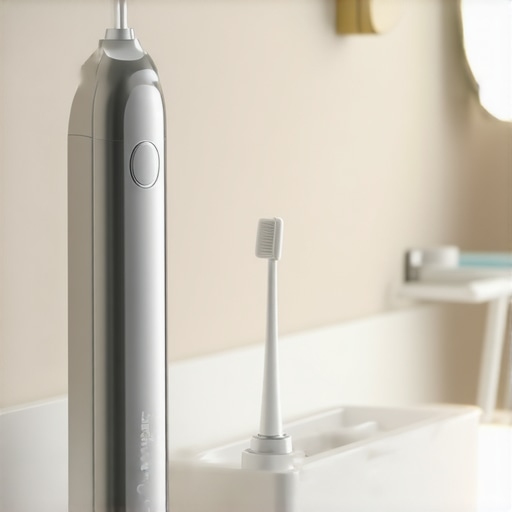
How do I maintain my oral ecosystem over time?
Maintenance is not a weekend project; it is a lifestyle shift. Dr. Gordon Christensen, a world-renowned clinical dentist and expert in dental materials, has often highlighted that manual cleaning can miss up to 35% of tooth surfaces. To counter this, I focus on ‘active maintenance.’ This means scheduling your professional visits not just when something hurts, but to reset the bacterial clock. By maintaining your teeth cleaning routine for long-term health, you prevent that indole compound from ever reaching the concentration needed to produce that attic scent. It is much easier to keep the bacteria at bay than it is to evict them once they have moved in. If you are looking for a partner in this, choosing the right dentist expert tips for your best smile journey can help you find a professional who understands the chemistry of breath, not just the mechanics of teeth.
The Future Is Salivary Testing and AI Brushes
We are moving toward a world where oral care is personalized through biological data. Within the next decade, I predict we will see smart toothbrushes that analyze your saliva in real-time to detect shifts in your microbiome before you even smell a problem. We will stop guessing and start knowing exactly which strain of bacteria is causing that mothball scent. Until then, my advanced tip for you is this: switch to a tongue scraper made of surgical-grade stainless steel instead of plastic, and use it at a 45-degree angle twice daily. Try it tomorrow morning—you will be shocked at the film you have been leaving behind even after brushing.
I was sitting in a quiet, mid-day meeting last year, leaning in to whisper a quick suggestion to a colleague, when I saw her nose crinkle. Not a ‘that’s a bad idea’ crinkle, but a ‘what is that smell?’ crinkle. I’d brushed that morning. I’d even used a mint. But as I caught a whiff of my own breath reflecting off my hand, I realized it didn’t smell like coffee or onions. It smelled exactly like a trunk of old winter coats. It smelled like mothballs. I was mortified. [image_placeholder]
That Awful Attic Scent Is Not Just in Your Head
I learned the hard way that that mothball scent is often caused by a compound called indole, produced by bacteria as they break down proteins. I initially made the huge mistake of thinking I just needed to scrub harder. I bought the stiffest toothbrush I could find and went to town. Big mistake. Hard bristles actually irritated my gums and did absolutely nothing for the odor. According to the Cleveland Clinic, these specific odors can be a byproduct of your body processing proteins or a sign of a sinus issue rather than just a lack of hygiene.
Is This Just Another Way to Sell Me Expensive Mouthwash?
You might be skeptical, thinking you’ve tried every rinse on the shelf. I certainly did. But the fix isn’t usually a fancy bottle of blue liquid. We are going to look at the digestive and bacterial reasons why this happens and how a few simple tweaks to your daily oral health routine can clear the air for good. Have you ever had that moment where you realized your breath smelled more like a closet than a human mouth?
Stop Over-Brushing and Start Target-Cleaning
When I first noticed the smell, I started using a tongue scraper religiously. But even then, my breath still did not improve because I was ignoring the chemistry behind the scent. The mothball smell is unique. It’s often a sign that there’s an overgrowth of certain anaerobic bacteria hiding in the deep crevices of the tongue or even tucked away in tonsil stones. If you’re dealing with this, you aren’t alone, and you aren’t ‘gross.’ It is just a biological hiccup we need to balance out with the right strategy.Since we established that mothball breath is often a chemical byproduct of anaerobic bacteria, you have to treat your mouth like a high-maintenance garden rather than a dirty floor. You don’t just mop it; you have to prune the specific areas where these weeds grow.
Hunt Down the Anaerobic Hideouts
Anaerobic bacteria hate oxygen. They thrive in the places your toothbrush can’t reach, like the very back of your tongue or deep between teeth. I used to think a quick swish of water was enough, but it’s really about mechanical disruption. You need to reach the sulfur zone at the very back of the tongue. I remember once trying to use a spoon because I’d lost my scraper on a trip; it was awkward, but it taught me that the pressure and angle matter more than the tool itself. However, if you are wearing aligners, you have to be even more diligent. You might need to learn how to stop your invisalign trays from smelling like plastic because those trays can trap the exact same bacteria against your teeth for 22 hours a day.
Why Dry Mouth Is a Breath Killer
Think of saliva as a constant, gentle pressure wash for your teeth. When your mouth gets dry—whether from caffeine, stress, or sleeping with your mouth open—the river stops flowing. The stagnant environment is where that mothball scent intensifies. I noticed my breath was worst during long afternoon stretches at work when I was living on espresso and forgetting water. Increasing my water intake wasn’t just about hydration; it was about keeping the pH levels balanced. If you’re struggling with this while undergoing orthodontic work, you should check out these invisalign maintenance expert tips for clear confident smiles to ensure your saliva can still do its job around the plastic. #IMAGE_PLACE_HOLDER_B#
Check for Tonsil Stones with a Flashlight
This was the epiphany for me. If you’ve cleaned your teeth and tongue and the smell persists, you might have tonsil stones. These are little calcified clumps of food and bacteria that get stuck in the crypts of your tonsils. They smell exactly like concentrated mothballs. I spent twenty minutes in front of a mirror with a flashlight and a cotton swab once, and when I finally dislodged one, the smell vanished almost instantly. It’s a bit gross, but highly effective. It is often the missing piece for people who have perfect dental hygiene but still struggle with an odd odor.
Get a Professional Deep Clean
Sometimes, the bacteria have set up a fortress in the form of tartar that you simply cannot brush away. This is where modern teeth cleaning innovations that reduce sensitivity and boost results come into play. A hygienist can reach the pockets under the gum line that are physically impossible for you to hit at home. If you haven’t been in a while, you’ll likely find that why your gums feel sore after a cleaning when they usually dont is simply because they are finally clearing out those deep-seated bacterial colonies that cause that persistent attic-like scent.People often assume that if their teeth are white, their mouth must be healthy. This is perhaps the biggest ‘oops’ in modern dental care. I fell for it too, thinking that as long as I followed the ultimate guide to teeth whitening and cosmetic enhancements, the underlying issues would just vanish. But here is the contrarian truth: you can have a blindingly white smile and still harbor a bacterial colony that smells like a damp basement. Most people treat the surface, but they ignore the biofilm architecture.
Why Your ‘Perfect’ Brushing Routine Is Failing You
We’ve been told since kindergarten that brushing twice a day is the golden ticket. However, according to a study published in the Journal of Clinical Periodontology, biofilm—the sticky community of bacteria on your teeth—can begin to reorganize into a complex, odor-producing structure within just hours of a professional cleaning. If you aren’t disrupting that biofilm specifically in the ‘sulfur zones,’ your expensive toothbrush is just a glorified polishing tool. This is one of the many teeth cleaning myths debunked by top dentists; cleanliness isn’t just about the absence of food particles, it’s about managing the microbial balance. #IMAGE_PLACE_HOLDER_C#
The Hidden Trap of Thinking Invisalign Is Only for Vanity
I used to think of clear aligners as a purely aesthetic choice—something for people who wanted to look better in photos. But there is a massive functional nuance here that people miss. When your teeth are even slightly crowded, they create micro-pockets that are physically impossible to reach with floss. These pockets are the primary breeding grounds for the anaerobic bacteria that produce that mothball scent. By looking into invisalign vs traditional braces which is smarter for your lifestyle, you aren’t just buying a straighter smile; you are effectively removing the ‘apartments’ where bad-breath bacteria live rent-free.
Why Does My Breath Still Smell Metallic After a Deep Cleaning?
This is a sophisticated question that many patients ask when they don’t get the immediate ‘fresh’ result they expected. Sometimes, the process of removing deep-seated tartar releases accumulated byproducts, or it could be related to how your gums are healing. It’s important to know how to stop the metallic taste in your mouth after a deep cleaning because that sensation is often a sign that the pH of your mouth is still stabilizing.
Don’t Let Your Cosmetic Goals Mask Functional Failures
Another common mistake is choosing treatments like veneers or bonding to hide discoloration without addressing why the discoloration—or the odor—started in the first place. You need to look past the surface and understand cosmetic dentistry myths debunked: what you really need to know. A truly healthy mouth doesn’t just look like a Hollywood smile; it functions as a balanced ecosystem where oxygen-hating bacteria can’t survive. Have you ever fallen into the trap of thinking white teeth meant a healthy mouth? Let me know in the comments.
Upgrade Your Morning with a High-Pressure Water Flosser
Once I understood the biology of the ‘mothball breath,’ I stopped treating my mouth like a simple surface and started treating it like a complex irrigation project. I personally swear by a cordless water flosser. Why? Because the physical friction of string floss often misses the concave areas between back molars where anaerobic bacteria thrive. When I started using a water jet, I noticed that why your dental hygienist uses a water flosser instead of manual tools makes perfect sense; it is about that high-velocity disruption of the biofilm. If you are not using one, you are essentially leaving a thin layer of ‘mothball sludge’ in every gap. This mechanical disruption is the only way to keep the odor-producing colonies from taking root.
Stop Scrubbing Your Aligners with a Toothbrush
If you are on an Invisalign journey, you have probably tried scrubbing your trays with a spare toothbrush and some paste. Stop doing that immediately. You are creating micro-scratches in the plastic that act as luxury apartments for odor-causing bacteria. I transitioned to using a small ultrasonic cleaner—the same kind used for jewelry—and it was a total game changer. It vibrates the bacteria right off the surface without any abrasive damage. This is a crucial part of how to stop your invisalign trays from smelling like plastic. If you also wear a retainer or a bite guard, you can use the same method for how to clean your night guard without turning it yellow. It is about being smarter, not harder, with your maintenance tools.
How do I maintain my oral ecosystem over time?
Maintenance is not a weekend project; it is a lifestyle shift. Dr. Gordon Christensen, a world-renowned clinical dentist and expert in dental materials, has often highlighted that manual cleaning can miss up to 35% of tooth surfaces. To counter this, I focus on ‘active maintenance.’ This means scheduling your professional visits not just when something hurts, but to reset the bacterial clock. By maintaining your teeth cleaning routine for long-term health, you prevent that indole compound from ever reaching the concentration needed to produce that attic scent. It is much easier to keep the bacteria at bay than it is to evict them once they have moved in. If you are looking for a partner in this, choosing the right dentist expert tips for your best smile journey can help you find a professional who understands the chemistry of breath, not just the mechanics of teeth.
The Future Is Salivary Testing and AI Brushes
We are moving toward a world where oral care is personalized through biological data. Within the next decade, I predict we will see smart toothbrushes that analyze your saliva in real-time to detect shifts in your microbiome before you even smell a problem. We will stop guessing and start knowing exactly which strain of bacteria is causing that mothball scent. Until then, my advanced tip for you is this: switch to a tongue scraper made of surgical-grade stainless steel instead of plastic, and use it at a 45-degree angle twice daily. Try it tomorrow morning—you will be shocked at the film you have been leaving behind even after brushing.
The Breakthrough Realizations That Finally Ended My Breath Anxiety
Reflecting on my own journey through the shame of bad breath, I realized that white teeth do not always equal a healthy ecosystem. I spent years assuming my hygiene was the problem, when the real issue was a lack of oxygen in the deep crevices of my mouth. One major lightbulb moment was discovering that why your breath smells like mothballs and the simple fix often lies in disrupting hidden tonsil stones rather than just buying more mints. If you have a unique oral landscape, you might even need to learn the specific way to clean your tongue if you have a geographic pattern to see results. I finally learned to trust biology over marketing, and that made all the difference.
My Handpicked Arsenal for a Healthy Oral Ecosystem
I don’t believe in cluttering your bathroom counter, but these specific tools changed the game for me. First, a surgical-grade stainless steel tongue scraper is non-negotiable for removing the sulfur-producing biofilm. Second, a high-velocity water flosser reaches where string simply cannot. For those currently improving their alignment, watching invisalign success stories: real patients, real transformations can show you how others managed their hygiene during treatment. Finally, choosing the best invisalign options for your lifestyle ensures you have a system you can actually maintain, preventing that mothball odor from returning between professional cleanings.
Reclaim Your Confidence in Every Close-Up Interaction
You no longer have to hide your smile or turn your head during an important conversation. By understanding that this odor is just a biological signal that your mouth needs more oxygen and mechanical disruption, you can take control. Start small—grab a flashlight tonight or invest in that water flosser tomorrow. Fresh breath is a byproduct of a balanced mouth, and now you have the blueprint to achieve it. Your social life and your health will thank you. Have you ever discovered a hidden cause like tonsil stones or dry mouth that was secretly affecting your breath? Let me know in the comments below!