
I remember the exact moment I realized my new dental bridge felt less like a medical miracle and more like I was carrying a small, porcelain paperweight on my gums. I was sitting at a quiet Italian bistro, trying to look sophisticated, but all I could focus on was this bizarre sensation that one side of my jaw was literally sinking. I had spent weeks researching various cosmetic enhancements, yet no one had warned me about the initial ‘heavy’ phase. It felt foreign, blocky, and honestly, a bit alarming. My first thought? I had made a huge mistake and my jaw would never feel light again. But here is the thing: that sensation is actually a sign of your body doing exactly what it is supposed to do. Today, I want to share the reality of those first 72 hours and help you differentiate between normal adaptation and a bridge that actually needs a professional adjustment. Have you ever felt like your new dental work was just a bit too ‘present’ in your mouth? Let me know if you are currently in that clunky phase.
How I Survived the Heavy Mouth Syndrome
I once made the major mistake of thinking my dental bridge felt heavy simply because it was physically too large for my mouth. I spent an entire weekend obsessively poking at it with my tongue, convinced I would need to have the whole thing ripped out and started over. I even worried if I would ever master the trick to flossing under a permanent dental bridge before I was even comfortable enough to close my jaw. It turns out, I was just being impatient and a little bit dramatic. The first few days are all about your brain recalibrating its internal ‘map’ of your mouth. When you have had a gap for a while, your tongue and cheeks get used to that empty space; when a bridge fills it, your sensory nerves go into overdrive. I remember biting down on a piece of sourdough and feeling like I was crushing a stone. It was not pain, exactly, just an overwhelming awareness of the new hardware. Most patients do not realize that their brain is actually trying to reject the ‘newness’ of the object rather than the object itself.
Is this weighted-blanket feeling for your gums actually normal?
It really is, and there is a fascinating biological reason for it. Research from the Journal of Oral Rehabilitation indicates that the human mouth is sensitive enough to detect objects as thin as 10 to 20 microns—that is about one-tenth the thickness of a single human hair. When you introduce a solid porcelain or ceramic structure, your periodontal ligaments are suddenly under a completely new kind of pressure. This creates a persistent sensation of ‘fullness’ or ‘weight’ that can be quite jarring for the uninitiated. It is not necessarily that the bridge is heavy in grams; it is that your nerves are screaming about the new tenant in the neighborhood. Choosing the right dentist helps ensure the mechanical fit is perfect, but even the best work feels like a brick for a little while. If you are also hearing a clicking sound when you chew, that might be a different story involving the bite alignment, but the sheer sense of weight? That is usually just your brain getting its bearings. We are going to dive into how to speed up that ‘forgetting’ process and what steps you can take tonight to feel more like yourself again.The fastest way to get over that weighted sensation is to stop treating your new bridge like a fragile artifact. Think of it like a new pair of leather boots; they feel stiff and heavy at first, but the more you move in them, the faster they break in. I found that the heavy mouth syndrome peaked when I stayed too still. Your nerves are looking for something to complain about, and a new porcelain structure is the perfect target.
How to Help Your Brain Ignore the Bridge
To speed up the process, you have to actively desensitize the area. I noticed that when I was distracted by work or a movie, the brick in my mouth seemingly disappeared. The moment I focused on it, it felt like it weighed five pounds. This is why many patients feel the sensation is worse at night. Using modern teeth cleaning innovations like water flossers can provide a gentle massage to the gums that helps recalibrate those nerves faster than just waiting around.
Adopt a Temporary Soft Food Protocol
For the first forty-eight hours, I strictly adhered to a no-crunch zone. I once tried to power through a bowl of granola on day two and felt like my entire jaw was vibrating. By switching to smoothies and mashed pasta, I gave those sensitive periodontal ligaments a break from heavy mechanical loading. This allows the initial microscopic inflammation around the abutment teeth to subside. If you are struggling with a lingering ache during this time, look into teeth cleaning for sensitive teeth techniques that can be adapted for new restorations. 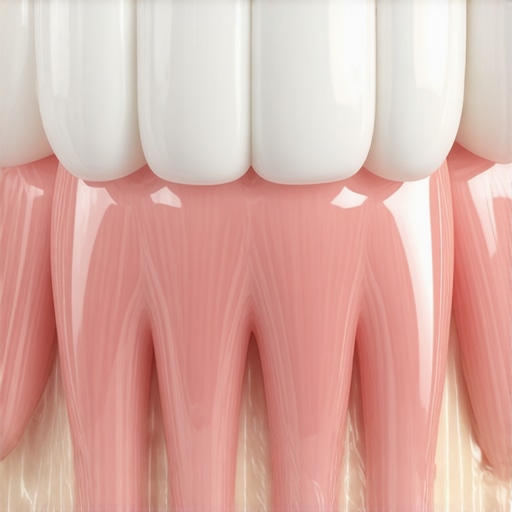
Master the Saltwater Reset
On my third night, my gums felt itchy and tight, contributing to that heavy, crowded feeling. I used the salt water rinse secret to soothe the soft tissue. A simple teaspoon of salt in warm water helps draw out excess fluid from the gums through osmosis. When your gums are less swollen, the bridge physically feels less squeezed into place, which immediately lightens the sensory load on your brain.
Perform the High Spot Test
Sometimes, heavy actually means high. If one part of the bridge is hitting your opposite teeth even a fraction of a millimeter too early, it sends a constant signal to your brain that something is wrong. I tested this by tapping my teeth together very lightly while sitting upright. If you feel a sharp contact on the bridge before any other tooth touches, you might need a professional bite adjustment. This is different from the sharp pain when you drink room temperature water, which is usually a nerve sensitivity issue rather than a mechanical one.
Optimize Your Daily Hygiene Early
The build-up of plaque or tiny bits of food around the margins can make a bridge feel tighter or more present. I made the mistake of avoiding the area entirely because I was scared to move it. Instead, you should focus on maintaining your teeth cleaning routine with extreme precision. Use a soft-bristled brush to gently massage the gum line. If you are finding traditional floss difficult, look for floss that doesn’t snap between tight teeth to ensure you are not tugging on the restoration while keeping the area immaculate. Keeping the surrounding tissue healthy prevents the full feeling caused by localized swelling.I see it all the time: patients treat their new dental work like it is made of spun sugar. One of the biggest myths in the ultimate guide to teeth whitening and cosmetic enhancements is the idea that ‘cosmetic’ equals ‘fragile.’ In reality, the high-grade zirconia or lithium disilicate used in modern restorations is engineered to withstand hundreds of pounds of pressure. If you are avoiding solid foods because your bridge feels ‘heavy,’ you are actually delaying your brain’s ability to habituate. The real secret to cosmetic dentistry insights is that your mouth needs functional input to stop sending those ‘foreign object’ alarms to your nervous system.
Stop Waiting for the Heaviness to Vanish on Its Own
Most people assume that if a bridge feels bulky, the only solution is for the dentist to grind it down. This is the ‘Oops’ factor that leads many to unnecessary adjustments. If you rush back to the office for a shave-down before the 72-hour mark, you might end up with a ‘low’ spot that ruins your bite balance once the initial swelling subsides. I once had a patient who insisted on three adjustments in four days, only to find that once her gums fully healed, she had a gap in her bite that required a whole new restoration. This is why choosing the right dentist is about finding someone who knows when to say ‘wait’ rather than just reaching for the drill.
Could Your Bridge Feeling Heavy Actually Be a Proprioception Glitch?
It is highly likely. Proprioception is your body’s ability to sense its own position in space. Your teeth are suspended in the bone by the periodontal ligament (PDL), which is packed with mechanoreceptors. A study published in the International Journal of Prosthodontics highlights that when multiple teeth are joined—as they are in a bridge—the PDL receptors are ‘cross-wired,’ leading to a sensation of dullness or weight. This isn’t a physical weight issue; it is a sensory data conflict. It is a similar sensation to why your invisalign aligners feel tight every monday morning; your teeth are moving into a new mechanical reality and the nerves are simply playing catch-up. 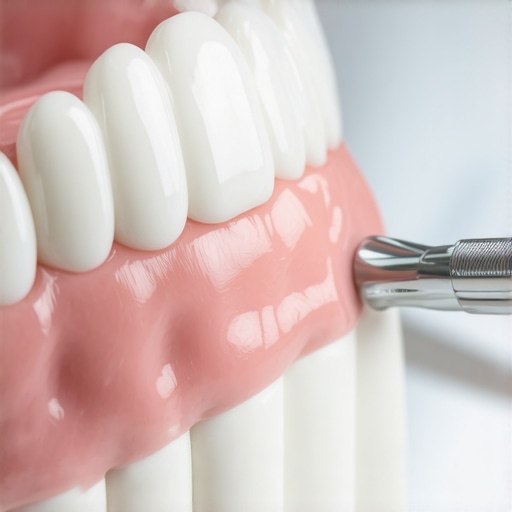
The Hidden Trap of Over-Cleaning Your New Restoration
While you want to keep the area pristine, there is a nuance most people miss: aggressive scrubbing can actually increase the heavy sensation. When you over-work the gums around a new bridge or implant, you trigger localized vasodilation—increased blood flow that makes the tissue slightly ‘plumper.’ This makes the bridge feel tighter and heavier. Instead of scrubbing, you should look into teeth cleaning myths debunked by top dentists to understand that gentle, effective biofilm removal is better than brute force. Even when managing teeth cleaning for sensitive teeth, the goal is to reduce inflammation, not create more. Have you ever fallen into the trap of obsessively cleaning a new dental work only to make it feel more sore? Let me know in the comments. We need to remember that cosmetic dentistry myths often lead us to treat our mouths with too much anxiety. Trust the engineering, follow a proper teeth cleaning routine, and give your brain the week it needs to turn that ‘brick’ back into a ‘tooth.’Once that initial heavy sensation fades, the real work begins: the long game. I used to think a bridge was a ‘set it and forget it’ situation, but I was wrong. If you want to avoid those annoying issues I mentioned earlier, you need to treat your restoration like a piece of high-end machinery rather than just a replacement tooth. I personally swear by the three-stage threader floss method. Why? Because the stiffened end allows you to pilot through the tiny gap under the pontic without shredding the thread or irritating your gums. If that feels too tedious for your nightly routine, I recommend investing in a high-end water flosser with a specialized orthodontic tip. These modern teeth cleaning innovations are the literal difference between a bridge that lasts five years and one that lasts twenty. As Dr. Gordon J. Christensen from the Clinicians Report Foundation often emphasizes, the longevity of fixed prostheses is dictated less by the material and more by the integrity of the marginal seal. If plaque builds up at that tiny seam where the porcelain meets your natural tooth, the entire structure is at risk. This is why maintaining your teeth cleaning routine with precision-engineered tools isn’t just about aesthetics; it is about protecting a significant financial and physical investment.
How can I keep my new bridge and gums healthy over the long haul?
The secret is a combination of mechanical cleaning and chemical prevention. I use an alkaline mouthwash specifically designed to neutralize acids that could weaken the cement bond over time. Additionally, I suggest incorporating teeth cleaning secrets like using interdental brushes that are sized specifically for your unique gaps. Most people grab the first size they see at the pharmacy, but using a brush that is too small won’t actually clear the debris. You need a snug fit to physically sweep the bacteria away. 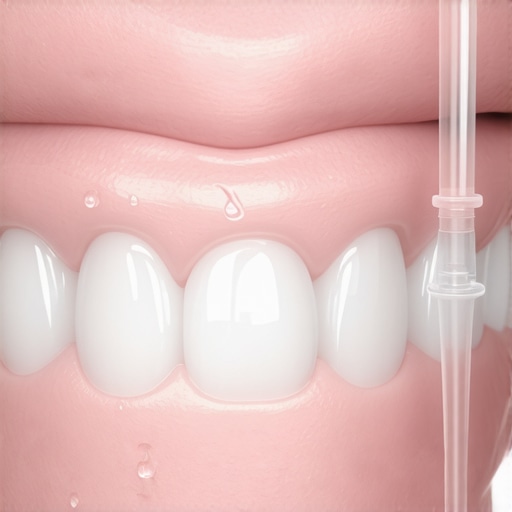 Looking toward the future, I predict that by late 2025, we will see a massive shift toward AI-integrated home monitoring. We are already seeing the beginnings of this in cosmetic dentistry trends that transform smiles today, where smartphone-connected cameras allow patients to send high-resolution photos of their dental work directly to their clinic for a ‘virtual margin check.’ This level of oversight will make the ‘surprise’ bridge failure a thing of the past. If you are currently wearing aligners while managing other dental work, remember that invisalign maintenance expert tips can often be applied to bridges as well, especially regarding the prevention of bacteria traps. I encourage you to try one advanced tip tonight: use an interdental brush dipped in a tiny drop of fluoride gel to clean the underside of your bridge. It provides a localized ‘shield’ for the abutment teeth that a standard toothbrush simply cannot reach.
The Three Realities of New Restorations I Learned the Hard Way
I realized that my tongue is actually a tiny detective; it won’t stop investigating a new bridge until I force it to focus elsewhere. Also, that heavy sensation is often just microscopic inflammation that hides the true fit of the porcelain during those first few nights. Don’t fall for cosmetic dentistry myths that suggest your new teeth should feel like clouds the second the cement dries. Finally, I learned that speech patterns adjust significantly faster if you read out loud for ten minutes every evening; it forces the brain to map the new tooth position relative to your lips and tongue much more effectively than passive waiting.
Tools That Saved My Sanity During Recovery
I personally recommend the GUM Proxabrush Go-Betweens for those tricky gaps where standard floss might struggle or shred against the new margins. I also rely on the Waterpik Aquarius because it provides a gentle massage that actually helps the gums settle around the restoration without the trauma of manual scraping. To keep the area healthy without causing irritation, you should focus on maintaining your teeth cleaning routine with extra-soft bristles and a light touch. Lastly, avoid the common teeth cleaning myths debunked by top dentists that suggest you need to scrub harder to keep a bridge clean—gentle precision and consistency are always the winners. #IMAGE_PLACEHOLDER_E#
Your Future Smile is Worth the 72-Hour Struggle
Taking the leap into a new restoration is a significant milestone, but you have already completed the most difficult part of the journey. By choosing the right dentist, you have ensured that the mechanical foundation of your smile is solid and the fit is anatomically precise. Now, it is simply a matter of letting your nervous system catch up to your new physical reality. Before you know it, you will stop thinking about the bridge entirely and just enjoy the functional confidence that comes with high-quality cosmetic dentistry. Have you ever felt like your new dental work was taking up way too much room in your mouth, or did it feel natural to you right away? Let me know below.